Wiring Bacteria: Engineering Microbial Networks for a Bioenergy Revolution
Harnessing the power of microbial electron transfer to create sustainable energy solutions
The Power of Microbial Conversations
Imagine a world where wastewater treatment plants power our cities, where biofuel production is supercharged by microscopic engineers, and where clean energy is harvested from the simplest forms of life.
This is not science fiction; it is the promise of engineering electron transfer among bacteria. At the heart of this revolution are electroactive bacteria, unique microorganisms capable of "breathing" metals and other solid surfaces by transferring electrons across their cell membranes. By learning to rewire these natural microbial networks, scientists are pioneering new ways to generate bioelectricity and create next-generation biofuels with unprecedented efficiency.
Bioelectricity
Harnessing microbial electron transfer to generate electricity from organic waste.
Biofuels
Engineering bacteria to produce sustainable, high-energy-density fuels.
The Silent Language of Bacteria: What is Extracellular Electron Transfer?
To understand how we can engineer bacteria for bioenergy, we first need to understand how they naturally share electricity.
In most living cells, the process of respiration involves shuffling electrons internally to generate energy. However, a remarkable group of microbes, known as electroactive bacteria, performs Extracellular Electron Transfer (EET)—they can push electrons out of their cells and onto external surfaces 2 3 .

Molecular Shuttles
Other bacteria, such as Shewanella oneidensis, secrete soluble electron shuttles like flavins. These molecules act as tiny ferries, picking up electrons from the cell, transporting them through the environment, and dropping them off at a distant terminal 3 6 .
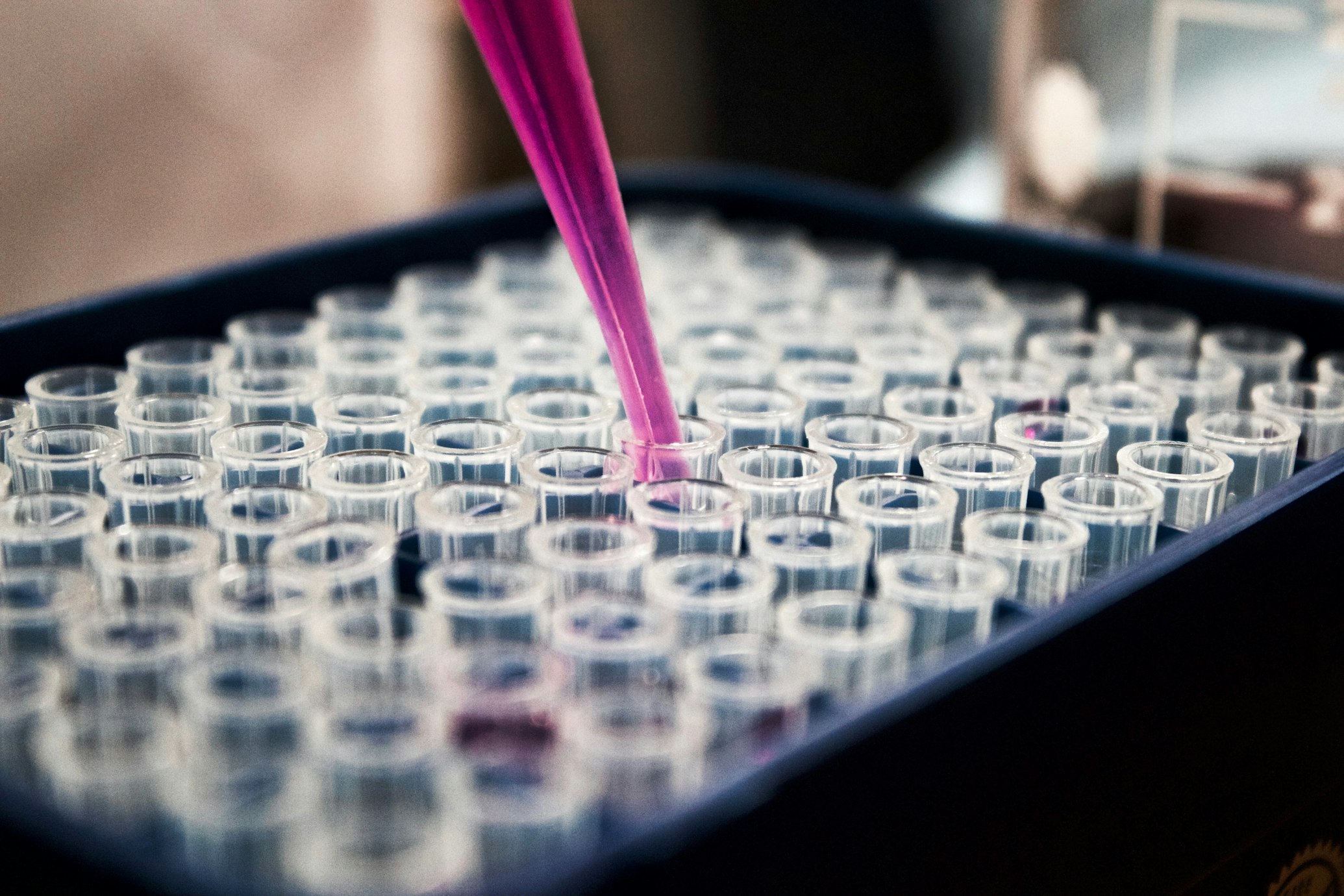
Conceptual representation of electron shuttle molecules
"This ability to export electrons is the foundational principle behind technologies like Microbial Fuel Cells (MFCs), which can generate electricity from organic waste in wastewater 8 . By engineering these natural EET pathways, we can dramatically enhance the power output and efficiency of these biotechnologies."
Supercharging Nature: How Scientists Are Engineering Electron Transfer
Recent advances in synthetic biology and materials science have given researchers a powerful toolkit to enhance EET. These approaches work both on the microbes themselves and on the environment they inhabit.
Genetic Engineering: Rewiring Microbial Circuits
Scientists can genetically modify bacteria to make them more electro-active. Key strategies include 1 7 :
Overproducing Nanowires
By modifying genes responsible for pilin (the protein that makes up nanowires), researchers can enhance the conductivity and density of these microbial wires, leading to more efficient electron transport 9 .
Amplifying Electron Shuttles
Engineering bacteria to overproduce and secrete electron shuttle molecules, such as riboflavin, can significantly boost the rate of electron transfer to electrodes 3 .
Pathway Optimization
Using advanced tools like CRISPR-Cas9, scientists can precisely edit the genomes of microbes to optimize entire metabolic pathways. This can redirect the cell's resources toward biofuel production and simultaneously enhance EET capabilities 1 .
Material Science: Building Better Bio-Homes
The performance of electroactive bacteria is heavily influenced by their immediate surroundings, particularly the electrodes they interact with. Next-generation electrode materials are being designed to welcome bacteria and facilitate conversation :
Nanomaterials
Electrodes modified with graphene or carbon nanotubes create an enormous surface area for bacteria to colonize 8 .
Conductive Polymers
Materials like polypyrrole and polyaniline can be coated onto electrodes to enhance electron shuttle kinetics .
Metal-Organic Frameworks
MOFs provide highly porous structures that can host both microbes and catalytic sites .
MXenes
MXenes offer exceptional conductivity and surface functionality that can be tailored to specific microbes .
Enhanced Biofuel Yields from Engineered Microbes
| Microorganism | Engineering Approach | Biofuel | Yield Improvement |
|---|---|---|---|
| Clostridium spp. | Metabolic Engineering | Butanol | ~3-fold increase |
| S. cerevisiae (Yeast) | Xylose utilization pathway | Ethanol | ~85% conversion from xylose |
| Microalgae | Lipid content engineering | Biodiesel | 91% conversion efficiency |
Data source: 1
A Deeper Look: Key Experiment on Biofilm Engineering for Enhanced Power
To illustrate how these principles come together in a lab, let's examine a recent study that focused on optimizing anode biofilms to treat organic waste and generate power simultaneously.
Methodology: Tuning the Microbial Community
This experiment investigated how different mixtures of Fat, Oil, and Grease (FOG)—a challenging organic waste from restaurants—with Waste-Activated Sludge (WAS) affect the electroactivity of biofilms in a Microbial Electrolysis Cell (MEC) 9 .
Setup
Researchers operated multiple MECs, each with an anode where electroactive bacteria could form a biofilm.
Variable
The key variable was the concentration of FOG added to the WAS, ranging from 0% to over 11%.
Measurement
They monitored multiple parameters, including Chemical Oxygen Demand (COD) removal, current density, and NADH/NAD+ ratio 9 .
Results and Analysis: Finding the Sweet Spot
The experiment yielded clear, quantifiable results demonstrating that the right feedstock blend is crucial for maximizing performance.
| FOG Dosing Ratio | COD Removal (%) | Viable Cell Count (Log CFU/mL) | Conductivity (mS/cm) |
|---|---|---|---|
| 0% (Control) | Data not specified | < 5.96 | Lower than 48.7 |
| 11% FOG | 89.5% | 5.96 | 48.7 ± 1.87 |
| >11% FOG | Decreased | Decreased | Decreased |
Data source: 9
The data shows that the 11% FOG dosing was optimal. At this ratio, the system achieved peak waste removal (89.5% COD removal) and the highest conductivity, indicating superior EET.
Scientific Importance
This experiment highlights that engineering isn't just about modifying the bacteria themselves. Optimizing the feedstock composition is a powerful tool to shape the microbial community and force it to become more electro-active. The drop in performance at higher FOG concentrations shows that balance is key; too much of a good thing can inhibit microbial function, underscoring the need for precise system management.
The Scientist's Toolkit: Key Reagents for Engineering Electron Transfer
The field relies on a suite of specialized tools and materials. Here are some of the essentials used in the featured experiment and the broader field.
| Reagent / Material | Function in Research | Example Use Case |
|---|---|---|
| CRISPR-Cas9 Systems | Precision genome editing to delete or insert genes. | Knocking out genes for non-essential pathways to redirect metabolic flux toward biofuel production 1 . |
| Carbon Nanotube (CNT) Inks | Creating high-surface-area, conductive electrodes. | Coating anode surfaces to improve bacterial adhesion and facilitate direct electron transfer 8 . |
| Conductive Polymers | Modifying electrode surfaces to enhance biocompatibility and electron shuttle kinetics. | Coating electrodes to improve interaction with outer-membrane cytochromes of bacteria like Shewanella . |
| Fat, Oil, and Grease (FOG) | A complex organic waste substrate used to stimulate electroactive biofilms. | Served as the primary feedstock in the featured MEC experiment to drive community selection and EET 9 . |
| Redox Mediators | Soluble molecules that shuttle electrons from cells to electrodes. | Added to microbial fuel cells or produced by engineered bacteria to boost mediated electron transfer 3 . |
| Metal-Organic Frameworks (MOFs) | Porous materials that provide structured, high-surface-area habitats for microbes. | Used to create composite bioanodes that increase biocatalyst loading and system stability . |
Genetic Tools
Precise genome editing and pathway optimization for enhanced electron transfer.
Advanced Materials
Nanomaterials and conductive polymers to create optimal microbial habitats.
Analytical Methods
Techniques to measure electron transfer efficiency and microbial activity.
An Electrifying Future for Bioenergy
The journey to engineer electron transfer among bacteria is more than a laboratory curiosity; it is a pathway to a new paradigm for energy and manufacturing.
By combining advanced genetic tools to create superior microbial catalysts with cutting-edge materials to house them, we are learning to harness the innate power of microorganisms with growing sophistication.
Sustainable Energy
Turning waste into valuable energy resources
Green Manufacturing
Bio-based production with reduced environmental impact
Efficient Systems
Enhanced electron transfer for higher energy yields
The challenges of scaling up these technologies and making them cost-competitive remain, but the progress is undeniable. From turning waste into wattage to producing high-energy-density electrobiofuels with a lower carbon footprint, the potential is immense 4 . As research continues to break down the barriers of low efficiency and slow electron transfer, the day when engineered microbial networks become integral to our energy infrastructure draws closer, promising a future powered by the smallest of life forms.
References
References will be added here in the required format.