From Concept to Cure: The Evolution of Molecular Engineering in Modern Drug Discovery
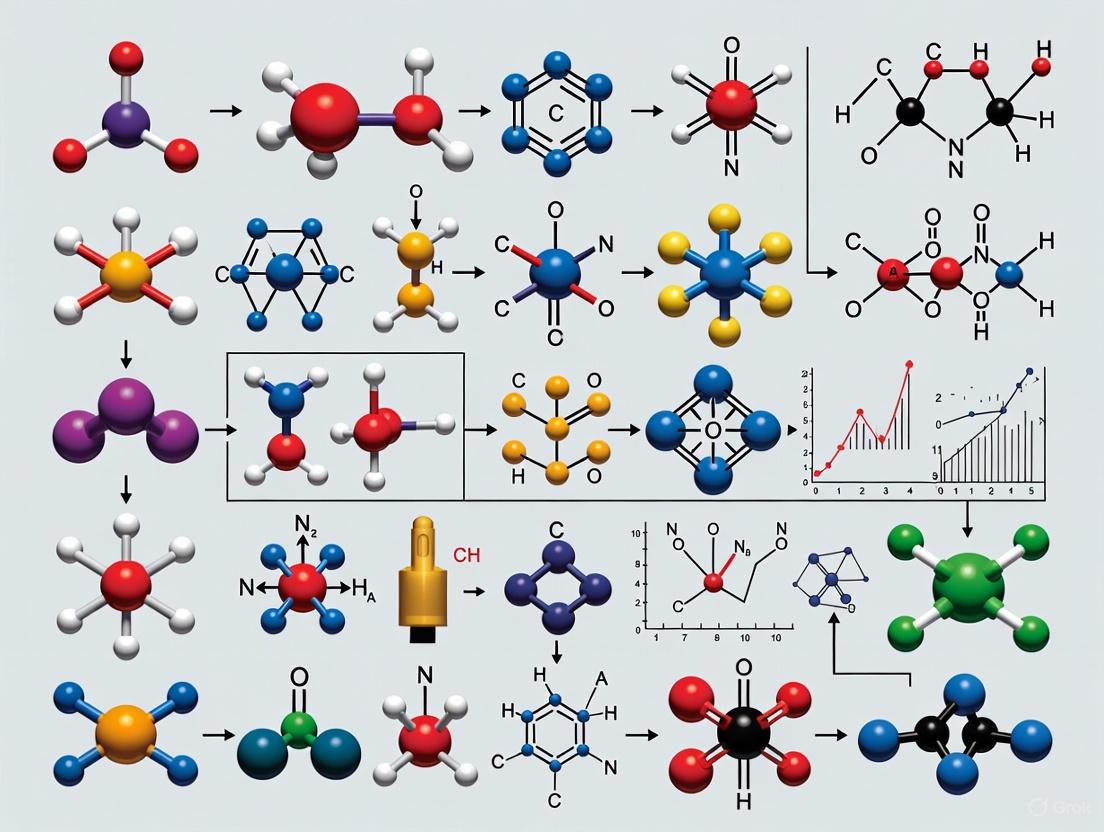
This article traces the transformative journey of molecular engineering from its foundational principles to its current status as a cornerstone of modern therapeutics.
From Concept to Cure: The Evolution of Molecular Engineering in Modern Drug Discovery
Abstract
This article traces the transformative journey of molecular engineering from its foundational principles to its current status as a cornerstone of modern therapeutics. Designed for researchers, scientists, and drug development professionals, it explores the methodological shifts from traditional design to AI-driven generation, delves into optimization strategies for complex challenges like molecular validity and specificity, and validates progress through comparative analysis of 3D generative models and real-world case studies. By synthesizing key technological breakthroughs and their applications in areas such as targeted protein degradation, radiopharmaceuticals, and cell therapy, this review provides a comprehensive resource for understanding how molecular engineering is reshaping the landscape of biomedical research and clinical development.
The Roots of Control: Tracing the Foundational Shifts in Molecular Design
Molecular engineering represents a fundamental paradigm shift in the scientific approach to technology development. Moving beyond the traditional observational and correlative methods of classical science, this discipline employs a rational, "bottom-up" methodology to design and assemble materials, devices, and systems with specific functions directly from their molecular components [1] [2]. This whitepaper examines the historical evolution of molecular engineering, delineates its core principles against those of conventional science, and provides a detailed examination of its methodologies and applications, with particular emphasis on advancements in drug development and biomedical technologies.
Historical Foundation and Paradigm Shift
The conceptual foundation of molecular engineering was first articulated in 1956 by Arthur R. von Hippel, who defined it as "… a new mode of thinking about engineering problems. Instead of taking prefabricated materials and trying to devise engineering applications consistent with their macroscopic properties, one builds materials from their atoms and molecules for the purpose at hand" [2]. This emerging perspective stood in stark contrast to the established traditions of molecular biology and biochemistry, which were primarily observational sciences focused on unraveling functional relationships and understanding existing biological systems [3] [4].
The field gained further momentum with the rise of molecular biology in the 1960s and 1970s, which introduced powerful new tools for understanding life at the molecular level [3]. However, a significant epistemological divide emerged during what has been termed the "molecular wars," where traditional evolutionary biologists championed the distinction between functional biology (addressing "how" questions) and evolutionary biology (addressing "why" questions), while molecular biologists began asserting the significance of "informational macromolecules" for all biological processes [3]. Molecular engineering transcends this dichotomy by introducing a third modality: "how can we build?" This represents a shift from descriptive science to prescriptive engineering, from analyzing what exists to creating what does not.
The table below contrasts the fundamental characteristics of the traditional observational science paradigm with the emerging molecular engineering paradigm:
Table 1: Paradigm Shift from Observational Science to Molecular Engineering
| Aspect | Observational Science Paradigm | Molecular Engineering Paradigm |
|---|---|---|
| Primary Goal | Understand and describe natural phenomena [3] | Design and construct functional systems from molecular components [2] |
| Approach | Analysis, hypothesis testing, correlation [4] | Rational design, synthesis, and assembly [2] |
| Mindset | "What is?" and "Why is it?" [3] | "How can we build?" and "What can we create?" [2] |
| Methodology | Often trial-and-error with prefabricated materials [2] | Bottom-up design from first principles [1] [2] |
| Outcome | Knowledge, theories, explanations | Functional materials, devices, and technologies [2] |
Core Principles of Molecular Engineering
The "Bottom-Up" Design Philosophy
At its core, molecular engineering operates on a "bottom-up" design philosophy where observable properties of a macroscopic system are influenced by the direct alteration of molecular structure [2]. This approach involves selecting molecules with the precise chemical, physical, and structural properties required for a specific function, then organizing them into nanoscale architectures to achieve a desired product or process [1]. This stands in direct opposition to the traditional engineering approach of taking prefabricated materials and devising applications consistent with their existing macroscopic properties [2].
Rational Design vs. Trial-and-Error
A defining characteristic of molecular engineering is its commitment to a rational engineering methodology based on molecular principles, which contrasts sharply with the widespread trial-and-error approaches common throughout many engineering disciplines [2]. Rather than relying on well-described but poorly-understood empirical correlations between a system's makeup and its properties, molecular engineering seeks to manipulate system properties directly using an understanding of their chemical and physical origins [2]. This principles-based approach becomes increasingly crucial as technology advances and trial-and-error methods become prohibitively costly and difficult for complex systems where accounting for all variable dependencies is challenging [2].
Cross-Disciplinary Integration
Molecular engineering is inherently highly interdisciplinary, encompassing aspects of chemical engineering, materials science, bioengineering, electrical engineering, physics, mechanical engineering, and chemistry [2]. There is also considerable overlap with nanotechnology, as both are concerned with material behavior on the scale of nanometers or smaller [2]. This interdisciplinary nature requires engineers who are conversant across multiple disciplines to address the field's complex target problems [2].
Key Technological Applications
The molecular engineering paradigm has enabled breakthroughs across numerous industries. The following table summarizes transformative applications in key sectors, particularly highlighting advances relevant to drug development professionals.
Table 2: Key Applications of Molecular Engineering Across Industries
| Field | Application | Molecular Engineering Approach | Significance |
|---|---|---|---|
| Immunotherapy | Peptide-based vaccines [2] | Amphiphilic peptide macromolecular assemblies designed to induce robust immune response | Enhanced vaccine efficacy and targeted immune activation |
| Biopharmaceuticals | Drug delivery systems [2] | Design of nanoparticles, liposomes, and polyelectrolyte micelles as delivery vehicles | Improved drug bioavailability and targeted delivery |
| Gene Therapy | CRISPR and gene delivery [2] | Designing molecules to deliver modified genes into cells to cure genetic disorders | Precision medicine and treatment of genetic diseases |
| Medical Devices | Antibiotic surfaces [2] | Incorporation of silver nanoparticles or antibacterial peptides into coatings | Prevention of microbial infection on implants and devices |
| Energy Storage | Flow batteries [2] | Synthesizing molecules for high-energy density electrolytes and selective membranes | Grid-scale energy storage with improved efficiency |
| Environmental Engineering | Water desalination [2] | Designing new membranes for highly-efficient low-cost ion removal | Sustainable water purification solutions |
Experimental Methodologies and Protocols
Essential Research Reagents and Solutions
Molecular engineering research requires specialized reagents and materials to enable precise manipulation at the molecular scale. The following table catalogues critical resources for experimental work in this field.
Table 3: Essential Research Reagent Solutions for Molecular Engineering
| Reagent/Material | Function | Example Applications |
|---|---|---|
| Functionalized Monomers | Building blocks for synthetic polymers | Creating tailored biomaterials, drug delivery vehicles [2] |
| Amphiphilic Peptides | Self-assembling structural elements | Vaccine development, nanostructure fabrication [2] |
| Silver Nanoparticles | Antimicrobial agents | Antibiotic surface coatings for medical devices [2] |
| DNA-conjugated Nanoparticles | Programmable assembly units | 3D nanostructure lattices, functional materials [2] |
| Organic Semiconductor Molecules | Electronic materials | Organic light-emitting diodes (OLEDs), flexible electronics [2] |
| Liposome Formulations | Drug encapsulation and delivery | Targeted therapeutic delivery, membrane studies [5] |
Detailed Protocol: Molecular Engineering of Cell Membranes
Chemical engineering of cell membranes represents a powerful methodology for manipulating surface composition and controlling cellular interactions with the environment [5]. The protocol below outlines a covalent ligation strategy for cell surface modification.
Objective: To covalently attach functional molecules to cell surface proteins or lipids via bioorthogonal chemistry.
Materials and Reagents:
- Target cells in appropriate growth medium
- N-hydroxysuccinimide (NHS) ester of desired functional molecule (e.g., fluorescent dye, biotin, peptide)
- Phosphate-buffered saline (PBS), pH 7.4
- Quenching solution (e.g., Tris buffer or glycine)
- Flow cytometry analysis reagents (if using fluorescent labels)
Procedure:
- Cell Preparation: Harvest and wash cells three times with PBS to remove serum proteins that might react with the NHS ester.
- Reaction Preparation: Dissolve NHS-ester functional molecule in anhydrous DMSO immediately before use to prevent hydrolysis.
- Labeling Reaction: Resuspend cells in PBS at a concentration of 1-5 × 10^6 cells/mL. Add NHS-ester solution to achieve final concentration of 10-100 µM. Incubate with gentle mixing for 15-30 minutes at 4°C to minimize internalization.
- Reaction Quenching: Add excess quenching solution (100 mM Tris or glycine) and incubate for 5 minutes to neutralize unreacted NHS esters.
- Washing and Analysis: Wash cells three times with PBS containing 1% FBS to remove unbound molecules. Analyze modification efficiency via flow cytometry (for fluorescent labels) or functional assays.
Critical Considerations:
- Maintain cell viability throughout by working quickly at 4°C and using proper sterile technique.
- Optimize reagent concentration and reaction time for each cell type to balance labeling efficiency with viability.
- Include appropriate controls (untreated cells, DMSO-only treated) to account for non-specific effects.
- For therapeutic applications, thoroughly assess functional consequences of modification on cell behavior [5].
Computational and Analytical Techniques
Molecular engineering employs sophisticated computational and analytical tools for design and validation:
Computational Approaches:
- Molecular dynamics simulations for predicting molecular behavior
- Quantum mechanics calculations for electronic properties
- Finite element analysis for system performance modeling [2]
Characterization Methods:
- Atomic force microscopy (AFM) for surface topography
- X-ray diffraction (XRD) for structural analysis
- Spectroscopy techniques (NMR, MS, FTIR) for molecular characterization [2] [5]
The following diagram illustrates a generalized workflow for rational molecular design, integrating computational and experimental approaches:
Current Research Frontiers and Future Directions
Quantitative Biology and Systems Integration
The last decade has witnessed a profound transformation in molecular biology research, fueled by revolutionary technologies that enable systematic and quantitative measurement of molecules and cells [6]. This technological leap presents an opportunity to describe biological systems quantitatively to formulate mechanistic models and confront the grand challenge of engineering new cellular behaviors [6]. The integration of genomics, proteomics, and quantitative imaging generates vast amounts of high-resolution data characterizing biological systems across multiple scales, creating a foundation for more predictive molecular engineering [6].
Molecular Visualization and Communication
Effective molecular visualization plays a crucial role in the molecular engineering paradigm, serving as a bridge between computational design and physical implementation [7]. Current research focuses on developing best practices for color palettes in molecular visualization to enhance interpretability and effectiveness without compromising aesthetics [7]. Semantic color use in molecular storytelling—such as identifying key molecules in signaling pathways or establishing visual hierarchies—improves communication of complex molecular mechanisms to diverse audiences, from research scientists to clinical practitioners [7].
Educational Framework Development
The formalization of molecular engineering as a distinct discipline is reflected in the establishment of dedicated academic programs at leading institutions such as the University of Chicago's Pritzker School of Molecular Engineering [8]. These programs develop cutting-edge engineering curricula built on strong foundations in mathematics, physics, chemistry, and biology, with specialized tracks in bioengineering, chemical engineering, and quantum engineering [8]. This educational evolution signals the maturation of molecular engineering from a conceptual framework to an established engineering discipline with standardized methodologies.
Molecular engineering represents a fundamental shift from observational science to direct engineering at the molecular scale. By combining rational design principles with advanced computational and experimental techniques, this paradigm enables the creation of functional systems with precision that was previously unattainable. For drug development professionals, molecular engineering offers powerful new approaches to therapeutic design, from targeted drug delivery systems to engineered cellular therapies. As the field continues to evolve through advances in quantitative biology, improved visualization techniques, and formalized educational frameworks, its impact on medicine and technology is poised to grow exponentially, ultimately enabling more precise, effective, and personalized healthcare solutions.
The evolution of molecular engineering is a history of tool creation. The ability to precisely manipulate matter at the molecular level has fundamentally transformed biological research and drug development, enabling advances from recombinant protein therapeutics to gene editing. This progression from macroscopic observation to atomic-level control represents a paradigm shift in scientific capability, driven by the continuous refinement of techniques for observing, measuring, and altering molecular structures. This technical guide traces the key instrumental and methodological milestones that have enabled this precision manipulation, providing researchers with a comprehensive overview of the tools that underpin modern molecular engineering.
The Foundational Era: Establishing Molecular Understanding
The initial phase of molecular manipulation was characterized by the development of tools to decipher the basic structures and codes of biological systems, moving from cellular observation to genetic understanding.
Key Historical Developments (1857-1970)
Table 1: Foundational Discoveries in Molecular Biology
| Year | Development | Key Researchers/Proponents | Significance |
|---|---|---|---|
| 1857 | Role of microbes in fermentation | Louis Pasteur [9] | Established biological catalysis |
| 1865 | Laws of Inheritance | Gregor Mendel [10] [11] [9] | Defined genetic inheritance patterns |
| 1953 | Double-helical DNA structure | James Watson, Francis Crick [10] [11] [12] | Revealed molecular basis of genetics |
| 1966 | Genetic code established | Nirenberg, Khorana, others [10] [11] | Deciphered DNA-to-protein translation |
| 1970 | Restriction enzymes discovered | Hamilton Smith [12] | Provided "molecular scissors" for DNA cutting |
Experimental Analysis: Griffith's Transforming Principle (1928)
Objective: To determine the mechanism of bacterial virulence transformation.
Methodology:
- Heat-killed virulent strain preparation: Smooth (S) strain Streptococcus pneumoniae was heat-killed.
- Live non-virulent strain preparation: Rough (R) strain, avirulent, was cultured.
- Co-injection: Mixtures of heat-killed S strain and live R strain were injected into mice.
- Control groups: Mice injected with either strain alone (heat-killed S or live R).
- Outcome measurement: Survival and bacterial isolation from deceased mice.
Results: Mice injected with the mixture died. Live S strain bacteria were recovered, indicating a "transforming principle" from the dead S strain converted the live R strain to virulence [12].
Significance: This experiment indirectly demonstrated that genetic material could be transferred between cells, paving the way for the identification of DNA as the molecule of inheritance [12].
The Recombinant DNA Revolution: Cutting and Pasting Genes
The 1970s marked a turning point with the development of technologies to isolate, recombine, and replicate DNA sequences from different sources, establishing the core toolkit for genetic engineering.
Enabling Technologies and Milestones
Table 2: Key Tools for Recombinant DNA Technology
| Tool/Technique | Year | Function | Role in Genetic Engineering |
|---|---|---|---|
| DNA Ligase | 1967 [12] | Joins DNA strands [10] [12] | "Molecular glue" for assembling DNA fragments |
| Restriction Enzymes | 1970 [10] | Cuts DNA at specific sequences [10] [12] | "Molecular scissors" for precise DNA fragmentation |
| Plasmids | (Discovered 1952) [12] | Extrachromosomal circular DNA [12] | Vectors for DNA cloning and transfer |
| Chemical Transformation (CaCl₂) | 1970 [12] | Induces DNA uptake in E. coli [12] | Enabled introduction of recombinant DNA into host cells |
Experimental Protocol: Cohen-Boyer Recombinant DNA Cloning (1973)
Objective: To clone a functional gene from one organism into a bacterium.
Materials (Research Reagent Solutions):
- pSC101 plasmid: Contains tetracycline resistance gene; serves as cloning vector [12].
- Kanamycin resistance gene: Target DNA fragment to be cloned [12].
- Restriction enzyme (EcoRI): Cuts plasmid and foreign DNA at specific sites [12].
- DNA ligase: Joins compatible DNA ends [12].
- Calcium chloride-treated E. coli: Chemically competent cells for DNA uptake [12].
- Agar plates with antibiotics (tetracycline, kanamycin): For selection of transformed bacteria [12].
Procedure:
- Digestion: The pSC101 plasmid and the DNA containing the kanamycin resistance gene were digested with the restriction enzyme EcoRI [12].
- Ligation: The digested plasmid and foreign DNA fragments were mixed with DNA ligase to create recombinant molecules [12].
- Transformation: The ligation mixture was introduced into calcium chloride-treated E. coli cells [12].
- Selection: Transformed bacteria were selected by growth on agar plates containing both tetracycline and kanamycin [12].
- Verification: Bacterial colonies growing on both antibiotics were analyzed to confirm the presence of the recombinant plasmid [12].
Outcome: Creation of the first genetically modified organism—a bacterium expressing a cloned kanamycin resistance gene—demonstrating that genes could be transferred between species and remain functional [12].
Diagram 1: Recombinant DNA Cloning Workflow.
The Amplification and Sequencing Era: Reading and Copying DNA
The ability to rapidly amplify and sequence DNA provided the throughput necessary for systematic genetic analysis, culminating in the landmark Human Genome Project.
Key Technological Advances
Polymerase Chain Reaction (PCR) (1985): Developed by Kary Mullis, this technique uses thermal cycling and a heat-stable DNA polymerase to exponentially amplify specific DNA sequences, revolutionizing genetic analysis by generating millions of copies from a single template [12] [9].
DNA Sequencing Methods (1977): The development of chain-termination method (Sanger sequencing) and chemical cleavage method (Maxam-Gilbert sequencing) enabled the determination of nucleotide sequences, providing the fundamental tool for reading genetic information [10] [12].
The Human Genome Project (1990-2003)
This international effort to sequence the entire human genome drove and was enabled by dramatic improvements in sequencing technologies, moving from laborious manual methods to automated, high-throughput capillary systems [10] [11]. It established the reference human genome sequence, catalysing the development of bioinformatics and genomics-driven drug discovery [10].
Directed Evolution: Engineering Biomolecules through Artificial Selection
Directed evolution mimics natural selection in the laboratory to engineer proteins, pathways, or entire organisms with improved or novel functions.
Core Methodological Framework
The process is an iterative two-step cycle [13]:
- Library Creation: Generating genetic diversity in the target (e.g., a protein-encoding gene).
- Screening/Selection: Identifying variants with desired properties from the library.
The best performers become the templates for the next cycle.
Experimental Protocol: Directed Evolution of Subtilisin E for Organic Solvent Stability (1994)
Objective: Enhance the activity of subtilisin E protease in dimethylformamide (DMF) [13].
Materials:
- Subtilisin E gene: Template for diversification.
- Error-prone PCR reagents: Includes Taq polymerase (low fidelity), unbalanced dNTPs, Mn²⁺ to introduce random mutations [13].
- Expression vector and host: For protein production.
- Screening assay: Colorimetric or fluorogenic substrate to measure protease activity in DMF [13].
Procedure:
- Diversification: The subtilisin E gene was amplified using error-prone PCR conditions to introduce random point mutations [13].
- Library Construction: The mutated gene pool was cloned into an expression vector and transformed into a bacterial host [13].
- Screening: Individual colonies were expressed, and the corresponding enzyme extracts were assayed for protease activity in the presence of high concentrations of DMF [13].
- Selection: The variant showing the highest activity in DMF was selected [13].
- Iteration: Steps 1-4 were repeated for multiple rounds, using the best mutant from the previous round as the new template [13].
Outcome: After three rounds, a mutant with 6 amino acid substitutions was identified, exhibiting a 256-fold higher activity in 60% DMF compared to the wild-type enzyme [13].
Diagram 2: Directed Evolution Iterative Cycle.
The Modern Toolkit: CRISPR and Precision Genome Editing
The most recent transformative milestone is the development of CRISPR-Cas9 technology, which provides unprecedented precision for editing genomes.
The CRISPR-Cas9 System Components
Table 3: Key Reagents for CRISPR-Cas9 Genome Editing
| Component | Type | Function |
|---|---|---|
| Cas9 Nuclease | Protein or gene encoding it | "Molecular scalpel" that cuts double-stranded DNA |
| sgRNA (Single-Guide RNA) | Synthesized RNA molecule | Combines targeting (crRNA) and scaffolding (tracrRNA) functions; guides Cas9 to specific genomic locus |
| Repair Template | Single-stranded oligo or double-stranded DNA vector | Optional; provides template for precise edits via HDR (Homology Directed Repair) |
| Delivery Vehicle | (e.g., Lipofectamine, viral vector) | Transports CRISPR components into the target cell |
Experimental Workflow: CRISPR-Cas9 Mediated Gene Knock-In
Objective: Insert a new DNA sequence (e.g., a reporter gene) into a specific genomic locus in mammalian cells.
Procedure:
- Target Selection & gRNA Design: A 20-nucleotide sequence adjacent to a PAM (Protospacer Adjacent Motif) site in the target gene is selected. The corresponding sgRNA is designed and synthesized [10].
- Component Preparation: A plasmid encoding the Cas9 nuclease and a second plasmid encoding the sgRNA and the reporter gene (repair template) are constructed [10].
- Delivery: Plasmids are co-transfected into the target cells using a method appropriate for the cell type (e.g., lipofection, electroporation) [10].
- DNA Cleavage & Repair: The Cas9/sgRNA complex binds the target locus and induces a double-strand break. The cell's HDR repair machinery uses the supplied repair template to integrate the reporter gene into the genome [10].
- Validation: Edited cells are screened via antibiotic selection and PCR/sequencing to confirm precise insertion [10].
Significance: CRISPR technology allows for precise, targeted modifications—corrections, insertions, deletions—in the genomes of live organisms, with profound implications for functional genomics, disease modeling, and gene therapy [10].
The history of precision manipulation in molecular engineering reveals a clear trajectory: from observing biological structures to directly rewriting them. Each major milestone—recombinant DNA, PCR, sequencing, directed evolution, and CRISPR—has provided a new class of tools that expanded the possible. These tools have converged to create a modern engineering discipline where biological systems can be designed and constructed with predictable outcomes. For drug development professionals, this toolkit has enabled the creation of previously unimaginable therapies, from monoclonal antibodies to personalized cell therapies. The continued refinement of these tools, particularly in the realms of gene editing and synthetic biology, promises to further accelerate the pace of therapeutic innovation.
The field of molecular engineering has witnessed numerous transformative breakthroughs, but few have redrawn the therapeutic landscape as profoundly as the development of Targeted Protein Degradation (TPD). For decades, drug discovery operated on the principle of occupancy-driven inhibition, where small molecules required continuous binding to active sites to block protein function [14]. This approach, while successful for many targets, left approximately 80-85% of the human proteome—particularly proteins lacking well-defined binding pockets such as transcription factors, scaffolding proteins, and regulatory subunits—largely inaccessible to therapeutic intervention [14] [15].
The conceptual foundation for proteolysis-targeting chimeras (PROTACs) was established in 2001 by the pioneering work of Crews and Deshaies, who introduced the first peptide-based PROTAC molecule [16] [17]. This initial construct demonstrated that heterobifunctional molecules could hijack cellular quality control machinery to eliminate specific proteins. The technology transitioned from concept to therapeutic reality in 2008 with the development of the first small-molecule PROTACs, which offered improved cellular permeability and pharmacokinetic properties over their peptide-based predecessors [18] [17]. The field has since accelerated dramatically, with the first PROTAC entering clinical trials in 2019 and, remarkably, achieving Phase III completion by 2024 [14].
This technical guide examines the rise of PROTAC technology within the broader context of molecular engineering, detailing its mechanistic foundations, design principles, experimental characterization, and clinical translation. As we explore this rapidly evolving landscape, we will highlight how PROTACs have not only expanded the druggable proteome but have fundamentally redefined what constitutes a tractable therapeutic target.
Mechanistic Foundations of PROTACs
Core Architecture and Mechanism
PROTACs are heterobifunctional small molecules comprising three fundamental components: (1) a ligand that binds to the protein of interest (POI), (2) a ligand that recruits an E3 ubiquitin ligase, and (3) a chemical linker that covalently connects these two moieties [19] [16] [14]. This tripartite structure enables PROTACs to orchestrate a unique biological process: instead of merely inhibiting their targets, they facilitate the complete elimination of pathogenic proteins from cells.
The molecular mechanism of PROTAC action exploits the ubiquitin-proteasome system (UPS), the primary pathway for controlled intracellular protein degradation in eukaryotic cells [20] [17]. The process occurs through a carefully coordinated sequence:
- Target Binding: The PROTAC molecule enters the cell and binds to the target protein through its POI-binding ligand [19].
- E3 Ligase Recruitment: Simultaneously, the PROTAC's E3 ligase ligand engages a specific E3 ubiquitin ligase [19].
- Ternary Complex Formation: The PROTAC induces a transient complex between the target protein and the E3 ubiquitin ligase [19] [14].
- Ubiquitination: The E3 ligase transfers polyubiquitin chains to lysine residues on the surface of the target protein [19] [17].
- Degradation: The ubiquitin-tagged protein is recognized and degraded by the 26S proteasome, while the PROTAC molecule is recycled to initiate additional degradation cycles [19].
This mechanism represents a shift from traditional occupancy-driven pharmacology to event-driven pharmacology, where the therapeutic effect stems from a catalytic process rather than continuous target occupancy [14]. This fundamental distinction underpins many of the unique advantages of PROTAC technology.
Diagram 1: The PROTAC Mechanism of Action. A PROTAC molecule acts as a molecular bridge to bring an E3 ubiquitin ligase to the target protein, facilitating its ubiquitination and subsequent degradation by the proteasome. The PROTAC is then recycled for further catalytic activity.
Key Advantages Over Traditional Therapeutics
PROTAC technology offers several distinct pharmacological advantages that differentiate it from conventional small molecule inhibitors:
Expansion of the Druggable Proteome: By relying on binding-induced proximity rather than active-site inhibition, PROTACs can target proteins previously considered "undruggable," including transcription factors, scaffolding proteins, and non-enzymatic regulatory elements [20] [19] [14]. This potentially unlocks therapeutic access to a significant portion of the proteome that was previously inaccessible to conventional small molecules [15].
Catalytic Efficiency and Sub-stoichiometric Activity: PROTACs operate catalytically; a single molecule can facilitate the degradation of multiple target protein molecules through successive cycles of binding, ubiquitination, and release [19] [14] [15]. This sub-stoichiometric mechanism can produce potent effects at lower concentrations than required for traditional inhibitors [19].
Overcoming Drug Resistance: Conventional inhibitors often face resistance through target overexpression or mutations that reduce drug binding. By degrading the target protein completely, PROTACs can circumvent both mechanisms [20] [19] [17]. For example, BTK degraders have shown clinical activity against both wild-type and C481-mutant BTK in B-cell malignancies [19].
Sustained Pharmacological Effects: Since degradation eliminates the target protein entirely, pharmacological effects persist until the protein is resynthesized through natural cellular processes. This provides prolonged target suppression even after the PROTAC has been cleared from the system [19].
Table 1: Quantitative Comparison of PROTACs Versus Traditional Small Molecule Inhibitors
| Characteristic | Traditional Small Molecule Inhibitors | PROTAC Degraders |
|---|---|---|
| Mechanism of Action | Occupancy-driven inhibition [14] | Event-driven degradation [14] |
| Target Scope | ~15% of proteome (proteins with defined binding pockets) [14] | Potentially much larger (includes "undruggable" proteins) [14] [15] |
| Dosing Requirement | Sustained high concentration for continuous inhibition [21] | Lower, pulsed dosing due to catalytic mechanism [19] [15] |
| Effect on Protein | Inhibits function | Eliminates protein entirely |
| Duration of Effect | Short (requires continuous presence) [21] | Long-lasting (until protein resynthesis) [19] |
| Resistance Mechanisms | Target mutation/overexpression [18] | May overcome many resistance mechanisms [20] [19] |
The PROTAC Development Toolkit
Key Research Reagents and Materials
The design and validation of PROTAC molecules require specialized reagents and methodologies. The table below outlines essential components of the PROTAC research toolkit.
Table 2: Essential Research Reagent Solutions for PROTAC Development
| Reagent Category | Specific Examples | Function in PROTAC Development |
|---|---|---|
| E3 Ligase Ligands | VHL ligands (e.g., VH032), CRBN ligands (e.g., Pomalidomide), MDM2 ligands (e.g., Nutlin-3) [18] | Recruit specific E3 ubiquitin ligase complexes to enable target ubiquitination [19] [18] |
| Target Protein Ligands | Kinase inhibitors, receptor antagonists, transcription factor binders [21] | Bind specifically to the protein targeted for degradation [19] |
| Linker Libraries | Polyethylene glycol (PEG) chains, alkyl chains, piperazine-based linkers [16] | Connect E3 and POI ligands; optimize spatial orientation for ternary complex formation [16] [14] |
| Cell Lines with Endogenous Targets | Cancer cell lines expressing target proteins (e.g., BTK in Ramos cells, ER in breast cancer models) [16] | Evaluate PROTAC efficacy and selectivity in physiologically relevant systems [21] |
| Proteasome Inhibitors | MG-132, Bortezomib, Carfilzomib [17] | Confirm proteasome-dependent degradation mechanism [17] |
| Ubiquitination Assay Kits | ELISA-based ubiquitination assays, ubiquitin binding domains [17] | Detect and quantify target protein ubiquitination [17] |
| Ternary Complex Assays | Surface Plasmon Resonance (SPR), Analytical Ultracentrifugation (AUC) [14] | Characterize formation and stability of POI-PROTAC-E3 complex [14] |
E3 Ligase Toolkit Expansion
While the human genome encodes approximately 600 E3 ubiquitin ligases, current PROTAC designs predominantly utilize only a handful, with cereblon (CRBN) and von Hippel-Lindau (VHL) accounting for the majority of reported compounds [18] [22]. This limited repertoire represents a significant constraint in the field. Emerging research focuses on expanding the E3 ligase toolbox to include other ligases such as MDM2, IAPs, DCAF family members, and RNF4 [18] [14] [22].
Diversifying the E3 ligase repertoire offers several strategic advantages:
- Tissue-Specific Targeting: Exploiting ligases with restricted expression patterns can enable tissue-selective degradation [19] [22].
- Overcoming Resistance: Cancer cells may downregulate specific E3 ligases as a resistance mechanism; alternative ligases can bypass this limitation [19] [22].
- Expanded Target Scope: Different E3 ligases may exhibit varying efficiencies toward specific target classes or subcellular localizations [22].
Recent estimates indicate that only about 13 of the 600 human E3 ligases have been utilized in PROTAC designs to date, leaving approximately 98% of this target class unexplored for TPD applications [22]. This represents a substantial opportunity for future innovation in the field.
Experimental Protocols and Characterization
PROTAC Design and Optimization Workflow
Developing effective PROTAC degraders requires an iterative optimization process that balances multiple structural and functional parameters:
Target Assessment: Evaluate the target protein for ligandability, disease association, and potential susceptibility to degradation-based targeting [14].
Ligand Selection: Identify suitable ligands for the target protein and selected E3 ligase. These may include known inhibitors, antagonists, or allosteric modulators with confirmed binding activity [21].
Linker Design and Synthesis: Systematically vary linker length, composition, and rigidity to optimize ternary complex formation. Common linker strategies include polyethylene glycol (PEG) chains, alkyl chains, and piperazine-based structures [16] [14].
In Vitro Screening: Assess degradation efficiency, potency (DC50), and maximum degradation (Dmax) in relevant cell lines using immunoblotting or other protein quantification methods [21].
Mechanistic Validation: Confirm UPS-dependent degradation using proteasome inhibitors (e.g., MG-132) and ubiquitination assays [17].
Selectivity Profiling: Evaluate off-target effects using proteomic approaches such as mass spectrometry-based proteomics to assess global protein abundance changes [22].
Functional Characterization: Determine phenotypic consequences of target degradation through cell proliferation assays, signaling pathway analysis, or other disease-relevant functional readouts [21].
Key Assays for PROTAC Characterization
Degradation Kinetics and Efficiency
PROTAC activity is typically quantified using two key parameters: DC50 (concentration achieving 50% degradation) and Dmax (maximum degradation achieved) [14]. These values are determined through dose-response experiments in which target protein levels are measured following PROTAC treatment, typically via immunoblotting or cellular thermal shift assays (CETSA) [14].
The hook effect represents a unique challenge in PROTAC optimization, where degradation efficiency decreases at high concentrations due to the formation of unproductive binary complexes (POI-PROTAC and E3-PROTAC) that compete with productive ternary complexes [18] [14] [15]. This phenomenon must be carefully characterized during dose-response studies.
Diagram 2: The Hook Effect in PROTAC Activity. At high concentrations, PROTAC molecules form unproductive binary complexes with either the target protein or E3 ligase alone, which compete with the formation of productive ternary complexes and reduce degradation efficiency.
Ternary Complex Analysis
The formation and stability of the POI-PROTAC-E3 ternary complex is a critical determinant of degradation efficiency [14]. Several biophysical techniques are employed to characterize this complex:
- Surface Plasmon Resonance (SPR): Measures binding kinetics and affinity in real-time [14].
- Analytical Ultracentrifugation (AUC): Assesses complex stoichiometry and hydrodynamic properties [14].
- Cryo-Electron Microscopy (cryo-EM): Provides high-resolution structural information on complex formation [19].
- Cooperativity Assays: Quantify the enhanced binding affinity that occurs when both proteins simultaneously engage the PROTAC [14].
Selectivity and Off-Target Assessment
Comprehensive selectivity profiling is essential for PROTAC development. While the catalytic nature of PROTACs offers potential selectivity advantages, off-target degradation remains a concern [19] [22]. Advanced proteomic approaches enable system-wide monitoring of PROTAC effects:
- Global Proteomics: Mass spectrometry-based quantification of protein abundance changes across the proteome [22].
- Phosphoproteomics: Analysis of phosphorylation state changes to identify downstream signaling consequences [22].
- Interaction Proteomics: Mapping of changes in protein-protein interaction networks following target degradation [22].
Clinical Translation and Emerging Applications
Current Clinical Landscape
The PROTAC platform has rapidly advanced from preclinical validation to clinical evaluation. As of 2025, there are over 30 PROTAC candidates in various stages of clinical development, spanning Phase I to Phase III trials [16]. Notable examples include:
- Vepdegestrant (ARV-471): An oral estrogen receptor-targeting PROTAC that has advanced to Phase III trials (VERITAC-2) for ER+/HER2- breast cancer, with positive topline results reported in 2025 [19].
- Bavdegalutamide (ARV-110): An androgen receptor degrader evaluated in Phase I/II studies for metastatic castration-resistant prostate cancer [19] [16].
- NX-2127: A BTK degrader demonstrating clinical activity against both wild-type and C481-mutant BTK in B-cell malignancies [19].
These clinical candidates illustrate the potential of PROTAC technology to address significant challenges in oncology, particularly in overcoming resistance to conventional targeted therapies [20] [19].
Emerging Innovations and Future Directions
Conditional and Controlled Degradation
Next-generation PROTAC platforms are incorporating conditional activation mechanisms to enhance spatial and temporal precision:
- Photoactivatable PROTACs (opto-PROTACs): Utilize photolabile caging groups (e.g., DMNB, DEACM) on critical functional elements that can be removed with light exposure, enabling spatiotemporal control of degradation [16]. For example, Xue et al. developed BRD4-targeting photocaged degraders that achieved light-dependent BRD4 degradation in zebrafish embryo models [16].
- Pro-PROTACs (Latent PROTACs): Prodrug strategies where the active PROTAC is released under specific physiological conditions or through enzymatic activation, improving tissue specificity and pharmacokinetics [16].
Expanding Beyond Oncology
While cancer remains the most advanced application area, PROTAC technology is expanding into other therapeutic domains:
- Neurodegenerative Diseases: Targeting pathological proteins such as tau, α-synuclein, and TDP-43 in Alzheimer's, Parkinson's, and other neurodegenerative conditions [19] [23]. Blood-brain barrier penetration remains a significant challenge in this area [19] [23].
- Inflammatory and Immune Disorders: Developing degraders for transcription factors such as NF-κB and STAT proteins to modulate immune signaling [19].
- Metabolic Diseases: Exploring degradation-based approaches to targets involved in metabolic regulation [14].
Integration with Advanced Modalities
The future of PROTAC research involves integration with cutting-edge technologies:
- AI-Assisted Design: Platforms such as AIMLinker and DeepPROTAC use deep learning networks to generate novel linker moieties and predict ternary complex formation, accelerating rational PROTAC design [16].
- Multi-Omics Characterization: Integration of proteomics, phosphoproteomics, and metabolomics provides comprehensive insights into degrader mechanisms, selectivity, and efficacy [22].
- Advanced Delivery Systems: Development of nano-PROTACs, peptide-PROTACs, and biomacromolecule conjugates to overcome physicochemical limitations and improve tissue targeting [22].
PROTAC technology represents a fundamental paradigm shift in molecular engineering and therapeutic intervention. By transitioning from occupancy-driven inhibition to event-driven degradation, this approach has expanded the druggable proteome to include previously inaccessible targets, offering new hope for treating complex diseases. The rapid clinical advancement of PROTAC candidates demonstrates the translational potential of this platform, while ongoing innovations in E3 ligase recruitment, conditional degradation, and targeted delivery promise to further enhance the specificity and utility of this transformative technology.
As the field continues to evolve, the integration of structural biology, computational design, and multi-omics characterization will enable increasingly sophisticated degrader architectures. The expansion of PROTAC applications beyond oncology to neurodegenerative, inflammatory, and metabolic disorders underscores the platform's versatility and potential for broad therapeutic impact. Within the historical context of molecular engineering, PROTACs stand as a testament to the power of biomimetic design—harnessing natural cellular machinery to achieve therapeutic outcomes that were once considered impossible.
The field of molecular engineering has been fundamentally transformed by the harnessing of natural biological systems, with the CRISPR-Cas9 system representing one of the most significant advancements. This revolutionary technology originated from the study of a primitive bacterial immune system that protects prokaryotes from viral invaders [24]. In nature, CRISPR (Clustered Regularly Interspaced Short Palindromic Repeats) functions as an adaptive immune mechanism in bacteria, allowing them to recognize and destroy foreign genetic material from previous infections [25]. The historical evolution of this technology demonstrates how fundamental research into microbial defense mechanisms has unlocked unprecedented capabilities for precise genetic manipulation across diverse biological systems, from microorganisms to humans.
The transformation of CRISPR from a natural bacterial system to a programmable gene-editing tool began in earnest in 2012, when researchers Jennifer Doudna and Emmanuelle Charpentier demonstrated that the natural system could be repurposed to edit any DNA sequence with precision [24]. Their work revealed that the CRISPR system could be reduced to two primary components: a Cas9 protein that acts as molecular scissors to cut DNA, and a guide RNA that directs Cas9 to specific genetic sequences [25]. This breakthrough created a programmable system that was faster, more precise, and significantly less expensive than previous gene-editing tools like zinc-finger nucleases and TALENs [24]. The subsequent rapid adoption and refinement of CRISPR technology exemplifies how understanding and engineering natural systems has accelerated the pace of biological research and therapeutic development.
Molecular Mechanisms: The Architecture of a Bacterial Defense System
The core components of the natural CRISPR-Cas system have been systematically engineered to create a versatile genetic editing platform. In its native context, the system consists of two RNAs (crRNA and tracrRNA) and the Cas9 protein [25]. For research and therapeutic applications, these elements have been streamlined into a two-component system:
- Guide RNA (gRNA): A chimeric single guide RNA that combines the functions of the natural crRNA and tracrRNA. The 5' end of the gRNA contains a ~20 nucleotide spacer sequence that is complementary to the target DNA site, providing the targeting specificity of the system [25].
- Cas9 Nuclease: An RNA-directed endonuclease that creates double-stranded breaks (DSBs) in target DNA. Cas9 requires both binding to the gRNA and recognition of a short Protospacer Adjacent Motif (PAM) sequence adjacent to the target site [25]. The canonical PAM sequence for Streptococcus pyogenes Cas9 is 5'-NGG-3' [25].
The editing process initiates when the gRNA directs Cas9 to a complementary DNA sequence adjacent to a PAM site. Upon binding, Cas9 undergoes a conformational change that activates its nuclease domains, creating a precise double-strand break in the target DNA [25]. The cellular repair machinery then addresses this break through one of two primary pathways:
- Non-Homologous End Joining (NHEJ): An error-prone repair pathway that often results in small insertions or deletions (indels) at the cut site, potentially disrupting gene function and creating knockout alleles [25].
- Homology-Directed Repair (HDR): A more precise repair mechanism that uses a template DNA molecule to guide accurate repair, enabling specific genetic alterations or insertions when a repair template is provided [25].
Figure 1: Molecular mechanism of CRISPR-Cas9 system showing target recognition, DNA cleavage, and cellular repair pathways
Technical Evolution: Enhancing Precision and Expanding Capabilities
Since its initial development, the CRISPR toolkit has expanded dramatically beyond the standard CRISPR-Cas9 system, with numerous engineered variants that address limitations of the original platform and enable new functionalities.
Advanced Editing Systems
Base editing represents a significant advancement that addresses key limitations of traditional CRISPR systems. Rather than creating double-strand breaks, base editors directly convert one DNA base to another without cleaving the DNA backbone [24]. These systems fuse a catalytically impaired Cas protein (nCas9) to a deaminase enzyme, enabling direct chemical conversion of cytosine to thymine (C→T) or adenine to guanine (A→G) [26]. This approach reduces indel formation and improves editing efficiency for certain applications.
Prime editing further expands capabilities by enabling all 12 possible base-to-base conversions, as well as small insertions and deletions, without requiring double-strand breaks [27]. The system uses a prime editing guide RNA (pegRNA) that both specifies the target site and encodes the desired edit, along with a reverse transcriptase enzyme fused to Cas9 [27]. Prime editors offer greater precision and reduced off-target effects compared to traditional CRISPR systems.
The DNA Typewriter system represents a novel application that leverages prime editing for molecular recording [27]. This technology uses a tandem array of partial CRISPR target sites ("DNA Tape") where sequential pegRNA-mediated edits record the identity and order of biological events [27]. In proof-of-concept studies, DNA Typewriter demonstrated the ability to record thousands of symbols and complex event histories, enabling lineage tracing in mammalian cells across multiple generations [27].
Delivery Systems and Optimization
Effective delivery of CRISPR components remains a critical challenge for both research and therapeutic applications. The field has developed multiple delivery strategies, each with distinct advantages and limitations:
- Lipid Nanoparticles (LNPs): These synthetic particles efficiently encapsulate and deliver CRISPR ribonucleoproteins or mRNA, particularly to liver tissues [28]. A key advantage is the potential for redosing, as demonstrated in clinical trials where multiple LNP administrations were safely delivered to enhance editing efficiency [28].
- Viral Vectors: Adeno-associated viruses (AAVs) offer efficient delivery but face limitations regarding packaging capacity and potential immunogenicity [28].
- Engineered Virus-Like Particles (eVLPs): These hybrid systems combine advantages of viral and non-viral delivery, offering efficient editing with reduced toxicity concerns [26].
Recent clinical advances have demonstrated the potential for personalized CRISPR therapies developed rapidly for individual patients. In a landmark 2025 case, researchers created a bespoke therapy for an infant with a rare metabolic disorder in just six months, from design to administration [28]. The therapy utilized LNP delivery and demonstrated the feasibility of creating patient-specific treatments for rare genetic conditions [28].
Quantitative Analysis: Performance Metrics and Clinical Outcomes
The advancement of CRISPR technology is reflected in quantitative improvements across key performance metrics, including editing efficiency, specificity, and therapeutic outcomes.
Table 1: CRISPR System Performance Metrics Across Applications
| Editing System | Typical Efficiency Range | Key Applications | Notable Advantages |
|---|---|---|---|
| CRISPR-Cas9 | 30-80% indel rates [25] | Gene knockout, large deletions | High efficiency, well-characterized |
| Base Editing | 20-50% conversion rates [26] | Point mutation correction | Reduced indel formation, no DSBs |
| Prime Editing | 10-50% depending on target [27] [26] | Precise base changes, small edits | Versatile editing types, high precision |
| ARCUS Nucleases | 60-90% in lymphocytes, 30-40% in hepatocytes [26] | Gene insertion, therapeutic editing | Single-component system, high efficiency |
Table 2: Selected Clinical Trial Outcomes (2024-2025)
| Condition | CRISPR Approach | Key Efficacy Metrics | Clinical Stage |
|---|---|---|---|
| hATTR Amyloidosis | LNP-delivered Cas9 targeting TTR [28] | ~90% reduction in TTR protein sustained over 2 years [28] | Phase III |
| Hereditary Angioedema | LNP-Cas9 targeting kallikrein [28] | 86% reduction in kallikrein, 73% attack-free at 16 weeks [28] | Phase I/II |
| Sickle Cell Disease | Ex vivo editing of hematopoietic stem cells [24] | Elimination of vaso-occlusive crises in majority of patients [24] | Approved (Casgevy) |
| CPS1 Deficiency | Personalized in vivo LNP therapy [28] | Symptom improvement, reduced medication dependence [28] | Individualized trial |
Experimental Framework: Methodologies for Genome Engineering
The implementation of CRISPR-based genome editing requires careful experimental design and optimization. Below are detailed protocols for key applications in mammalian systems.
Mouse Genome Editing via Embryo Microinjection
The generation of genetically engineered mouse models using CRISPR involves several critical steps [25]:
Target Design and Validation:
- Identify target sites with 20-nucleotide specificity followed by a 3' NGG PAM sequence
- Evaluate potential off-target sites using computational tools (e.g., crispr.mit.edu)
- Select guides with high on-target efficiency scores (>50%) and minimal off-target potential [25]
Component Preparation:
- sgRNA Synthesis: Clone target sequence into sgRNA expression vector, followed by in vitro transcription to produce functional sgRNA
- Cas9 mRNA Preparation: Generate capped, polyadenylated Cas9 mRNA through in vitro transcription for efficient translation in embryos
- Repair Template Design: For knock-in approaches, design single-stranded oligonucleotides or double-stranded DNA templates with homology arms flanking the desired modification [25]
Embryo Manipulation and Microinjection:
- Harvest one-cell stage mouse embryos from superovulated females
- Prepare injection mixture containing sgRNA (50 ng/μL), Cas9 mRNA (100 ng/μL), and optional repair template
- Perform microinjection into cytoplasm or pronucleus of embryos
- Transfer viable embryos to pseudopregnant recipient females [25]
Genotype Analysis:
- Screen offspring for desired mutations using PCR amplification and sequencing of target loci
- Analyze potential off-target effects at predicted sites
- Establish stable lines from founder animals [25]
Figure 2: Comprehensive workflow for generating genetically engineered mouse models using CRISPR-Cas9
DNA Typewriter Implementation for Lineage Tracing
The DNA Typewriter system enables sequential recording of molecular events through prime editing [27]:
DNA Tape Design:
- Construct tandem arrays of partial CRISPR target sites
- Include an initial active site with complete spacer and PAM
- Design subsequent sites with 5' truncations requiring editing for activation [27]
pegRNA Library Design:
- Create prime editing guide RNAs with unique insertion sequences (symbols)
- Ensure each insertion contains a constant 3' portion that activates the subsequent target site
- Include variable 5' regions that encode event identity [27]
Cell Engineering and Recording:
- Stably integrate DNA Tape arrays into target cells using piggyBac transposition or similar methods
- Deliver pegRNA library and prime editor enzyme via transient transfection
- Allow sequential editing events to accumulate over desired timeframe [27]
Data Readout and Analysis:
- Amplify DNA Tape regions from cellular populations or single cells
- Perform next-generation sequencing to read accumulated symbols
- Decode event histories based on sequential symbol patterns [27]
Research Reagent Solutions: Essential Tools for Genome Engineering
Table 3: Key Research Reagents for CRISPR Experimentation
| Reagent Category | Specific Examples | Function | Applications |
|---|---|---|---|
| Cas Expression Systems | pX330 (Addgene #42230), pX260 (Addgene #42229) [25] | Express Cas9 nuclease in mammalian cells | General genome editing, screening |
| sgRNA Cloning Vectors | pUC57-sgRNA (Addgene #51132), MLM3636 (Addgene #43860) [25] | Clone and express guide RNAs | Target-specific editing |
| Delivery Tools | Lipid nanoparticles (LNPs), Engineered VLPs, AAV vectors [28] [26] | Deliver editing components to cells | In vivo and therapeutic editing |
| Editing Enhancers | Alt-R HDR Enhancer Protein [26] | Improve homology-directed repair efficiency | Knock-in experiments, precise editing |
| Specialized Editors | PE2/PE3 systems (prime editing), ABE8e (base editing) [27] [26] | Enable advanced editing modalities | Specific mutation correction |
| Validation Tools | Next-generation sequencing, T7E1 assay, digital PCR | Confirm editing outcomes and assess off-target effects | Quality control, safety assessment |
Future Perspectives: Emerging Applications and Challenges
The CRISPR technology landscape continues to evolve rapidly, with several emerging trends and persistent challenges shaping its future development. The integration of artificial intelligence with CRISPR platform design is accelerating the identification of optimal guide RNAs and predicting editing outcomes with greater accuracy [26]. In 2025, Stanford researchers demonstrated that linking CRISPR tools with AI could significantly augment their capabilities, potentially reducing error rates and improving efficiency [24]. Companies like Algen Biotechnologies are developing AI-powered CRISPR platforms to reverse-engineer disease trajectories and identify therapeutic intervention points [26].
Delivery technologies remain a critical focus area, with ongoing efforts to expand tissue targeting beyond the liver and improve editing efficiency in therapeutically relevant cell types. Recent advances in tissue-specific lipid nanoparticles and engineered virus-like particles show promise for broadening the therapeutic applications of CRISPR [26]. The demonstrated ability to safely administer multiple doses of LNP-delivered CRISPR therapies opens new possibilities for treating chronic conditions [28].
Substantancial challenges remain in achieving equitable access to CRISPR-based therapies, with treatment costs ranging from $370,000 to $3.5 million per patient [29]. Addressing these disparities will require coordinated efforts including public-private partnerships, technology transfer initiatives, tiered pricing models, and open innovation frameworks [29]. Additionally, ethical considerations surrounding germline editing and appropriate regulatory frameworks continue to be debated within the scientific community and broader society [24] [29].
The expiration of key CRISPR patents in the coming years is expected to further democratize access to these technologies, potentially reducing costs and accelerating innovation [24]. As the field matures, the responsible development and application of CRISPR technologies will require ongoing dialogue between researchers, clinicians, patients, ethicists, and policymakers to ensure that the benefits of this revolutionary technology are widely shared.
The Modern Engineer's Toolkit: AI, Conjugates, and Cell Therapies in Action
The field of molecular engineering is undergoing a profound transformation, shifting from traditional rule-based design to a data-driven paradigm powered by generative artificial intelligence. The primary challenge in molecular design lies in efficiently exploring the immense chemical space, estimated to contain between 10^23 and 10^60 possible compounds [30]. Within this vast expanse, molecular scaffolds serve as the core framework in medicinal chemistry, guiding diversity assessment and scaffold hopping—a critical strategy for discovering new core structures while retaining biological activity [31]. Historically, approximately 70% of approved drugs have been based on known scaffolds, yet 98.6% of ring-based scaffolds in virtual libraries remain unvalidated [30]. This discrepancy highlights both the conservative nature of traditional drug discovery and the untapped potential for innovation.
Generative AI models—particularly Variational Autoencoders (VAEs), Generative Adversarial Networks (GANs), and Transformers—have emerged as transformative tools to address this challenge. These models learn the underlying probability distribution of existing chemical data to generate novel molecular structures with desired properties, enabling researchers to navigate chemical space with unprecedented efficiency [32]. By leveraging sophisticated molecular interaction modeling and property prediction, generative AI streamlines the discovery process, unlocking new possibilities in drug development and materials science [32]. This technological evolution represents a fundamental shift in molecular engineering research, moving from incremental modifications of known compounds to the de novo design of optimized molecular structures tailored to specific functional requirements.
Core Architectural Frameworks
Variational Autoencoders (VAEs) for Molecular Representation
Variational Autoencoders employ a probabilistic encoder-decoder structure to learn continuous latent representations of molecular data. Unlike traditional autoencoders that compress input into a fixed latent representation, VAEs encode inputs as probability distributions, enabling them to generate novel samples by selecting points from this latent space [33].
The VAE architecture consists of two fundamental components:
- Encoder Network: The encoder input layer receives molecular features, typically as fingerprint vectors or SMILES strings. Hidden layers consist of fully connected units activated by a Rectified Linear Unit (ReLU), commonly configured with two to three hidden layers of 512 units each. The encoder transforms input data into parameters of a latent space distribution, generating the mean (μ) and log-variance (log σ²) that define this distribution [34].
- Decoder Network: The decoder takes a sample from the latent space and reconstructs it back into a molecular representation. Its architecture typically mirrors the encoder, with fully connected layers and ReLU activations, culminating in an output layer that generates molecular representations such as SMILES strings [34].
The VAE loss function combines reconstruction loss with Kullback-Leibler (KL) divergence: ℒVAE = 𝔼qθ(z|x)[log pφ(x|z)] - D_KL[qθ(z|x) || p(z)] where the reconstruction loss measures the decoder's accuracy in reconstructing input from the latent space, and the KL divergence penalizes deviations between the learned latent distribution and a prior distribution p(z), typically a standard normal distribution [34].
For molecular design, VAEs are particularly valued for their ability to create smooth, continuous latent spaces where similar molecular structures cluster together, enabling efficient exploration and interpolation between compounds [32]. This characteristic makes them especially useful for scaffold hopping and molecular optimization tasks [31].
Generative Adversarial Networks (GANs) for Compound Generation
Generative Adversarial Networks operate on an adversarial training paradigm where two neural networks—a generator and a discriminator—compete in a minimax game. This framework has demonstrated remarkable capability in generating structurally diverse compounds with desirable pharmacological characteristics [34].
The GAN architecture for molecular design includes:
- Generator Network: The generator takes a random latent vector z as input and transforms it through fully connected networks with activation functions such as ReLU. The output layer produces molecular representations, effectively learning to map random noise to synthetically feasible molecular structures [34].
- Discriminator Network: The discriminator receives molecular representations and processes them through fully connected networks with activations like leaky ReLU. The output layer provides a probability indicating whether an input molecule is authentic (from the training data) or generated [34].
The adversarial training process is governed by two loss functions: Discriminator loss: ℒD = 𝔼z∼pdata(x)[log D(x)] + 𝔼z∼pz(z)[log(1 - D(G(z)))] Generator loss: ℒG = -𝔼z∼pz(z)[log D(G(z))] where G represents the generator network, D the discriminator network, pdata(x) the distribution of real molecules, and pz(z) the prior distribution of latent vectors [34].
While VAEs effectively capture latent molecular representations, they may generate overly smooth distributions that limit structural diversity. GANs complement this approach by introducing adversarial learning that enhances molecular variability, mitigates mode collapse, and generates novel chemically valid molecules [34]. This synergy ensures precise interaction modeling while optimizing both feature extraction and molecular diversity.
Transformer Architectures for Sequence-Based Molecular Design
Transformers, originally developed for natural language processing, have been successfully adapted for molecular design by treating molecular representations such as SMILES strings as a specialized chemical language [31]. The transformer's attention mechanism enables it to capture complex long-range dependencies in molecular data, making it particularly effective for understanding intricate structural relationships.
Key components of transformer architecture for molecular applications include:
- Self-Attention Mechanism: This allows the model to weigh the importance of different parts of a molecular sequence when generating new representations. For each token in a sequence, self-attention computes a weighted sum of all other tokens, enabling the model to capture global molecular context [33].
- Multi-Head Attention: By employing multiple attention heads in parallel, transformers can simultaneously focus on different molecular substructures and functional groups, capturing various aspects of chemical significance [32].
- Positional Encoding: Since transformers process sequences in parallel rather than sequentially, positional encodings provide information about the relative positions of atoms or tokens in the molecular sequence [32].
Transformers excel at learning subtle dependencies in data, which is particularly valuable for capturing the complex relationships between molecular structure and properties [32]. Their parallelizable architecture enables efficient processing of large chemical datasets, reducing training time compared to sequential models [33].
Comparative Analysis of Architectural Performance
Table 1: Comparative Analysis of Generative AI Architectures for Molecular Design
| Feature | VAEs | GANs | Transformers |
|---|---|---|---|
| Architecture | Encoder-decoder with probabilistic latent space | Generator-discriminator with adversarial training | Encoder-decoder with self-attention mechanisms [33] |
| Mathematical Foundation | Variational inference, Bayesian framework [33] | Game theory, Nash equilibrium [33] | Linear algebra, self-attention, multi-head attention [33] |
| Sample Quality | May produce blurrier outputs but with meaningful interpolation [33] [35] | Sharp, high-quality samples [33] | High-quality, coherent sequences [33] |
| Output Diversity | Less prone to mode collapse, better coverage of data distribution [33] | Can experience mode collapse, reducing variability [33] | Generates contextually relevant, diverse outputs [33] |
| Training Stability | Generally more stable training process [33] [35] | Often unstable, requires careful hyperparameter tuning [33] | Stable with sufficient data and resources [36] |
| Primary Molecular Applications | Data compression, anomaly detection, feature learning [33] | Image synthesis, style transfer, molecular generation [33] | Natural language processing, sequence-based molecular generation [33] |
| Latent Space | Explicit, often modeled as Gaussian distribution [33] | Implicit, typically using random noise as input [33] | Implicit, depends on context [33] |
Table 2: Performance Metrics of Hybrid Generative Models in Drug Discovery
| Model | Architecture | Key Application | Reported Performance |
|---|---|---|---|
| VGAN-DTI | Combination of GANs, VAEs, and MLPs | Drug-target interaction prediction | 96% accuracy, 95% precision, 94% recall, 94% F1 score [34] |
| TGVAE | Integration of Transformer, GNN, and VAE | Molecular generation for drug discovery | Generates larger collection of diverse molecules, discovers previously unexplored structures [37] |
| GraphAF | Autoregressive flow-based model with RL fine-tuning | Molecular property optimization | Efficient sampling with targeted optimization toward desired molecular properties [32] |
| GCPN | Graph convolutional policy network with RL | Molecular generation with targeted properties | Generates molecules with desired chemical properties while ensuring high chemical validity [32] |
Advanced Hybrid Frameworks and Experimental Protocols
VGAN-DTI Framework for Drug-Target Interaction Prediction
The VGAN-DTI framework represents a sophisticated integration of generative models with predictive components for enhanced drug-target interaction prediction. This hybrid approach addresses the critical need for accurate DTI prediction in early-stage drug discovery, where traditional methods often struggle with the complexity and scale of biochemical data [34].
Experimental Protocol:
- Data Preparation: The model is trained on molecular datasets such as BindingDB, with compounds represented as SMILES strings or molecular fingerprints.
- VAE Component: The VAE encodes molecular structures into a latent distribution, learning continuous representations that capture essential chemical features. The encoder processes molecular features as fingerprint vectors through hidden layers with 512 ReLU-activated units. The latent space layer generates mean (μ) and log-variance (log σ²) parameters.
- GAN Component: The generator network creates synthetic molecular structures from random noise, while the discriminator evaluates their authenticity against real molecular data. This adversarial process enhances the diversity and realism of generated compounds.
- MLP Integration: A multilayer perceptron processes the generated molecular features along with target protein information to predict binding affinities and interaction probabilities. The MLP typically includes three hidden layers with nonlinear activation functions and a sigmoid output layer for classification [34].
- Training Procedure: The framework undergoes iterative training where the VAE and GAN components are optimized jointly, followed by MLP training on the generated features. The loss function combines VAE reconstruction loss, KL divergence, GAN generator and discriminator losses, and MLP classification loss.
This framework demonstrates how combining the strengths of VAEs for representation learning and GANs for diversity generation can significantly enhance predictive performance in critical drug discovery tasks [34].
Transformer-Graph VAE for Molecular Generation
The Transformer-Graph Variational Autoencoder represents a cutting-edge approach that combines multiple advanced architectures to address limitations in traditional molecular generation methods [37].
Experimental Protocol:
- Molecular Representation: Instead of relying solely on SMILES strings, TGVAE employs molecular graphs as input data, which more effectively captures complex structural relationships within molecules [37].
- Graph Neural Network Integration: GNNs process the molecular graph structure, learning representations that capture atomic interactions and bond patterns.
- Transformer Component: The transformer architecture processes the graph-derived representations using self-attention mechanisms to capture long-range dependencies and global molecular context.
- VAE Framework: The model encodes the processed representations into a latent distribution, then decodes samples from this distribution to generate novel molecular structures.
- Technical Challenges Addressed: The framework specifically addresses common issues like over-smoothing in GNN training and posterior collapse in VAEs to ensure robust training and improve the generation of chemically valid and diverse molecular structures [37].
This hybrid approach has demonstrated superior performance compared to existing methods, generating a larger collection of diverse molecules and discovering structures previously unexplored in chemical databases [37].
Visualization of Architectures and Workflows
VAE-GAN Hybrid Molecular Design Workflow
Diagram 1: VAE-GAN Hybrid Molecular Design Workflow
Transformer-Graph VAE Architecture
Diagram 2: Transformer-Graph VAE Architecture
Table 3: Essential Research Reagents and Computational Resources for AI-Driven Molecular Design
| Resource | Type | Function/Application | Examples/Specifications |
|---|---|---|---|
| Molecular Datasets | Data | Training and validation of generative models | BindingDB [34], ChEMBL, PubChem |
| Molecular Representations | Computational Format | Encoding chemical structures for AI processing | SMILES [31], SELFIES, Molecular Graphs [37], Fingerprints [34] |
| Deep Learning Frameworks | Software | Implementing and training generative models | TensorFlow, PyTorch, JAX |
| Chemical Validation Tools | Software/Analytical | Assessing chemical validity and properties | RDKit, OpenBabel, Chemical Feasibility Checkers |
| High-Performance Computing (HPC) | Hardware | Training complex generative models | GPU Clusters, Cloud Computing Resources |
| Property Prediction Models | Software | Evaluating generated molecules | QSAR Models, Docking Simulations [32] |
| Benchmarking Platforms | Software | Standardized performance evaluation | MOSES, GuacaMol |
Optimization Strategies for Enhanced Molecular Design
Property-Guided Generation and Multi-Objective Optimization
Property-guided generation represents a significant advancement in molecular design, enabling researchers to direct the generative process toward molecules with specific desirable characteristics. The Guided Diffusion for Inverse Molecular Design (GaUDI) framework exemplifies this approach, combining an equivariant graph neural network for property prediction with a generative diffusion model. This integration has demonstrated remarkable efficacy in designing molecules for organic electronic applications, achieving 100% validity in generated structures while optimizing for both single and multiple objectives [32].
Similarly, VAEs have been successfully adapted for property-guided generation through the integration of property prediction directly into the latent representation. This approach allows for more targeted exploration of molecular structures with desired properties by navigating the continuous latent space toward regions associated with specific molecular characteristics [32]. The probabilistic nature of VAEs enables efficient exploration of the chemical space while maintaining synthetic feasibility, making them particularly valuable for inverse molecular design problems where target properties are known but optimal molecular structures are unknown.
Reinforcement Learning for Molecular Optimization
Reinforcement learning has emerged as a powerful strategy for optimizing molecular structures toward desired chemical properties. In this paradigm, an agent learns to make sequential decisions about molecular modifications, receiving rewards based on how well the resulting structures meet target objectives such as drug-likeness, binding affinity, and synthetic accessibility [32].
Key RL approaches in molecular design include:
- Molecular Deep Q-Networks (MolDQN): This approach modifies molecules iteratively using rewards that integrate multiple properties, sometimes incorporating penalties to preserve similarity to a reference structure [32].
- Graph Convolutional Policy Network (GCPN): This model uses RL to sequentially add atoms and bonds, constructing novel molecules with targeted properties. The GCPN has demonstrated remarkable results in generating molecules with desired chemical characteristics while ensuring high chemical validity [32].
- DeepGraphMolGen: This framework employs a graph convolution policy with a multi-objective reward to generate molecules with strong binding affinity to specific targets while minimizing off-target interactions, illustrating the effectiveness of RL in complex molecular optimization tasks [32].
A critical challenge in RL-based molecular design is balancing exploration of new chemical spaces with exploitation of known promising regions. Techniques such as Bayesian neural networks for uncertainty estimation and randomized value functions help maintain this balance, preventing premature convergence to suboptimal solutions [32].
Bayesian Optimization in Latent Space
Bayesian optimization provides a powerful framework for molecular design, particularly when dealing with expensive-to-evaluate objective functions such as docking simulations or quantum chemical calculations [32]. This approach builds a probabilistic model of the objective function and uses it to make informed decisions about which candidate molecules to evaluate next.
In generative models, BO often operates in the latent space of architectures like VAEs, proposing latent vectors that are likely to decode into desirable molecular structures. For example, researchers have integrated Bayesian optimization with VAEs to efficiently explore continuous latent representations of molecules, significantly enhancing the efficiency of chemical space exploration [32].
However, integrating BO into latent spaces presents challenges due to the complex and often non-smooth mapping between latent vectors and molecular properties. Effective kernel design is essential—techniques such as projecting policy-invariant reward functions to single latent points can enhance exploration. Additionally, acquisition functions must carefully balance exploration of uncertain regions with exploitation of known optima [32].
The integration of generative AI architectures into molecular engineering represents a paradigm shift in how researchers approach drug discovery and materials design. As these technologies continue to evolve, several emerging trends are likely to shape their future development:
Multimodal Integration: Future frameworks will increasingly combine multiple data modalities—including structural information, bioactivity data, and synthetic constraints—to generate molecules that are not only theoretically promising but also synthetically accessible and biologically relevant [31]. The convergence of transformer architectures with graph-based representations and generative adversarial networks will enable more comprehensive molecular understanding and generation.
Explainable AI for Molecular Design: As generative models become more complex, there is growing need for interpretability and explainability. Future research will focus on developing methods to understand and visualize the reasoning behind AI-generated molecular structures, building trust with domain experts and providing insights for human chemists [32].
Automated Workflow Integration: Generative molecular design will increasingly be embedded into end-to-end automated discovery workflows, combining AI-driven generation with automated synthesis and testing in closed-loop systems. This integration will dramatically accelerate the design-make-test-analyze cycle in pharmaceutical development [32].
In conclusion, generative AI architectures—particularly VAEs, GANs, and Transformers—have fundamentally transformed the landscape of molecular engineering research. By enabling efficient exploration of vast chemical spaces and facilitating the design of novel molecular structures with optimized properties, these technologies are accelerating the discovery of new therapeutic agents and functional materials. As research continues to address current challenges related to data quality, model interpretability, and computational scalability, generative AI is poised to become an increasingly indispensable tool in the molecular engineer's toolkit, driving innovation across pharmaceutical development, materials science, and chemical engineering.
The field of molecular engineering is undergoing a profound transformation, moving beyond traditional small-molecule inhibitors toward complex modalities that reprogram cellular machinery itself. This evolution represents a fundamental shift from merely inhibiting protein function to actively directing cellular systems to eliminate disease-causing proteins or cells. Proteolysis Targeting Chimeras (PROTACs), radiopharmaceutical conjugates, and Chimeric Antigen Receptor T (CAR-T) cells exemplify this new paradigm, each leveraging sophisticated engineering principles to achieve targeted therapeutic effects previously considered impossible.
These advanced modalities share a common conceptual framework with biological evolution—a cyclic process of design, testing, and refinement that enables the engineering of complex biological systems with emergent functionalities [38]. This review examines the technical foundations, current landscape, and future directions of these three transformative therapeutic classes, framing their development within the broader context of molecular engineering's historical evolution.
PROTACs: Engineering Controlled Protein Destruction
Mechanism and Molecular Design
PROTACs are heterobifunctional small molecules that consist of three key components: a ligand that binds to the target protein of interest (POI), an E3 ubiquitin ligase-recruiting ligand, and a linker connecting these two moieties [16] [20]. This architecture enables the PROTAC molecule to form a ternary complex where the E3 ligase ubiquitinates the target protein, marking it for degradation by the ubiquitin-proteasome system (UPS) [16]. This catalytic mechanism allows for sub-stoichiometric activity, meaning a single PROTAC molecule can degrade multiple copies of the target protein, offering significant advantages over traditional occupancy-driven inhibitors [16].
The linker component plays a crucial role in degradation efficiency, influencing the geometry and stability of the ternary complex [16]. Optimizing linker length, composition, and flexibility represents a central challenge in PROTAC development, with computational approaches like AIMLinker and ShapeLinker now being employed to generate novel linker moieties [16].
Table: Key Components of PROTAC Design
| Component | Function | Common Examples |
|---|---|---|
| Target Protein Ligand | Binds protein of interest | Inhibitors of kinases, nuclear receptors |
| E3 Ligase Ligand | Recruits ubiquitin machinery | CRBN (thalidomide derivatives), VHL ligands |
| Linker | Connects moieties and optimizes spatial orientation | Polyethylene glycol, alkyl chains |
Pro-PROTACs and Conditional Control Strategies
A significant advancement in PROTAC technology is the development of "pro-PROTACs" or latent PROTACs designed to enhance precision targeting and control over therapeutic activity [16]. These precursors incorporate labile protecting groups that can be selectively removed under specific physiological or experimental conditions, releasing the active PROTAC only when and where needed [16].
Photocaged PROTACs (opto-PROTACs) represent a particularly innovative approach, utilizing photolabile groups such as 4,5-dimethoxy-2-nitrobenzyl (DMNB) to temporarily mask critical functional groups required for E3 ligase engagement [16]. For instance, installing DMNB on the glutarimide -NH of Cereblon (CRBN) ligands or the hydroxyl group of Von Hippel-Lindau (VHL) ligands prevents essential hydrogen bonding interactions, rendering the PROTAC inactive until UV light at 365 nm cleaves the caging group [16]. This strategy enables precise spatiotemporal control over protein degradation, as demonstrated by BRD4-targeting opto-PROTACs that induce dose-dependent degradation in zebrafish embryos and human cell lines following photoactivation [16].
Clinical Landscape and Challenges
The clinical translation of PROTACs has progressed rapidly, with over 30 candidates currently in clinical trials targeting proteins including the androgen receptor (AR), estrogen receptor (ER), STAT3, BTK, and IRAK4 [16]. As of 2025, the developmental pipeline includes 19 PROTACs in Phase I, 12 in Phase II, and 3 in Phase III trials [16]. ARV-110 and ARV-471 represent the most advanced candidates, showing encouraging results for prostate and breast cancer, respectively [16].
Despite this progress, PROTAC development faces challenges including molecular size optimization (typically 0.6-1.3 kDa), which can limit cellular permeability and oral bioavailability [22]. Additionally, the field currently utilizes only approximately 13 of the ~600 human E3 ligases, representing a significant opportunity for expanding target coverage and tissue specificity [22]. Resistance mechanisms, including E3 ligase downregulation and target protein mutations, also present hurdles that next-generation PROTACs must address [16] [22].
Figure 1: PROTAC Mechanism of Action: Formation of a ternary complex leads to target ubiquitination and proteasomal degradation.
Radiopharmaceutical Conjugates: Precision Radiation Delivery
Mechanism and Theranostic Applications
Radiopharmaceutical conjugates represent a fusion of radiation physics and molecular biology, comprising three key elements: a targeting molecule (antibody, peptide, or small molecule), a therapeutic radionuclide payload, and a chemical linker that connects them [39] [40]. This architecture enables precise delivery of radiation directly to cancer cells, minimizing damage to surrounding healthy tissues compared to traditional external beam radiotherapy [40].
A defining feature of modern radiopharmaceuticals is their role in "theranostics"—the integration of diagnostic and therapeutic applications [39]. This approach utilizes chemically identical conjugates with different radionuclides; for example, gallium-68 for positron emission tomography (PET) imaging and lutetium-177 for therapy [39]. This allows clinicians to first confirm tumor targeting and radiation dosimetry with a diagnostic agent before administering the therapeutic counterpart, enabling truly personalized treatment planning [39].
The cancer-killing mechanism involves ionizing radiation that induces irreparable DNA double-strand breaks, leading to cell death [40]. Unlike molecularly targeted therapies, this mechanism does not depend on inhibiting specific cellular pathways, potentially reducing the likelihood of resistance development [40].
Table: Selected Radionuclides in Clinical Use
| Radionuclide | Emission Type | Half-Life | Primary Applications |
|---|---|---|---|
| Lutetium-177 (¹⁷⁷Lu) | β¯ | 6.65 days | Therapy (NET, prostate cancer) |
| Actinium-225 (²²⁵Ac) | α | 10.0 days | Therapy (advanced cancers) |
| Gallium-68 (⁶⁸Ga) | β⁺ (positron) | 68 minutes | PET Imaging |
| Fluorine-18 (¹⁸F) | β⁺ (positron) | 110 minutes | PET Imaging ([¹⁸F]FDG) |
| Technetium-99m (⁹⁹mTc) | γ | 6 hours | SPECT Imaging |
Evolution and Clinical Implementation
The field of radiopharmaceuticals has evolved significantly from early uses of radium-223 and iodine-131, with more than 60 agents now approved for diagnosing or treating various cancers, neurodegenerative disorders, and cardiovascular diseases [39]. The approvals of [¹⁷⁷Lu]Lu-DOTA-TATE (Lutathera) for neuroendocrine tumors and [¹⁷⁷Lu]Lu-PSMA-617 (Pluvicto) for prostate cancer marked a new era in targeted radiopharmaceutical therapy [39].
The next frontier involves α-emitters such as actinium-225 and lead-212, which deliver higher energy over shorter tissue ranges (several cell diameters), potentially enhancing efficacy while further reducing off-target effects [39] [40]. Research continues to focus on developing novel targeting vectors with improved binding affinity, in vivo stability, and pharmacokinetic properties [39].
Figure 2: Radioconjugate Mechanism: Targeted delivery of radiation causes DNA damage and specific cancer cell death.
CAR-T Cell Therapy: Engineering Living Medicines
Molecular Architecture and Generational Evolution
CAR-T cells represent a fusion of immunology and genetic engineering, creating "living drugs" from a patient's own T lymphocytes. These cells are genetically modified to express chimeric antigen receptors (CARs) that redirect T-cell specificity toward tumor antigens [41]. The canonical CAR structure consists of an extracellular antigen-recognition domain (typically a single-chain variable fragment, scFv), a hinge region, a transmembrane domain, and intracellular signaling modules [42].
CAR-T cells have evolved through multiple generations, each with increasing sophistication:
- First-generation: Incorporated only the CD3ζ signaling domain, exhibiting limited persistence and efficacy [42].
- Second-generation: Added a co-stimulatory domain (CD28 or 4-1BB), significantly enhancing expansion, cytotoxicity, and persistence [42]. All currently FDA-approved CAR-T products are second-generation constructs [42].
- Third-generation: Combine multiple co-stimulatory domains (e.g., CD28 plus 4-1BB) for potentially enhanced potency [42].
- Fourth-generation ("TRUCKs"): Engineered to secrete cytokines or express additional immunomodulatory proteins to modify the tumor microenvironment [42].
- Fifth-generation: Incorporate additional signaling pathways, such as IL-2 receptor domains, to activate JAK/STAT signaling and promote memory formation [42].
Clinical Successes and Manufacturing Process
CAR-T therapies have demonstrated remarkable efficacy in treating relapsed/refractory B-cell malignancies, with response rates exceeding 80% in some patient populations [41]. The manufacturing process typically requires 3-5 weeks and involves leukapheresis of patient T cells, genetic modification (usually via viral vectors), ex vivo expansion, and reinfusion into the conditioned patient [41].
The FDA has approved multiple CAR-T products for hematologic malignancies, including:
- Axicabtagene ciloleucel (Yescarta) for large B-cell lymphoma
- Tisagenlecleucel (Kymriah) for pediatric B-cell ALL
- Ciltacabtagene autoleucel (Carvykti) for multiple myeloma [42] [41]
Despite these successes, applying CAR-T therapy to solid tumors remains challenging due to tumor heterogeneity, immunosuppressive microenvironments, and difficulty identifying safe target antigens not shared with healthy tissues [42] [41].
Toxicity Management and Next-Generation Approaches
CAR-T therapy is associated with unique toxicities, primarily cytokine release syndrome (CRS) and immune effector cell-associated neurotoxicity syndrome (ICANS) [41]. CRS management has been revolutionized by tocilizumab, an IL-6 receptor antagonist that effectively reverses severe symptoms [41]. ICANS is typically managed with corticosteroids, with anakinra showing promise for refractory cases [41].
Next-generation research focuses on "off-the-shelf" allogeneic CAR-T products from healthy donors, which would eliminate the need for patient-specific manufacturing [41]. Additional innovations include Boolean logic-gated CARs that require multiple antigens for activation, enhancing tumor specificity, and armored CARs designed to resist immunosuppression in the tumor microenvironment [42] [41].
Figure 3: CAR-T Cell Engineering and Mechanism: Genetic modification creates T cells that recognize and lyse tumor cells.
The Scientist's Toolkit: Essential Research Reagents and Methodologies
Core Experimental Platforms
Table: Essential Research Tools for Complex Modality Development
| Tool/Reagent | Function | Application Examples |
|---|---|---|
| Mass Spectrometry Proteomics | Comprehensive protein quantification and identification | Assessing PROTAC target engagement and off-target effects [22] |
| Phosphoproteomics Platforms | Mapping phosphorylation signaling networks | Understanding downstream effects of protein degradation [22] |
| Metabolomics Profiling | Global measurement of cellular metabolites | Evaluating metabolic consequences of treatment [22] |
| E3 Ligase Ligand Library | Diverse compounds targeting ubiquitin ligases | Expanding PROTAC repertoire beyond CRBN/VHL [22] |
| Radionuclide Chelators | Chemical groups that stably bind radionuclides | DOTA, NOTA for ⁶⁸Ga, ¹⁷⁷Lu labeling [39] |
| Viral Vectors | Gene delivery systems for cell engineering | Lentiviral, retroviral vectors for CAR transduction [42] |
| Cytokine Analysis | Multiplex measurement of immune mediators | Monitoring CRS and immune activation in CAR-T therapy [41] |
Key Experimental Protocols
PROTAC Degradation Assay: Cells are treated with PROTAC compounds across a concentration range (typically 1 nM-10 µM) for 4-24 hours. Following treatment, degradation efficiency is assessed via Western blotting or immunofluorescence for the target protein, with quantification normalized to controls. Follow-up experiments include cycloheximide chase assays to measure protein half-life and proteasome inhibition (MG132) to confirm ubiquitin-proteasome system dependence [16] [20].
Radiopharmaceutical Binding and Internalization: Target cells are incubated with radioconjugates at increasing concentrations to determine binding affinity (Kd) and maximum binding (Bmax) using saturation binding analyses. Internalization kinetics are assessed by measuring cell-associated radioactivity over time at 37°C versus 4°C (which blocks internalization). Specificity is confirmed through blocking experiments with excess unlabeled targeting molecule [39] [40].
CAR-T Cytotoxicity Assay: Target cancer cells are co-cultured with CAR-T cells at various effector-to-target ratios (e.g., 1:1 to 1:20). Cytotoxicity is measured at 24-96 hours using real-time cell impedance (xCELLigence) or flow cytometry-based assays (Annexin V/propidium iodide). Specificity is confirmed using antigen-negative control cell lines [42] [41].
The emergence of PROTACs, radiopharmaceutical conjugates, and CAR-T cells represents a fundamental shift in therapeutic engineering, moving from simple inhibition to complex redirection of biological systems. These modalities share an evolutionary design process—iterative cycles of variation, selection, and refinement that mirror natural evolutionary principles [38].
Despite their distinct mechanisms, these approaches face convergent challenges: achieving precise cellular targeting, managing resistance mechanisms, and optimizing delivery to diseased tissues. The solutions emerging across these fields—conditional activation, logic-gated targeting, and integrated diagnostic capabilities—demonstrate how engineering principles are being adapted to biological complexity.
As these fields mature, they are coalescing toward a new paradigm in molecular medicine: one where therapies are increasingly dynamic, adaptive, and integrated with the patient's biological context. This represents not merely incremental improvement but a fundamental reimagining of drug design—from static compounds to evolving therapeutic systems capable of navigating biological complexity with unprecedented precision.
The field of molecular engineering has undergone a profound transformation, evolving from early descriptive biology into a discipline capable of precise functional intervention. This journey began with foundational discoveries such as Gregor Mendel's laws of heritability, which provided biology with a rational basis to quantify observations and investigate cause-effect relationships, effectively establishing biology as an exact science [4]. A critical turning point emerged when physicists entered biological research, bringing with them a reductionist approach that sought to understand complex systems by breaking them down into simpler, linear chains of causality—what was known as "Descartes' clockwork" [4]. This perspective initially proved powerful for unraveling basic molecular processes like the genetic code and protein biosynthesis.
However, biologists soon recognized that the immense complexity of living organisms, with their manifold regulatory and feedback mechanisms, could not be fully explained by this reductionist clockwork model alone [4]. The advent of electronics and computer science introduced a new conceptual framework: multi-dimensional meshworks where individual, reproducible causalities interact and influence each other [4]. This shift in understanding mirrored the broader evolution of biological engineering from a discipline attempting to tame biological complexity through standard principles to one that embraces change, uncertainty, and emergence as fundamental properties [38]. The development of delivery systems for in vivo therapies represents a quintessential example of this philosophical and technical evolution, culminating in the emerging paradigm of "Precision Delivery" as the third pillar of precision medicine, complementing precision diagnosis and precision therapy [43].
The Core Technologies: Mechanisms and Evolution
Lipid Nanoparticles (LNPs)
Lipid nanoparticles represent the culmination of decades of research in nucleic acid delivery. These tiny, spherical carriers are composed of lipids that encapsulate therapeutic genetic material such as mRNA, siRNA, or DNA [44]. Their historical development traces back to 1976 when nucleic acids were first encapsulated and delivered in polymeric particles, followed by demonstrations of exogenous mRNA delivery into host cells using liposomes [45]. Modern LNPs have evolved significantly from these early systems, with sophisticated lipid compositions that enable clinical applications.
Mechanism of Action: LNPs function through a multi-step process. Upon administration, they protect their genetic payload from degradation by endogenous nucleases [46]. When LNPs reach target cells, they fuse with the cell membrane and deliver their cargo directly into the cytoplasm [44]. This is particularly ideal for RNA-based therapies, as the RNA can immediately engage with the cellular machinery for protein production. Following cellular internalization primarily through endocytosis, LNPs face the critical challenge of endosomal escape. Ionizable lipids within LNPs are protonated in the acidic endosomal environment, leading to membrane destabilization and facilitating the release of nucleic acids into the cytoplasm [45].
Evolution of Lipid Components: The development of lipids for mRNA delivery has progressed through several generations. Early cationic lipids like DOTMA and DOTAP possessed permanent positive charges that facilitated nucleic acid complexation but often demonstrated significant toxicity [45]. The advent of ionizable lipids represented a major advancement, as these lipids remain neutral at physiological pH but become positively charged in acidic endosomal compartments, improving both safety and efficacy [45]. Continued optimization has produced modern lipids such as DLin-MC3-DMA, which was initially developed for siRNA delivery and later adapted for mRNA applications [45]. The most recent innovations incorporate biodegradable motifs, such as ester bonds, to enhance metabolic clearance and further improve tolerability profiles [45].
Viral Vectors
Viral vectors harness the natural efficiency of viruses to deliver genetic material into cells, while being engineered to be replication-deficient to prevent causing infections [44]. The history of viral vectors is inextricably linked to growing understanding of virology and recombinant DNA technology, with the Asilomar Conference on Recombinant DNA in 1975 representing an early milestone in considering the safety and ethical implications of genetic engineering [47].
Mechanism of Action: Viral vectors deliver genetic material by infecting cells in a controlled manner. The viral envelope fuses with the cell membrane, allowing the therapeutic genes to enter the cell [44]. Depending on the viral platform, the genetic payload may remain episomal or integrate into the host genome. Adeno-associated viruses (AAVs), among the most widely used viral vectors, typically persist as episomal DNA in the nucleus, enabling long-term transgene expression without integration [48]. Lentiviruses, in contrast, integrate their genetic payload into the host genome, allowing for permanent gene expression [44]. This makes them particularly valuable for applications requiring sustained correction of genetic defects.
Vector Engineering Evolution: The development of viral vectors has focused on enhancing safety, reducing immunogenicity, and improving targeting specificity. Early first-generation vectors often elicited robust immune responses and had limited cargo capacity [48]. Progressive engineering has produced vectors with tissue-specific tropism, reduced immunogenicity through capsid engineering, and enhanced transduction efficiency [48]. The advent of AAV vectors marked a significant advancement due to their favorable safety profile and long-term persistence. However, challenges remain with pre-existing immunity in human populations and limited packaging capacity [48]. Ongoing research focuses on engineering novel capsids with enhanced tropism for specific tissues, the ability to evade neutralizing antibodies, and improved manufacturing scalability [48].
Comparative Analysis: Technical Specifications and Applications
Table 1: Comparative Analysis of Lipid Nanoparticles and Viral Vectors
| Characteristic | Lipid Nanoparticles | Viral Vectors |
|---|---|---|
| Mechanism of Action | Fusion with cell membrane; cytoplasmic delivery of payload [44] | Viral infection; delivery to nucleus with possible genomic integration [44] |
| Immunogenicity | Lower immunogenicity; suitable for repeated dosing [44] | Higher immunogenicity; potential pre-existing immunity [44] |
| Delivery Efficiency | High efficiency for systemic delivery; improving but generally lower than viral vectors for specific targeting [44] | Very high efficiency; superior for precise, high-efficiency gene transfer [48] |
| Tissue Targeting | Can be engineered for specific tissues; targeting capabilities still developing [46] | Excellent tissue targeting; can be engineered for specific organs (liver, eyes, muscles) [44] |
| Payload Capacity | Versatile; delivers various genetic materials (mRNA, siRNA, CRISPR components) [46] | Limited by viral capsid size; AAV has ~4.7kb capacity [48] |
| Duration of Expression | Transient expression (days to weeks) [44] | Long-term to permanent expression [44] |
| Key Safety Considerations | Favorable safety profile; lipid composition must be optimized to minimize toxicity [44] | Risk of insertional mutagenesis; immune responses; cellular toxicity [48] |
| Manufacturing Scalability | Highly scalable production; established protocols [44] | Complex and costly large-scale production [44] |
Table 2: Applications and Therapeutic Areas
| Therapeutic Area | LNP Applications | Viral Vector Applications |
|---|---|---|
| Infectious Diseases | mRNA vaccines (e.g., COVID-19) [45] | Vaccine development; prophylactic immunization |
| Genetic Disorders | Protein replacement therapies; gene editing (requires repeated dosing) [45] | Long-term correction of monogenic disorders (e.g., SMA, hemophilia) [48] |
| Oncology | Cancer immunotherapies; personalized cancer vaccines [45] | Oncolytic viruses; CAR-T cell engineering; cancer gene therapy |
| Central Nervous System | Research stage; challenges with crossing BBB [49] | Clinical use for CNS disorders (e.g., spinal muscular atrophy) |
Experimental Protocols: Methodologies for Development and Evaluation
LNP Formulation and Optimization
Protocol: Microfluidic Formulation of LNPs for mRNA Delivery
Objective: To prepare and optimize LNPs for efficient mRNA encapsulation and delivery.
Materials:
- Ionizable Lipid: Typically DLin-MC3-DMA or modern biodegradable alternatives [45]
- Helper Lipids: DSPC (phosphatidylcholine), cholesterol, and PEG-lipid [45]
- mRNA: In vitro-transcribed mRNA with modified nucleosides to reduce immunogenicity
- Microfluidic Device: NanoAssemblr or similar precision mixing system
- Dialysis Membranes or Tangential Flow Filtration: For buffer exchange and purification
Methodology:
- Lipid Solution Preparation: Dissolve ionizable lipid, DSPC, cholesterol, and PEG-lipid in ethanol at specific molar ratios (typically 50:10:38.5:1.5 mol%) [45].
- Aqueous Phase Preparation: Dilute mRNA in citrate buffer (pH 4.0) to promote electrostatic interactions with ionizable lipids.
- Microfluidic Mixing: Use a staggered herringbone micromixer with precise control of flow rates. Combine aqueous and ethanol phases at 3:1 flow rate ratio with total flow rate of 12 mL/min [45].
- Buffer Exchange: Dialyze or use tangential flow filtration against PBS (pH 7.4) to remove ethanol and establish neutral pH.
- Characterization: Measure particle size (target 80-100 nm) by dynamic light scattering, determine encapsulation efficiency (>90%) using Ribogreen assay, and assess in vitro potency using luciferase mRNA in cell lines.
In Vivo Evaluation of Delivery Systems
Protocol: Assessing Biodistribution and Efficacy in Murine Models
Objective: To evaluate tissue targeting, protein expression, and therapeutic efficacy of LNP or viral vector formulations.
Materials:
- Formulations: LNPs or viral vectors encoding reporter genes or therapeutic transgenes
- Animal Models: Mice (e.g., C57BL/6), including disease models when relevant
- Imaging Systems: In vivo imaging system (IVIS) for bioluminescence
- Tissue Collection Supplies: Perfusion apparatus, tissue homogenizers
Methodology:
- Dosing Administration: Administer formulations via intravenous, intramuscular, or other relevant routes. Include control groups receiving empty vectors or non-targeting formulations.
- Biodistribution Analysis: Use IVIS imaging at scheduled timepoints post-administration for formulations encoding luciferase. For quantitative analysis, euthanize animals at endpoints, collect tissues (liver, spleen, lung, target tissues), and measure transgene expression via qPCR or ELISA.
- Efficacy Assessment: In disease models, monitor relevant physiological or behavioral endpoints. For example, in genetic disorder models, measure correction of pathological biomarkers or functional improvement.
- Safety Evaluation: Monitor animal weight, behavior, and clinical signs. Collect tissues for histological analysis to assess inflammatory responses or toxicity.
The Scientist's Toolkit: Essential Reagents and Materials
Table 3: Key Research Reagent Solutions for Precision Delivery
| Reagent/Material | Function | Example Applications |
|---|---|---|
| Ionizable Lipids | pH-dependent charge; enhances endosomal escape and reduces toxicity [45] | Core component of LNP formulations for mRNA delivery |
| PEG-Lipids | Stabilize particles; reduce immune clearance; modulate pharmacokinetics [46] | Surface component of LNPs to prevent aggregation and extend circulation |
| Cationic Lipids | Condense nucleic acids through electrostatic interactions; enhance cellular uptake [45] | Early-generation non-viral vectors; in vitro transfection reagents |
| AAV Serotypes | Determine tissue tropism and transduction efficiency [48] | Selection of appropriate AAV capsid for specific target tissues |
| Helper Plasmids | Provide essential viral proteins in trans for vector production [48] | Manufacturing of AAV and lentiviral vectors |
| Targeting Ligands | Direct delivery systems to specific cell types or tissues [46] | Antibodies, peptides, or aptamers conjugated to LNPs or viral vectors |
Visualization: Engineering Design and Delivery Workflows
Engineering Design Cycle in Molecular Systems
Diagram Title: Evolutionary Design Cycle
Therapeutic Delivery Workflow
Diagram Title: Therapeutic Delivery Pathway
Future Perspectives: Converging Technologies and Emerging Paradigms
The future of precision delivery lies in the convergence of multiple technological platforms and the development of increasingly sophisticated engineering approaches. Molecular systems engineering represents a growing field where functional systems are conceived, designed, and built from molecular components to create beneficial devices, therapies, and solutions to global challenges [50]. This approach moves beyond traditional nanotechnology to include reverse engineering of biological systems and integration with data science and machine learning.
The concept of Precision Delivery as the third pillar of precision medicine continues to evolve, with three interconnected modules: targeted delivery (direct delivery to specific sites), microenvironment modulation (facilitating movement through biological barriers), and cellular interactions (optimizing how therapies engage with target cells) [43]. Future advances will likely focus on creating hybrid approaches that combine the best features of viral and non-viral systems. For instance, virus-like particles (VLPs) represent a promising emerging method that combines key benefits of both viral and non-viral delivery [48]. These systems maintain the high transduction efficiency of viral vectors while reducing immunogenicity concerns.
As the field progresses, material innovations will play an increasingly important role in overcoming persistent biological barriers, particularly for challenging targets like the central nervous system [49]. The continued refinement of delivery systems through an evolutionary design process [38] ensures that molecular engineering will remain at the forefront of biomedical innovation, ultimately enabling more effective, safe, and precise therapies for a wide range of human diseases.
The field of molecular engineering has undergone a profound transformation, evolving from descriptive science to a quantitative, predictive discipline. This journey began with foundational work in molecular biology, where early researchers recognized that living organisms represent the most complex entities to study, with causes and effects linked not in simple linear chains but in "large multi-dimensional and interconnected meshworks" [4]. This shift from reductionist approaches to holistic understanding mirrors the current transition in molecular design—from manual, intuition-based methods to artificial intelligence (AI)-driven generation of complex three-dimensional structures.
The philosophical underpinnings of modern molecular engineering reflect what can be termed "meta-engineering," where bioengineers operate at a higher level of abstraction, designing systems capable of design themselves [38]. This perspective acknowledges that biological systems, unlike conventional engineering substrates, grow, adapt, and evolve. The engineering design process itself follows an evolutionary pattern—a cyclic process of variation and selection that spans traditional design, directed evolution, and computational approaches [38]. Within this evolutionary design spectrum, AI-driven molecular generation represents a pivotal advancement, combining high throughput with rapid iteration cycles to explore chemical spaces of previously unimaginable complexity.
Contemporary AI platforms for drug discovery have demonstrated remarkable capabilities, compressing early-stage research and development timelines that traditionally required approximately five years down to as little as 18 months in some cases [51]. This acceleration stems from the integration of generative AI across the entire research pipeline, from target identification to lead optimization. The emergence of structure-based drug design (SBDD) has been particularly transformative, leveraging AI-predicted protein structures to generate novel ligands with optimal binding characteristics [52]. This case study examines the application of one such advanced AI system—the DiffGui model—for designing inhibitors against specific biological targets, situating this technical achievement within the broader historical context of molecular engineering's evolution.
Historical Context: From Descriptive Biochemistry to Predictive AI
The Molecular Biology Revolution
The roots of modern molecular design trace back to the mid-20th century when molecular biology emerged as a distinct discipline. Key discoveries included Mendel's laws of heritability, which provided biology with a rational basis to quantify observations and investigate cause-effect relationships [4]. The critical transition occurred when researchers recognized that biological information could be encoded linearly—akin to a Morse code—as suggested by physicist Erwin Schrödinger [4]. This conceptual breakthrough paved the way for understanding DNA as the carrier of genetic information and eventually for representing molecular structures in computable formats.
The ensuing "molecular wars" between traditional evolutionary biologists and molecular researchers reflected a fundamental tension between holistic organismal perspectives and reductionist molecular approaches [3]. This tension persists today in the challenge of integrating molecular-level design with organism-level drug effects. The early development of molecular clocks and protein sequencing techniques established the principle that molecular sequences contain evolutionary history, setting the stage for quantitative molecular comparison [3].
The Rise of Computational Chemistry
As molecular biology matured, the field increasingly incorporated computational approaches. The early 2000s witnessed the formal establishment of synthetic biology as an engineering discipline, applying principles such as standardization, decoupling, and abstraction to biological systems [38]. However, researchers soon discovered that engineering biology required acknowledging its evolved and evolving nature, leading to the development of evolutionary design approaches.
Concurrent advances in computational power enabled the first large-scale molecular simulations. Electronic structure calculations, particularly density functional theory, allowed researchers to predict molecular properties from first principles [53]. These computational methods generated vast datasets that would later become training grounds for AI models. The auto-generation of molecular databases through text-mining tools like ChemDataExtractor created repositories of experimental and computational data, enabling the benchmarking of predictive algorithms [53].
The AI Paradigm Shift
The most recent evolutionary stage in molecular engineering arrived with generative artificial intelligence. Early AI applications in molecular design focused on quantitative structure-activity relationship (QSAR) models and molecular dynamics simulations. The breakthrough came with the adaptation of deep learning architectures—particularly generative adversarial networks (GANs), variational autoencoders (VAEs), and transformers—to molecular generation tasks [32].
These architectures enabled a fundamental shift from virtual screening of existing compound libraries to de novo generation of novel molecular structures. Generative models could now explore the vast chemical space of 10^60-10^100 potential pharmacologically active molecules [52], moving beyond the limitations of physical compound libraries containing 10^6-10^7 molecules. This paradigm shift represents the culmination of molecular engineering's evolution from descriptive science to generative design.
Technical Framework: AI-Driven 3D Molecular Generation
The Challenge of 3D Molecular Generation
Structure-based drug design requires generating molecules within the three-dimensional context of protein binding pockets. This presents unique computational challenges, including maintaining structural feasibility, ensuring chemical validity, and optimizing binding interactions. Traditional molecular generation approaches often produced unrealistic molecules with distorted structures—such as strained rings and incorrect bond lengths—that were energetically unstable and synthetically inaccessible [52].
Early SBDD methods relied on autoregressive generation, which builds molecules atom-by-atom in a sequential manner. This approach suffers from several inherent shortcomings: it imposes an unnatural generation order, neglects global molecular context, allows error accumulation, and often results in premature termination [52]. These limitations necessitated a more robust framework for 3D molecular generation.
Diffusion Models for Molecular Generation
Diffusion-based generative models represent the current state-of-the-art in molecular generation. These models draw inspiration from thermodynamic processes, progressively adding noise to molecular structures in a forward diffusion process, then learning to reverse this process to generate novel structures from noise [52]. The fundamental innovation lies in combining diffusion probabilistic models with equivariant neural networks that preserve rotational, translational, and permutation symmetries—essential physical invariants in molecular systems.
Table 1: Comparison of Molecular Generation Approaches
| Generation Method | Key Principles | Advantages | Limitations |
|---|---|---|---|
| Autoregressive | Sequential atom addition | Simple implementation | Error accumulation; unnatural generation order |
| Variational Autoencoders (VAEs) | Latent space encoding | Smooth latent space; easy sampling | Limited molecular complexity |
| Generative Adversarial Networks (GANs) | Adversarial training | High-quality samples | Training instability; mode collapse |
| Diffusion Models | Progressive denoising | High-quality 3D structures; robust training | Computationally intensive |
The DiffGui framework exemplifies this approach, implementing a target-conditioned E(3)-equivariant diffusion model that integrates both atom and bond diffusion [52]. This dual diffusion mechanism guarantees concurrent generation of atoms and bonds while explicitly modeling their interdependencies—a critical advancement over previous methods that predicted bonds based solely on atomic positions after generation.
Unified Architectures for De Novo and Fragment-Based Design
Recent innovations have addressed the traditional separation between de novo design and fragment-based molecular generation. UniLingo3DMol introduces a unified language model that spans both approaches through fragment permutation-capable molecular representation alongside multi-stage and multi-task training strategies [54]. This integration enables a more comprehensive exploration of chemical space, bridging the gap between novel scaffold identification and lead compound optimization.
The unified approach demonstrates how AI-driven molecular generation has evolved from specialized solutions to general-purpose platforms capable of addressing multiple stages of the drug discovery pipeline. This represents a significant maturation of the technology, moving beyond proof-of-concept applications to robust tools with practical utility in pharmaceutical development.
Case Study: Implementing DiffGui for Inhibitor Design
System Architecture and Workflow
The DiffGui model implements a bond- and property-guided, non-autoregressive generative model for target-aware molecule generation based on an equivariant diffusion framework [52]. The system integrates atom diffusion and bond diffusion into the forward process while leveraging molecular properties—including binding affinity, drug-likeness, synthetic accessibility, and pharmacokinetic properties—to guide the reverse generative process.
The DiffGui framework operates through two distinct diffusion phases:
- Bond Diffusion Phase: Bond types are gradually diffused toward a prior distribution while atom types and positions undergo minimal disruption
- Atom Diffusion Phase: Atom types and positions are perturbed toward their prior distributions while maintaining bond consistency
This phased approach prevents the model from learning bond types with lengths significantly deviating from ground truth, a common failure mode in earlier diffusion implementations.
Experimental Implementation Protocol
Data Preparation and Preprocessing
The experimental implementation begins with curating protein-ligand complexes from the PDBbind dataset, which provides experimentally determined 3D structures of protein-ligand complexes with binding affinity data [52]. The standard protocol involves:
Protein Preparation: Extract protein structures, remove water molecules and native ligands, add hydrogen atoms, and assign partial charges using tools like PDB2PQR or the Protein Preparation Wizard in Maestro.
Binding Pocket Definition: Identify binding sites using spatial clustering of known ligand positions or computational pocket detection algorithms such as FPocket.
Data Augmentation: Apply random rotations and translations to generate multiple orientations of each complex, ensuring E(3)-equivariance during training.
Model Training Procedure
The training implementation follows a multi-stage process:
Forward Diffusion: Gradually add noise to atom coordinates (Gaussian noise) and atom/bond types (categorical noise) over 1000 timesteps according to a cosine noise schedule.
Network Architecture: Implement an E(3)-equivariant graph neural network with:
- 6 layers of graph convolution
- 256 hidden dimensions
- SiLU activation functions
- Attention-based message passing
Loss Computation: Calculate mean squared error for coordinate denoising and cross-entropy loss for atom and bond type prediction.
Property Guidance Integration: Incorporate property prediction heads for binding affinity (Vina Score), drug-likeness (QED), synthetic accessibility (SA), and lipophilicity (LogP).
The complete training protocol typically requires 1-2 weeks on 4-8 NVIDIA A100 GPUs for convergence on datasets of ~50,000 protein-ligand complexes.
Validation and Evaluation Framework
The generated molecules undergo rigorous validation using multiple metrics:
Table 2: Molecular Evaluation Metrics for Generated Inhibitors
| Metric Category | Specific Metrics | Target Values | Evaluation Method |
|---|---|---|---|
| Structural Quality | Jensen-Shannon divergence (bonds, angles, dihedrals) | JS < 0.05 | Comparison to reference distributions |
| Chemical Validity | RDKit validity, PoseBusters validity, molecular stability | >95% valid | Chemical sanity checks |
| Drug-like Properties | QED, SA Score, LogP, TPSA | QED > 0.6, SA < 4.5 | Computational prediction |
| Binding Performance | Vina Score, interaction fingerprint similarity | Vina < -7.0 kcal/mol | Molecular docking |
| Diversity & Novelty | Novelty, uniqueness, similarity to reference | Novelty > 80% | Tanimoto similarity |
The evaluation protocol includes comparative analysis against existing state-of-the-art methods including Pocket2Mol, GraphBP, and traditional virtual screening approaches. For the PDBbind dataset, DiffGui achieves superior performance across multiple metrics, with 92.5% molecular stability compared to 85.7% for Pocket2Mol and 78.3% for GraphBP [52].
Successful implementation of AI-driven molecular generation requires both computational tools and experimental validation resources. The following table details essential components of the modern molecular design toolkit.
Table 3: Essential Research Reagents and Computational Resources
| Resource Category | Specific Tools/Reagents | Function/Purpose |
|---|---|---|
| Computational Frameworks | DiffGui, UniLingo3DMol, GraphBP | Core molecular generation algorithms |
| Molecular Modeling | RDKit, OpenBabel, PyMOL | Chemical structure manipulation and visualization |
| Property Prediction | Vina Score, QED, SA Score, LogP | Evaluating drug-like properties and binding affinity |
| Experimental Validation | Surface Plasmon Resonance (SPR), Isothermal Titration Calorimetry (ITC) | Measuring binding affinity and kinetics |
| Structural Biology | X-ray Crystallography, Cryo-EM | Determining 3D structures of protein-ligand complexes |
| Chemical Synthesis | High-throughput parallel synthesis, Flow chemistry | Producing AI-generated molecules for experimental testing |
Results and Validation: Experimental Confirmation of AI-Designed Inhibitors
In Silico Performance Metrics
Comprehensive benchmarking of DiffGui against established molecular generation methods demonstrates its state-of-the-art performance. On the PDBbind dataset, DiffGui achieves:
- 98.7% atom stability and 92.5% molecular stability
- 95.3% validity according to PoseBusters checks
- 89.4% uniqueness in generated molecules
- Vina scores of -8.2 ± 0.7 kcal/mol, indicating strong predicted binding affinity
These results represent significant improvements over previous methods, with 15-20% enhancement in molecular stability and 1.2-1.5 kcal/mol improvement in binding affinity compared to autoregressive approaches [52].
Case Application: CBL-B Inhibitors for Cancer Immunotherapy
A practical application of this methodology appears in the development of inhibitors for CBL-B, a crucial immune E3 ubiquitin ligase and attractive immunotherapy target [54]. Using the unified UniLingo3DMol platform, researchers generated novel CBL-B inhibitors that demonstrated:
- Excellent in vitro activity (IC50 < 100 nM)
- Robust in vivo anti-tumor efficacy in mouse models
- Favorable pharmacokinetic profiles
- Minimal off-target effects
This case exemplifies the translational potential of AI-driven molecular generation, moving from computational design to biologically active therapeutic candidates.
Ablation Studies and Component Analysis
Ablation studies conducted with DiffGui confirm the importance of its key innovations. Removing bond diffusion reduces molecular stability from 92.5% to 74.3%, while eliminating property guidance degrades drug-likeness metrics by 30-40% [52]. These findings validate the architectural decisions underlying the model and highlight the importance of integrated bond representation and explicit property optimization.
Discussion: Implications and Future Directions
Integration with the Molecular Engineering Paradigm
The development of AI-driven 3D molecular generation represents a natural evolution within the broader context of molecular engineering history. These systems operationalize the "evolutionary design spectrum" concept [38], combining the exploratory power of computational generation with the exploitative guidance of physicochemical principles and historical data. This approach acknowledges that effective biological engineering requires embracing—rather than resisting—the evolved complexity of biological systems.
The progression from descriptive molecular biology to generative AI reflects a fundamental shift in scientific methodology. Early molecular biologists sought to understand existing biological systems, while contemporary molecular engineers use this understanding to create novel biological functions. This transition from analysis to synthesis marks the maturation of molecular engineering as a discipline.
Technical Challenges and Limitations
Despite significant advances, AI-driven molecular generation faces persistent challenges. Data quality limitations, model interpretability, and computational scalability remain concerns [32]. The accurate prediction of synthetic accessibility—particularly for complex molecular architectures—requires further refinement. Additionally, current models primarily optimize for binding affinity and drug-like properties, often neglecting pharmacokinetic considerations such as metabolic stability and transporter interactions.
The fundamental challenge of sampling efficiency persists within the vast chemical space. Even with advanced generative models, we explore only a minuscule fraction of possible molecular structures. Future advances will likely focus on more sophisticated navigation of this space, potentially through transfer learning, multi-fidelity optimization, and active learning approaches.
Future Evolution of Molecular Design
The trajectory of molecular engineering suggests several promising future directions. Integration of large language models with geometric deep learning may enable more natural specification of design objectives and constraints [55] [54]. Multi-scale modeling approaches that combine atomic-level detail with cellular-level context could better predict phenotypic effects. Additionally, closed-loop design systems that directly integrate AI generation with automated synthesis and testing promise to accelerate the design-build-test-learn cycle.
The emerging capability to generate molecules for mutated targets [52] points toward personalized therapeutic design, where medicines are tailored to individual genetic variations. This represents the next evolutionary stage in molecular engineering: from standardized designs to context-aware solutions that accommodate biological diversity and complexity.
As molecular generation platforms continue to evolve, they will likely become general-purpose tools for biological design, extending beyond small molecules to proteins, nucleic acids, and complex molecular assemblies. This expansion of scope will further blur the distinction between engineering and evolution, ultimately fulfilling the promise of molecular engineering as a meta-engineering discipline that designs its own design processes.
Navigating Complexity: Optimization Strategies for Real-World Efficacy
The exploration of chemical space, estimated to contain over 10^60 drug-like compounds, represents one of the most significant challenges in modern molecular engineering [56] [57]. This exploration relies heavily on computational representations that can accurately encode and generate molecular structures. For decades, the Simplified Molecular-Input Line-Entry System (SMILES) has served as the predominant string-based representation for chemical information [58] [59]. However, SMILES carries a fundamental limitation for machine learning applications: a substantial proportion of AI-generated SMILES strings are invalid, representing neither syntactically correct nor chemically plausible structures [56] [60]. This problem of molecular invalidity has constrained the effectiveness of generative models in drug discovery and materials science, wasting computational resources and impeding the exploration of novel chemical regions [60].
The emergence of SELF-referencing Embedded Strings (SELFIES) in 2020 marked a paradigm shift in molecular representation by offering 100% robustness, where every string corresponds to a valid molecular graph [60] [61]. This technical guide examines the core limitations of traditional SMILES representations, details the mechanistic basis for SELFIES' robustness, and provides strategic implementations for overcoming molecular invalidity in computational molecular engineering workflows. Framed within the broader historical evolution of molecular representation, we demonstrate how these strategies are transforming AI-driven molecular design.
Molecular Representation Fundamentals: SMILES Limitations and the SELFIES Solution
Core Limitations of SMILES Representations
SMILES notation encodes molecular structures as linear ASCII strings using principles of molecular graph theory [58] [59]. While human-readable and widely adopted, SMILES exhibits critical limitations for computational applications:
Syntactic and Semantic Invalidity: SMILES strings generated by machine learning models frequently violate either syntactic rules of the SMILES grammar or semantic rules of chemistry (e.g., atoms with impossible valences) [56] [59]. One study found that after just one random mutation to a SMILES string, only 26.6% remained valid, compared to 100% for SELFIES [60].
Non-Local Dependencies: The representation of branches and rings in SMILES requires matching symbols that may be far apart in the string, creating complex long-range dependencies that are difficult for machine learning models to learn [61].
Representational Ambiguity: A single molecule can have multiple valid SMILES strings, creating challenges for model training that requires consistent representation [57] [58].
Limited Expressiveness: SMILES cannot adequately represent complex chemical phenomena including tautomerism, delocalized bonding, organometallics, and certain stereochemical configurations [59].
The SELFIES Mechanistic Basis for Guaranteed Validity
SELFIES addresses SMILES limitations through a fundamental redesign based on formal grammar theory. The key innovation lies in using a formal Chomsky type-2 grammar (equivalent to a finite state automaton with memory) to derive molecular graphs [61]. This approach incorporates two crucial mechanisms:
Localization of Non-Local Features: Instead of indicating the beginning and end of rings and branches with distant markers, SELFIES represents these features by their length immediately following the ring or branch symbol, eliminating complex long-range dependencies [61].
State-Derivation with Chemical Constraints: After compiling each symbol into part of the molecular graph, the derivation state changes based on available valence bonds, enforcing physical constraints at each step and preventing chemically impossible structures [61].
Table 1: Fundamental Comparison of SMILES and SELFIES Representations
| Feature | SMILES | SELFIES |
|---|---|---|
| Validity Guarantee | No validity guarantee; many invalid strings possible | 100% robust; all strings represent valid molecules |
| Grammatical Foundation | Line notation | Formal grammar (Chomsky type-2) |
| Chemical Constraints | Not inherently enforced | Built into derivation state |
| Representational Ambiguity | Multiple valid strings per molecule | Multiple valid strings per molecule |
| Handling of Complex Chemistry | Limited for organometallics, delocalized bonds | Extended capabilities through grammatical extensions |
Quantitative Comparative Analysis: Performance Benchmarks
Rigorous experimental comparisons have quantified the performance differences between SMILES and SELFIES across multiple generative modeling paradigms. The results demonstrate significant advantages for SELFIES in validity rates while revealing nuanced performance characteristics in distribution learning.
Validity and Diversity Benchmarks
In variational autoencoder (VAE) implementations, SELFIES-based models demonstrate remarkable improvements over SMILES-based approaches:
- Latent Space Density: SELFIES-based VAEs encode over 100 times more diverse molecules in latent space compared to SMILES-based VAEs [60].
- Complete Latent Space Coverage: Every point in the continuous latent space of a SELFIES-based VAE maps to a valid molecule, whereas SMILES-based VAEs contain large invalid regions [60] [61].
- Generative Adversarial Network Performance: The best SELFIES-based GANs achieved 78.9% diverse, valid molecules compared to 18.5% for the best SMILES-based GANs [60].
Distribution Learning and Generalization
Despite lower validity rates, SMILES-based models sometimes demonstrate superior performance on distribution-learning metrics. Recent research provides crucial insights into this apparent paradox:
- Language Model Performance: Language models trained on SMILES generate novel molecules that better match training set distributions compared to SELFIES-trained models, as measured by Fréchet ChemNet distance [56].
- Invalid SMILES as Low-Likelihood Samples: Evidence indicates that invalid SMILES are sampled with significantly lower likelihoods than valid SMILES, suggesting that filtering invalid outputs provides a self-corrective mechanism that removes low-quality samples [56].
- Structural Bias in Constrained Models: Enforcing validity through representations like SELFIES may produce structural biases that impair distribution learning and limit generalization to unseen chemical space [56].
Table 2: Quantitative Performance Comparison Across Model Architectures
| Model Architecture | Validity Rate (SMILES) | Validity Rate (SELFIES) | Distribution Learning (SMILES) | Distribution Learning (SELFIES) |
|---|---|---|---|---|
| Variational Autoencoder | Varies; invalid regions in latent space | 100%; entire latent space valid | Limited by invalid regions | Comprehensive but potentially biased |
| Generative Adversarial Network | 18.5% (best reported) | 78.9% (best reported) | Not reported | Not reported |
| Chemical Language Model | ~90.2% (average) | 100% | Superior Fréchet ChemNet distance | Inferior Fréchet ChemNet distance |
| Genetic Algorithms | Requires custom validity checks | 100% with random mutations | Domain knowledge often required | Reduced need for domain knowledge |
Molecular Representation Comparison Methodology
Strategic Implementation Protocols
Experimental Protocol: Random Mutation Analysis
This protocol evaluates the inherent robustness of molecular representations by introducing random mutations and measuring validity retention, based on methodology from the original SELFIES paper [60].
Materials and Software Requirements:
- RDKit: Open-source cheminformatics toolkit for SMILES validation and molecular manipulation
- SELFIES Python library (v2.0 or later): Available via
pip install selfies - Benchmark dataset: Curated molecular set (e.g., MDMA, drug-like molecules from ChEMBL)
Procedure:
- Select a representative molecule (e.g., MDMA:
CNC[C@H]1c2cc3c(cc2C[C@@H](O1)C)CCN3) - Encode the molecule in both SMILES and SELFIES formats
- Apply random character-level mutations to both representations (1-3 mutations per string)
- Attempt to decode mutated strings back to molecular structures
- Validate decoded structures using RDKit's chemical validation tools
- Calculate validity percentages across multiple iterations (n ≥ 1000)
Expected Outcomes:
- SELFIES representations will maintain 100% validity across all mutations
- SMILES representations will show rapidly declining validity (approximately 26.6% after one mutation)
Experimental Protocol: Domain Adaptation of SMILES-Based Transformers
This protocol enables efficient adaptation of existing SMILES-pretrained models to SELFIES representations without complete retraining, based on recent research [57].
Materials and Software Requirements:
- Pretrained SMILES transformer (e.g., ChemBERTa-zinc-base-v1)
- SELFIES library for data conversion
- Domain-specific molecular dataset (e.g., 700,000 molecules from PubChem)
- GPU acceleration (e.g., NVIDIA A100) for efficient training
Procedure:
- Tokenizer Compatibility Assessment:
- Sample SMILES strings from target domain and convert to SELFIES
- Process SELFIES strings through existing SMILES tokenizer
- Measure unknown token rates and sequence length distributions
- Proceed if unknown token rate < 1% and truncation rate < 5%
Domain-Adaptive Pretraining:
- Convert entire domain-specific dataset to SELFIES format
- Initialize with SMILES-pretrained model weights
- Continue masked language modeling training on SELFIES corpus
- Use standard transformer training hyperparameters
- Training duration: approximately 12 hours on single GPU
Embedding Space Evaluation:
- Generate t-SNE projections of molecular embeddings
- Calculate cosine similarity within functional group clusters
- Perform regression on molecular properties using frozen embeddings
Expected Outcomes:
- Adapted model achieves comparable or superior performance to SMILES baseline
- Embedding space shows chemically meaningful organization
- Significant reduction in computational cost vs. training from scratch
The Scientist's Toolkit: Essential Research Reagents and Solutions
Table 3: Essential Computational Tools for Molecular Representation Research
| Tool/Resource | Type | Function | Application Context |
|---|---|---|---|
| RDKit | Cheminformatics Library | SMILES validation, molecular manipulation, descriptor calculation | Fundamental validation and preprocessing for all representation workflows |
| SELFIES Python Library | Specialized Library | Conversion between SMILES and SELFIES, constrained molecular generation | All SELFIES-based applications and comparative studies |
| Hugging Face Transformers | NLP Library | Pretrained language models, tokenization utilities | Transformer-based molecular property prediction and generation |
| ChemBERTa-zinc-base-v1 | Pretrained Model | SMILES-based molecular representation | Baseline model for domain adaptation studies |
| PubChem Database | Molecular Database | Large-scale molecular structures and properties | Source of training data and benchmark molecules |
| ChEMBL Database | Bioactive Molecules | Curated drug-like molecules with associated properties | Training and evaluation for drug discovery applications |
| Google Colab Pro | Computational Environment | GPU-accelerated computing resources | Accessible model training without local infrastructure |
Advanced Applications and Future Directions
Current Advanced Implementations
The robustness of SELFIES has enabled several innovative approaches to molecular design:
STONED (Superfast Traversal, Optimization, Novelty, Exploration and Discovery): This combinatorial algorithm exploits SELFIES' robustness through systematic and random string modifications, efficiently exploring chemical space without neural networks [61].
Genetic Algorithms without Validity Checks: SELFIES enables genetic algorithms that use arbitrary random mutations as evolutionary operators, eliminating the need for hand-crafted mutation rules or domain-specific knowledge [61].
Domain-Specific Representation Extensions: The grammatical foundation of SELFIES allows extension to new chemical domains including organometallics, isotopes, and charged molecules [60] [61].
Emerging Research Directions
Future developments in molecular representation are focusing on several key areas:
Algebraic Data Types: Novel representations using algebraic data types and functional programming principles aim to overcome limitations of both SMILES and SELFIES, particularly for complex bonding scenarios [59].
Unified Representation Languages: Development of robust languages for large chemical domains that maintain validity while maximizing expressiveness [62].
Human-Readable Machine-Optimized Representations: Research into the readability of different chemical languages for both humans and machines [62].
Tokenization Optimization: Advanced tokenization methods like Atom Pair Encoding (APE) that preserve chemical integrity better than traditional Byte Pair Encoding (BPE) [58].
SELFIES Implementation Workflow
The historical evolution of molecular engineering research has been fundamentally shaped by representational capabilities. From early line notations to SMILES and now to grammatically robust representations like SELFIES, each advancement has unlocked new possibilities for computational molecular design. The strategic implementation of syntactically correct molecular representations represents more than a technical optimization—it constitutes a fundamental enabler for next-generation molecular engineering.
While SELFIES provides 100% robustness and has demonstrated superior performance in multiple generative model architectures, evidence suggests that the controlled generation of invalid strings in SMILES-based models may provide beneficial self-corrective mechanisms [56]. This nuanced understanding reflects the maturation of molecular representation research—from seeking universally superior solutions to context-appropriate implementations.
As molecular engineering continues its trajectory toward increasingly AI-driven workflows, the interplay between representational constraints and generative flexibility will remain a central research frontier. The integration of grammatical formalisms from computer science with chemical domain knowledge exemplifies the interdisciplinary innovation driving this field forward, promising to accelerate the discovery of novel functional molecules for addressing pressing challenges in medicine, materials science, and sustainability.
Combating Mode Collapse in Generative AI to Ensure Chemical Diversity
The field of molecular engineering is in the midst of a profound transformation, driven by the integration of generative artificial intelligence. This paradigm shift mirrors earlier revolutions, such as the advent of combinatorial chemistry in the late 20th century, which promised vast molecular libraries but often struggled with meaningful diversity. Today, generative AI models—including Generative Adversarial Networks (GANs), Variational Autoencoders (VAEs), and diffusion models—offer the potential to computationally design unprecedented numbers of novel molecular structures. However, this promise is tempered by a persistent and fundamental challenge: mode collapse.
In the context of molecular generation, mode collapse occurs when a generative model fails to capture the full breadth of the chemical space it was trained on, instead producing a limited set of similar, often overly simplistic, molecular outputs. This degenerative process erodes the very diversity that makes these tools valuable for discovery. The issue is particularly acute in drug discovery, where the goal is to explore the vast "chemical universe" of an estimated 10^60 drug-like molecules to find the rare "needles in the haystack" with desirable properties [63]. When models collapse, they cease to be engines of discovery and become generators of mediocrity, potentially causing researchers to miss critical therapeutic candidates.
The historical evolution of molecular design has been a continuous struggle to balance exploration with exploitation. The transition from painstaking, one-molecule-at-a-time synthesis to high-throughput virtual screening was a first step. Generative AI represents the next logical leap, but its success is contingent on overcoming its inherent instability. This technical guide examines the causes of mode collapse in molecular generative AI, provides a diagnostic framework, and outlines robust, experimentally-validated strategies to ensure the generation of chemically diverse and therapeutically relevant compounds.
Quantitative Diagnostics: Measuring the Scale of the Problem
Understanding and diagnosing mode collapse requires moving beyond qualitative assessment to robust, quantitative metrics. Recent research has systematically analyzed the factors that distort generative performance, revealing that the problem is not merely one of model architecture but of evaluation practice.
A 2025 study published in Nature Communications on the DiffGui model highlights key metrics for assessing the quality and diversity of generated molecular libraries [52]. These metrics can be organized into three categories: Quality and Stability, Diversity and Novelty, and Drug-like Properties.
Table 1: Key Metrics for Diagnosing Mode Collapse in Molecular Generation
| Metric Category | Specific Metric | Description | Target Value/Range |
|---|---|---|---|
| Quality & Stability | Atom Stability | Proportion of atoms with correct valences. | ~100% |
| Molecular Stability | Proportion of generated molecules that are chemically valid. | ~100% | |
| RDKit Validity | Proportion of molecules that pass RDKit's sanitization checks. | High (e.g., >95%) | |
| PoseBusters Validity (PB-Validity) | Proportion of molecules with physically plausible 3D poses in a protein pocket. | High | |
| JS Divergence (Bonds/Angles) | Measures if generated bonds/angles match the distribution of a reference set. | Low (close to 0) | |
| Diversity & Novelty | Uniqueness | Fraction of unique molecules in a generated library. | High (e.g., >90% for large libraries) |
| Novelty | Fraction of generated molecules not present in the training data. | Context-dependent | |
| # of Clusters (Sphere Exclusion) | Number of structurally distinct clusters identified by a clustering algorithm. | Higher is better | |
| # of Unique Substructures (Morgan Fingerprints) | Count of unique molecular substructures present. | Higher is better | |
| Drug-like Properties | Quantitative Estimate of Drug-likeness (QED) | Measures overall drug-likeness. | 0-1 (Higher is better) |
| Synthetic Accessibility (SA) | Estimates ease of chemical synthesis. | 1-10 (Lower is better) | |
| Octanol-Water Partition Coeff. (LogP) | Measures lipophilicity. | Ideal range ~1-5 |
A critical, and often overlooked, parameter is the size of the generated library itself. A 2025 analysis of approximately one billion molecule designs revealed that evaluating too few designs (e.g., 1,000 or 10,000, which are common in literature) can lead to misleading conclusions about model performance [63]. The study found that metrics like the Fréchet ChemNet Distance (FCD), which measures the similarity between the generated set and a target set, only stabilize and reach a reliable plateau when more than 10,000 designs are considered, and sometimes require over 1,000,000 for very diverse training sets [63]. Using smaller libraries artificially inflates perceived performance and masks underlying mode collapse by presenting a non-representative sample of the model's output distribution.
Table 2: Impact of Generated Library Size on Evaluation Metrics
| Library Size | Effect on FCD Metric | Risk of Misdiagnosis | Recommendation |
|---|---|---|---|
| 10 - 10^2 molecules | Highly volatile and unreliable. | Very High | Insufficient for evaluation. |
| 10^3 - 10^4 molecules | Common practice, but may not have converged. | High | Avoid for definitive benchmarking. |
| >10^4 molecules | Values begin to stabilize and plateau. | Moderate | Minimum recommended size. |
| >10^6 molecules | Required for high-diversity training sets. | Low | Ideal for robust evaluation. |
Mitigation Strategies: A Technical Framework for Stable Generation
Combating mode collapse requires a multi-faceted approach that addresses data, model architecture, and training procedures. The following strategies are grounded in recent experimental findings.
Data-Centric Foundations
The integrity of the training data is the first line of defense against model collapse. The issue is increasingly urgent as the digital ecosystem becomes flooded with AI-generated content. By April 2025, 74.2% of newly created webpages contained some AI-generated text [64]. Training future models on this contaminated data without rigorous filtering would lead to a degenerative cycle, amplifying distortions and erasing rare molecular patterns.
- Curate High-Quality, Diverse Datasets: The release of massive, high-accuracy datasets like Meta's Open Molecules 2025 (OMol25), which contains over 100 million quantum chemical calculations, provides a robust foundation for training [65]. Its coverage of biomolecules, electrolytes, and metal complexes helps ensure models learn from a broad chemical landscape.
- Retain a Fixed Human-Authored Anchor Set: Research has shown that model collapse appears when real data is fully replaced by synthetic data each generation. However, when synthetic data is accumulated alongside the original real data, models remain stable across generations [64]. A recommended practice is to keep a fixed 25-30% of human-curated, original data in every retraining cycle [64].
- Tag Data Provenance: Labeling AI-generated content in datasets allows for it to be down-weighted during training, preventing the model from over-fitting to its own increasingly generic outputs [64].
Architectural and Algorithmic Innovations
Advanced model architectures are incorporating specific mechanisms to enforce diversity and structural realism.
- Integrated Bond and Property Guidance: The DiffGui model introduces a novel approach by combining atom diffusion and bond diffusion within an E(3)-equivariant framework [52]. By explicitly modeling the interdependencies between atoms and bonds, and guiding the generation with key properties (QED, SA, LogP), it significantly reduces the generation of unrealistic molecules with distorted rings or incorrect bond types—a common failure mode in other diffusion-based generators.
- Topology-Driven Generation: The TopMT-GAN model uses a two-step strategy where one GAN constructs 3D molecular topologies within a protein pocket, and a second GAN assigns atom and bond types [66]. This separation of concerns allows for efficient exploration of diverse structural scaffolds before committing to specific chemistries.
- Universal Models for Atoms (UMA): Meta's UMA architecture uses a Mixture of Linear Experts (MoLE) to be trained on multiple, dissimilar datasets (e.g., OMol25, OC20, OMat24) without a significant inference cost [65]. This enables knowledge transfer across different domains of chemistry, leading to more robust and generalizable models that are less likely to collapse into a narrow subset of the chemical space.
Robust Training and Evaluation Protocols
- Active Learning and Human-in-the-Loop (HITL): Integrating human expertise into the training loop is a powerful mitigation strategy. HITL annotation involves humans reviewing, correcting, or annotating data points the model is most uncertain about [67]. This continuous feedback loop provides fresh, accurate data that "immunizes" the model against drift and collapse. Setting confidence thresholds (e.g., flagging all predictions with confidence below 80% for human review) ensures efficient use of expert time [67].
- Oversample Rare Patterns: Proactively identify under-represented but critical molecular classes (e.g., specific pharmacophores or structural motifs) and up-weight them during training [64]. This prevents the model from "forgetting" rare but valuable entities.
- Monitor Tails, Not Just Averages: Instead of focusing only on overall metrics, continuously track performance on "tail" classes or edge cases. In a telehealth case study, the early warning sign of collapse was a drop in the "% of notes that include any rare-condition checklist"—a tail metric [64].
Experimental Protocols for Validation
To validate the effectiveness of any mitigation strategy, researchers should implement the following experimental protocols, adapted from recent high-impact studies.
Protocol for Evaluating Library Size Sufficiency
Objective: To determine the minimum number of generated molecules required for a stable and representative evaluation of a generative model. Methodology:
- Train a generative model (e.g., a Chemical Language Model or a GAN) on a curated dataset.
- Generate a very large library (e.g., 1,000,000 molecules).
- Calculate key metrics (Uniqueness, FCD, # of Clusters, QED) on progressively larger random subsets of this library (e.g., 10, 100, 1,000, 10,000, 100,000, and 1,000,000 molecules).
- Plot each metric against the library size. The point where the metric curve plateaus is the minimum sufficient library size for that model and metric [63]. Interpretation: Using a library size smaller than the identified plateau point risks a misleading assessment of the model's true capabilities and diversity.
Protocol for Testing Model Collapse Across Generations
Objective: To assess a model's stability when retrained on its own outputs. Methodology:
- Gen-0: Train model M0 on a pristine, human-curated dataset (D0).
- Gen-1: Use M0 to generate a large synthetic dataset (S1). Create a new training set D1 by mixing S1 with a fixed anchor set of original data (e.g., 30% of D0). Train model M1 on D1.
- Gen-2: Use M1 to generate S2. Create D2 by mixing S2 with the same anchor set. Train M2 on D2.
- Evaluation: At each generation, benchmark all models (M0, M1, M2...) on a held-out set of real-world molecules, with a focus on performance on rare/edge cases. Track metrics like uniqueness, novelty, and property distributions [64]. Interpretation: A significant and accelerating degradation in performance, especially on tail-end cases, indicates the onset of model collapse. A stable performance curve demonstrates the effectiveness of the "anchored real data" strategy.
The logical relationships and workflow of this experimental protocol are summarized in the diagram below:
Diagram 1: Experimental protocol for testing model collapse across generations.
Building and evaluating collapse-resistant generative models requires a suite of specialized software tools and datasets.
Table 3: Essential Research Reagents for Combating Mode Collapse
| Tool/Resource Name | Type | Primary Function in Mitigation | Key Feature |
|---|---|---|---|
| OMol25 (Meta) [65] | Dataset | Provides a massive, high-quality, and diverse foundation for training. Prevents learning from noisy or narrow data. | 100M+ calculations at ωB97M-V/def2-TZVPD level. Covers biomolecules, electrolytes, metals. |
| RDKit | Software | Cheminformatics toolkit for validating generated molecules, calculating descriptors, and filtering outputs. | Calculates validity, QED, LogP, SA score, and generates molecular fingerprints. |
| DiffGui [52] | Generative Model | E(3)-equivariant diffusion model that integrates bond diffusion and property guidance. | Generates more realistic 3D molecules by jointly modeling atoms and bonds, guided by drug-like properties. |
| TopMT-GAN [66] | Generative Model | A 3D topology-driven GAN for structure-based ligand design. | Separates topology construction from atom/type assignment, promoting diverse scaffold generation. |
| UMA (Universal Model for Atoms) [65] | Model Architecture | A unified model trained on multiple disparate datasets (OMol25, OC20, etc.). | Mixture of Linear Experts (MoLE) enables robust, cross-domain knowledge transfer. |
| Human-in-the-Loop Platform (e.g., Humans-in-the-Loop) [67] | Methodology/Framework | Integrates human expertise to annotate edge cases and correct model errors continuously. | Active learning loops to prioritize the most informative data for human annotation. |
The history of molecular engineering is a story of expanding capability and ambition. As we embrace the power of generative AI, the challenge of mode collapse represents a critical inflection point. It is not an insurmountable barrier but a demanding design constraint. The strategies outlined—prioritizing high-quality, anchored data; innovating in model architectures that explicitly enforce diversity and realism; and implementing rigorous, large-scale evaluation protocols—provide a roadmap for building robust and reliable discovery engines. By systematically addressing mode collapse, researchers can ensure that generative AI fulfills its potential to explore the furthest reaches of chemical space, accelerating the discovery of the next generation of transformative medicines.
The history of molecular engineering is characterized by a continual refinement of optimization paradigms. Early drug discovery efforts often prioritized single objectives, primarily potency, through quantitative structure-activity relationship (QSAR) models. This approach, while sometimes successful, frequently yielded candidates with poor ADMET properties (Absorption, Distribution, Metabolism, Excretion, and Toxicity) or complex synthesis routes, leading to high attrition rates in later development stages. The field has since evolved to recognize drug discovery as an inherently multi-criteria optimization problem, involving a tremendously large chemical space where each compound is characterized by multiple molecular and biological properties [68].
Modern computational approaches now strive to efficiently explore this chemical space in search of molecules with the desired combination of properties [68]. This paradigm shift necessitates balancing often competing objectives—maximizing potency against a biological target while ensuring favorable drug-like properties, metabolic stability, and synthetic accessibility. The challenge is further exacerbated by recent interest in designing compounds capable of engaging multiple therapeutic targets, which requires balancing additional, sometimes conflicting, chemical features [69]. This paper examines the computational frameworks, experimental methodologies, and practical implementations enabling this sophisticated balancing act in contemporary drug discovery.
Core Concepts and Computational Frameworks
The Multi-Objective Optimization Landscape
Multi-objective optimization (MOO) in drug discovery involves simultaneously optimizing several objective functions, which are often in conflict. For example, increasing molecular complexity might enhance potency but simultaneously reduce synthesizability. The solution to such problems is not a single optimal point but a set of non-dominated solutions known as the Pareto front [68].
A solution is considered Pareto-optimal if no objective can be improved without worsening at least one other objective. From a qualitative perspective, all solutions on the Pareto front are potentially equally desirable, each expressing a different trade-off between the goals [68]. The fundamental challenge then shifts from finding a single "best" molecule to identifying and selecting the most appropriate compromise solution from this frontier based on project-specific priorities.
Key Multi-Criteria Decision Analysis (MCDA) Methods
While Pareto optimization identifies the set of non-dominated candidates, Multi-Criteria Decision Analysis (MCDA) methods provide a structured framework for ranking these candidates and selecting the final compounds based on their relative importance. Several MCDA methodologies have been adapted for drug discovery:
- VIKOR (VIšekriterijumsko KOmpromisno Rangiranje): This method focuses on ranking alternatives based on their closeness to an ideal solution by balancing the weighted distances from the ideal point and minimizing maximum individual regret [68]. The VIKOR utility ((Sj)) and regret ((Rj)) measures are combined into an aggregated Q score to find compromise solutions.
- TOPSIS (Technique for Order Preference by Similarity to Ideal Solution): This method selects alternatives that have the shortest geometric distance from the positive ideal solution and the longest distance from the negative ideal solution [70].
- AHP (Analytic Hierarchy Process): This method structures complex decision problems into hierarchies and uses pairwise comparisons to determine the relative importance of criteria [70].
Table 1: Key Multi-Criteria Decision Analysis Methods in Drug Discovery
| Method | Core Principle | Advantages | Application Context |
|---|---|---|---|
| Pareto Optimization | Identifies non-dominated solutions where no objective can be improved without sacrificing another. | Provides a complete view of optimal trade-offs; no need to pre-specify preferences. | Initial candidate generation and filtering [68]. |
| VIKOR | Ranks solutions based on closeness to an ideal point, balancing group utility and individual regret. | Explicitly incorporates decision-maker's risk tolerance via preference parameter (v). | Ranking compounds within a Pareto front; lead candidate selection [68]. |
| TOPSIS | Selects solutions closest to the positive ideal and farthest from the negative ideal solution. | Intuitive concept; straightforward computation. | Virtual screening hit prioritization [70]. |
| AHP | Decomposes problem into hierarchy and uses pairwise comparisons to determine criterion weights. | Handles both qualitative and quantitative criteria; ensures consistency in judgments. | Determining relative weights of drug discovery criteria (e.g., potency vs. synthesizability) [70]. |
The integration of MCDA with generative chemistry significantly enhances the design process by providing a systematic framework for evaluating thousands of candidate molecules generated by AI models based on multiple critical attributes simultaneously [68].
Methodologies and Experimental Protocols
Workflow for Multi-Objective De Novo Drug Design
The following diagram illustrates the integrated workflow for multi-objective de novo drug design, combining generative AI, property prediction, and multi-criteria decision analysis.
Implementing Synthesizability Scoring
A critical advancement in practical multi-objective optimization has been the development of synthesizability scores that reflect real-world laboratory constraints. Recent research demonstrates a successful workflow for in-house de novo drug design generating active and synthesizable ligands for monoglyceride lipase (MGLL) [71].
Protocol: In-House Synthesizability Score Implementation
- Building Block Inventory: Compile available in-house building blocks (e.g., ~6,000 compounds in a typical academic setting) rather than assuming infinite commercial availability [71].
- Synthesis Planning Transfer: Deploy Computer-Aided Synthesis Planning (CASP) tools like AiZynthFinder with both in-house and commercial building block sets to establish baseline performance. Research shows this transfer results in only a ~12% decrease in CASP success rates despite a 3000-fold reduction in available building blocks, though synthesis routes may be two steps longer on average [71].
- Score Training: Train a synthesizability classification model using ~10,000 molecules with known synthesis outcomes from the CASP analysis. This relatively small dataset size enables rapid retraining when building block availability changes [71].
- Integration with QSAR: Incorporate the synthesizability score alongside quantitative structure-activity relationship (QSAR) models in a multi-objective de novo drug design workflow to generate thousands of potentially active and easily synthesizable candidate molecules [71].
- Experimental Validation: Synthesize and biochemically evaluate top candidates using CASP-suggested routes to validate the approach [71].
Advanced Generative AI with Multi-Objective Guidance
Cutting-edge generative models now incorporate multi-objective optimization directly into the generation process. The IDOLpro platform exemplifies this approach by combining diffusion models with multi-objective optimization for structure-based drug design [72].
Protocol: Multi-Objective Guided Generation with IDOLpro
- Model Architecture: Implement a diffusion-based generative model that learns to generate molecular structures through a progressive denoising process [72].
- Differentiable Scoring Functions: Incorporate differentiable functions for target properties (e.g., predicted binding affinity, synthetic accessibility) that can guide the latent variables of the diffusion model during generation [72].
- Multi-Objective Latent Space Exploration: Guide the exploration of the chemical space by optimizing a weighted combination of objective functions directly within the generative process [72].
- Benchmarking: Validate generated molecules against state-of-the-art methods and exhaustive virtual screens of large drug-like databases. IDOLpro has demonstrated production of molecules with 10-20% better binding affinities and improved synthetic accessibility scores while being over 100× more cost-effective than large-scale virtual screening [72].
The Scientist's Toolkit: Essential Research Reagents and Solutions
Table 2: Key Research Reagent Solutions for Multi-Objective Optimization
| Reagent/Resource | Function | Application Context |
|---|---|---|
| AiZynthFinder | Open-source tool for computer-aided synthesis planning (CASP). | Predicting synthetic routes for generated molecules; training synthesizability scores [71]. |
| In-House Building Block Library | Collection of chemically diverse starting materials readily available in the laboratory. | Defining the constraint space for synthesizability scoring; typically contains ~6,000 compounds in academic settings [71]. |
| Commercial Building Block Databases | Extensive collections (e.g., Zinc with 17.4M compounds) of commercially available chemicals. | Benchmarking synthesizability performance; establishing upper bounds for synthetic accessibility [71]. |
| Molecular Fingerprints | Numeric representations of molecular structure (e.g., E3FP, Morgan, Topological). | Featurization for QSAR models and similarity assessment; available as rule-based or data-driven DL fingerprints [73]. |
| ADMET Predictor | Software for predicting absorption, distribution, metabolism, excretion, and toxicity properties. | Providing objective functions for optimization; integrated within AI-powered Drug Design (AIDD) platforms [68]. |
| IDOLpro | Generative AI platform combining diffusion with multi-objective optimization. | Structure-based de novo design with guided optimization of binding affinity and synthesizability [72]. |
| QPHAR | Algorithm for quantitative pharmacophore activity relationship modeling. | Building predictive models using abstract pharmacophoric features instead of molecular structures to enhance generalizability [74]. |
Data Integration and Decision Support
Quantitative Framework for Compromise Solutions
The VIKOR method implementation within the AIDD platform provides a quantitative framework for selecting compromise solutions from the Pareto front. The method operates through the following mathematical formulation [68]:
For each candidate molecule ( x_j ), define:
- Utility measure: ( Sj = \sum{i=1}^{n} wi \frac{fi^* - fi(xj)}{fi^* - fi^-} )
- Regret measure: ( Rj = \maxi \left[ wi \frac{fi^* - fi(xj)}{fi^* - fi^-} \right] )
- Combined metric: ( Qj = v \frac{Sj - S^}{S^- - S^} + (1-v) \frac{R_j - R^}{R^- - R^} )
Where ( fi^* ) and ( fi^- ) are the ideal and anti-ideal values for criterion ( i ), ( w_i ) is the weight reflecting the criterion's importance, and ( v ) is a preference parameter (typically set to 0.5) balancing utility and regret [68].
Table 3: Representative Multi-Objective Optimization Results Across Studies
| Study/Platform | Target | Key Objectives | Performance Outcomes | Experimental Validation |
|---|---|---|---|---|
| In-House Workflow [71] | Monoglyceride Lipase (MGLL) | Activity (QSAR), In-House Synthesizability | Generated thousands of synthesizable candidates; CASP success rate ~60% with in-house building blocks. | One of three synthesized candidates showed evident biochemical activity. |
| IDOLpro [72] | Multiple benchmark targets | Binding Affinity, Synthetic Accessibility | 10-20% better binding affinity than state-of-the-art; better drug-likeness and synthesizability. | Outperformed exhaustive virtual screening; generated molecules with better affinity than experimentally observed ligands. |
| VIKOR in AIDD [68] | General drug discovery | User-defined weighted ADMET and potency properties | Efficient ranking of Pareto-optimal compounds; directed exploration of chemical space. | Integrated within commercial drug design platform. |
| QPHAR [74] | Diverse targets (250+ datasets) | Pharmacophore-based activity prediction | Average RMSE of 0.62 in fivefold cross-validation; robust even with 15-20 training samples. | Validated on standardized benchmarks including Debnath dataset. |
Molecular Representation Selection
The choice of molecular representation significantly impacts optimization outcomes. Research comparing 11 types of molecular representations (7 data-driven deep learning fingerprints and 4 rule-based fingerprints) in drug combination sensitivity prediction demonstrates that optimal selection requires both quantitative benchmarking and qualitative considerations of interpretability and robustness [73].
Protocol: Molecular Fingerprint Selection
- Rule-Based Fingerprints: Consider topological (path-based), 2D circular (Morgan), or 3D circular (E3FP) fingerprints for interpretability and established performance in virtual screening [73].
- Deep Learning Fingerprints: Evaluate graph-based (Graph Autoencoder, Deep Graph Infomax) or sequence-based (Transformer, VAE) representations for capturing complex structural patterns [73].
- Performance Validation: Assess clustering performance and predictive power using centered kernel alignment (CKA) metrics and downstream task performance [73].
- Contextual Selection: Choose representations based on specific project needs—rule-based for interpretability in lead optimization, data-driven for exploration in early discovery [73].
The evolution of molecular engineering has progressed from single-objective optimization to sophisticated multi-objective frameworks that simultaneously balance drug-likeness, synthesizability, and potency. The integration of generative AI with multi-criteria decision analysis and synthesizability-aware scoring functions represents a paradigm shift in drug discovery efficiency. These approaches acknowledge the fundamental reality that successful drug candidates must navigate complex trade-offs between multiple, often competing, properties. As the field advances, the increasing emphasis on experimental validation and practical implementation constraints—particularly regarding synthetic accessibility within real-world laboratory settings—ensures that these computational frameworks will continue to bridge the gap between in silico design and tangible therapeutic candidates. The future of molecular engineering lies in the continued refinement of these multi-objective strategies, enabling more systematic exploration of chemical space and more informed decision-making throughout the drug discovery pipeline.
The field of molecular engineering has undergone a profound transformation, evolving from early descriptive science into a discipline capable of precise genetic manipulation. This journey began with foundational discoveries such as Gregor Mendel's laws of heritability, which turned biology into an exact science [4]. The critical breakthrough came with the identification of DNA as the genetic material and the landmark discovery of its double helix structure by Watson and Crick in 1953, which provided the essential framework for understanding molecular organization and function [10]. The term "genetic engineering" emerged in the early 1970s to denote the narrower field of molecular genetics involving the direct manipulation, modification, and synthesis of DNA [10].
Translational research aims to 'carry across' knowledge from basic molecular and cellular biology to directly address human disease [75]. However, the path from conceptual discovery to viable therapies remains fraught with significant obstacles. The complexity of biological systems, often described as multi-dimensional meshworks rather than simple linear chains, presents particular challenges for predictable engineering [4]. As the field has progressed, three critical hurdles have consistently emerged as bottlenecks in the development of complex therapies: scalability in manufacturing, specificity in targeting, and safety in clinical application. Understanding these challenges within the historical evolution of molecular engineering provides valuable insights for addressing current limitations in therapeutic development.
The Scalability Challenge in Therapeutic Manufacturing
Historical Progression and Current Obstacles
The scalability challenge has its roots in the transition from basic research tools to industrial-scale manufacturing. Early molecular engineering techniques, developed in the late 1960s and early 1970s, focused on experiments with bacteria, viruses, and plasmids [10]. The isolation of DNA ligase in 1967, which acts as "molecular glue," and the discovery of restriction enzymes in 1970, which function as "molecular scissors," provided the essential toolkit for recombinant DNA technology [10]. These foundational techniques initially produced only small quantities of biological molecules, such as the first genetically engineered somatostatin and insulin produced in 1977-1978 [10].
Today, scalability remains a critical hurdle, particularly for advanced therapies like cell and gene treatments. Early-stage programs often begin with manual, research-driven processes that do not translate directly into compliant manufacturing environments, creating risks of inconsistency, higher costs, and significant delays [76]. The transition from small-scale laboratory processes to industrial-scale manufacturing presents multiple challenges:
- Process Variability: Manual processes are difficult to scale and optimize, leading to product inconsistencies [76]
- Funding Limitations: Resource constraints prevent adequate investment in scalable infrastructure [76]
- Regulatory Evolution: Regulatory expectations intensify as programs progress from research to commercial stages [76]
- Model Limitations: Animal models, particularly mouse models, often fail to accurately predict human biological responses, complicating preclinical scaling efforts [75]
Quantitative Assessment of Scaling Parameters
Table 1: Key Parameters in Therapy Manufacturing Scale-Up
| Parameter | Research Scale | Pilot Scale | Commercial Scale | Critical Considerations |
|---|---|---|---|---|
| Batch Size | 1-10 doses | 10-100 doses | 100-10,000+ doses | Linearity of process across scales |
| Processing Time | 2-4 weeks | 4-8 weeks | 8-16 weeks | Cell doubling time and viability |
| Quality Control | Limited analytical methods | Qualified assays | Validated methods | Product characterization depth |
| Success Rate | 60-80% | 70-85% | >90% | Consistency and reproducibility |
Engineering Solutions for Scalable Manufacturing
Several engineering approaches have emerged to address scalability challenges:
Automation and Process Control: Targeted automation of labor-intensive, variable, or bottleneck-prone steps significantly improves consistency and throughput [76]. Parallel processing across patient or donor batches reduces variability and improves reliability. As noted in recent assessments, "Applying fit-for-purpose technologies tailored to the biology, product format, and scale can deliver meaningful gains in consistency, efficiency, and throughput" [76].
Translational Research Services: These services help bridge the gap between research and manufacturing by assessing workflows early for steps that might compromise scalability [76]. This "start-with-the-end-in-mind" approach establishes standardized methods and qualifiable assays early, reducing risk during the transition to GMP manufacturing.
Balanced Platform Strategies: Rather than rigid platform processes that can limit innovation, flexible frameworks that combine standardized methods with adaptability for novel therapies have shown promise [76]. This includes options for automation, different reprogramming or delivery methods, and established analytical methods.
Evolutionary Design Principles: Biological engineering can benefit from embracing evolutionary approaches to design. As one perspective notes, "Biological evolution and design follow the same process" [38]. This understanding enables engineers to create systems that improve iteratively, mirroring natural selection through successive generations of product refinement.
The Specificity Imperative in Targeted Therapies
Molecular Evolution of Targeting Mechanisms
The pursuit of specificity in molecular engineering has deep evolutionary roots. Research tracing the origin of the genetic code to early protein structures has revealed that "the origin of the genetic code [is] mysteriously linked to the dipeptide composition of a proteome" [77]. This evolutionary perspective informs modern targeting approaches, as understanding the "antiquity of biological components and processes highlights their resilience and resistance to change" [77].
The historical development of targeted therapies has progressed through several generations:
- First Generation: Polyclonal antibodies and crude cellular preparations
- Second Generation: Monoclonal antibodies and engineered receptor constructs
- Third Generation: Molecular beacons, CAR-T cells, and precision gene editing
Experimental Approaches for Enhanced Specificity
Molecular Beacons Technology: Molecular beacons (MBs) are specifically designed DNA hairpin structures that serve as fluorescent probes for nucleic acid detection [78]. These engineering marvels operate through a sophisticated mechanism:
Table 2: Molecular Beacon Design Configurations
| MB Class | Key Properties | Applications | Limitations |
|---|---|---|---|
| Standard MBs | Stem-loop structure, FRET-based signaling | DNA/RNA detection, biosensors | Nuclease sensitivity |
| 2-OMe-modified MBs | Nuclease resistance, high target affinity | Intracellular monitoring | Not substrates for RNase H |
| PNA-MBs | Nuclease resistance, high affinity | Challenging targets | Low aqueous solubility |
| LNA-MBs | Nuclease resistance, exceptional stability | Cellular studies, SNP detection | Design complexity |
| QD-labeled MBs | Bright signal, multiplex analysis | Simultaneous target detection | Potential toxicity |
The fundamental design of molecular beacons includes a target-recognition region (15-30 bases) flanked by short complementary stem sequences, forcing a stem-loop structure without a target present [78]. A fluorophore and quencher at opposite ends enable fluorescence signaling upon target binding. The thermodynamics of MB-target hybridization follow predictable patterns, with melting temperatures for perfectly matched MB-target helices typically around 42°C [78].
Specificity Experimental Protocol:
- Design MB sequence complementary to target nucleic acid
- Synthesize MB with fluorophore (e.g., FAM, TET) and quencher (e.g., Dabcyl, BHQ)
- Validate specificity against mismatch sequences using melting curve analysis
- Test in biological matrix to assess background signal and off-target binding
- Quantify signal-to-noise ratio and detection limits
Directed Evolution for Specificity Enhancement: Evolutionary approaches have been successfully applied to improve targeting specificity. The "molecular time travel" approach, which resurrects ancient proteins to understand evolutionary pathways, has revealed that complexity in molecular machines often increases through "complementary loss of ancestral functions rather than gaining new ones" [79]. This understanding can inform engineering strategies for creating highly specific binders through selective optimization rather than solely additive improvements.
Research Reagent Solutions for Specificity Enhancement
Table 3: Essential Reagents for Targeting Applications
| Reagent Category | Specific Examples | Function | Application Context |
|---|---|---|---|
| Targeting Probes | Molecular beacons, TaqMan probes, Molecular inversion probes | Target sequence recognition | Nucleic acid detection, SNP identification |
| Nuclease Enzymes | Restriction endonucleases, CRISPR-Cas systems | Precise DNA cutting | Gene editing, cloning |
| Polymerases | Taq polymerase, Phi29, Reverse transcriptase | DNA/RNA amplification | PCR, isothermal amplification |
| Signal Amplification | Quantum dots, enzymatic substrates, fluorescent dyes | Signal generation | Detection, imaging |
| Delivery Vehicles | Lentiviral vectors, AAV, lipid nanoparticles | Cellular delivery | Gene therapy, cellular engineering |
Safety Considerations in Complex Therapeutic Applications
Historical Evolution of Safety Paradigms
Safety considerations in molecular engineering have evolved significantly since the early days of genetic manipulation. In 1974, concerns about the morality of manipulating genetic material and fears of creating potentially harmful organisms led US biologists to call for a moratorium on recombinant DNA experiments [10]. This led to the creation of the Recombinant DNA Advisory Committee and the NIH Guidelines for Research Involving Recombinant DNA Molecules in 1976 [10]. These early regulatory frameworks established the principle of oversight for genetic manipulation, which continues to evolve with advancing technologies.
Modern safety challenges encompass multiple dimensions:
- On-target/Off-target Effects: Unintended activity at non-target sites
- Immune Recognition: Immune responses against therapeutic components
- Long-term Stability: Persistent expression or activity beyond therapeutic window
- Delivery-associated Toxicity: Adverse effects from delivery vehicles or methods
Classification of Therapy Technologies and Safety Profiles
The technology classification of cell therapies provides a useful framework for understanding safety considerations:
Table 4: Safety Profiles by Technology Platform
| Technology Platform | Key Safety Considerations | Risk Mitigation Strategies | Representative Examples |
|---|---|---|---|
| Somatic Cell Technologies | Tumorigenicity, immunogenicity, improper differentiation | Extensive characterization, monitoring | HSC transplantation, chondrocytes |
| Ex Vivo Gene Modification | Insertional mutagenesis, vector-related immunogenicity | Targeted integration, self-inactivating vectors | CAR-T cells, gene-modified HSCs |
| In Vivo Gene Modification | Immune responses, off-target effects, vector tropism | Tissue-specific promoters, engineered capsids | AAV-based gene therapies |
| Genome Editing | Off-target editing, chromosomal abnormalities, mosaicism | High-fidelity enzymes, improved delivery | CRISPR-based treatments |
| Cell Immortalization | Tumor formation, genetic instability | Suicide genes, conditional regulation | CTX neural stem cell line |
Analytical Methods for Safety Assessment
Comprehensive Safety Testing Protocol:
In Silico Prediction
- Homology modeling for immune recognition
- Off-target prediction algorithms for nucleases
- Binding affinity calculations for receptors
In Vitro Assessment
- Cell-based toxicity assays (MTT, LDH release)
- Genotoxicity testing (Ames test, micronucleus)
- Off-target activity quantification (GUIDE-seq, CIRCLE-seq)
In Vivo Evaluation
- Animal toxicology studies
- Biodistribution analysis
- Tumorigenicity assessment in immunocompromised models
Integrated Approaches and Future Perspectives
The most promising approaches to addressing translational hurdles integrate scalability, specificity, and safety considerations from the earliest stages of development. The "start-with-the-end-in-mind" philosophy [76] emphasizes designing processes with scalability and compliance built in from the outset, avoiding costly rework that can derail development timelines.
The evolutionary perspective provides a valuable framework for understanding and addressing these challenges. As one analysis notes, "Evolution by natural selection lacks the intent we would typically ascribe to the concept of design. However, in artificial evolutionary systems the bioengineer can steer the underlying processes toward an intended goal because they control how variation and selection occur" [38]. This meta-engineering approach, where engineers design the engineering process itself, represents a powerful paradigm for overcoming translational hurdles.
Future progress will likely be shaped by several key developments:
- Increased Integration of AI and Machine Learning: Predictive modeling of safety and efficacy parameters
- Advanced Biomaterials: Improved delivery systems with enhanced targeting and safety profiles
- High-throughput Screening Platforms: Rapid assessment of specificity and toxicity
- Adaptive Manufacturing Platforms: Flexible production systems accommodating multiple therapy types
- Evolutionary Engineering: Harnessing evolutionary principles for design optimization
As the field continues to evolve, the lessons from molecular engineering history remain relevant: successful translation requires not only scientific innovation but also careful attention to the practical challenges of manufacturing, targeting, and safety. By learning from both the successes and failures of past approaches, researchers can develop increasingly sophisticated strategies for overcoming the translational hurdles that separate promising concepts from viable therapies.
The historical progression from basic genetic manipulation to sophisticated therapeutic engineering demonstrates that each solved problem reveals new challenges and opportunities. The continuing evolution of molecular engineering promises to yield increasingly effective solutions to the persistent challenges of scalability, specificity, and safety in complex therapies.
Benchmarks and Breakthroughs: Validating Molecular Engineering Advances
The field of molecular engineering has undergone a profound transformation, evolving from a discipline reliant on observational science and serendipitous discovery to one powered by predictive computational design. This journey began with foundational work in the mid-20th century, including the elucidation of the DNA double helix in 1953 and the development of recombinant DNA techniques in 1973, which established the fundamental principle that biological molecules could be understood, manipulated, and engineered [80]. The following decades witnessed the rise of computer-aided drug design (CADD), which provided the first computational tools to accelerate discovery [81]. Today, we stand at the forefront of a new era defined by artificial intelligence (AI) and deep learning (DL), which have revolutionized the process of de novo molecular design—the generation of novel chemical structures from scratch [82] [81].
The power of these AI-driven generative models lies in their ability to navigate the vastness of chemical space, which is estimated to contain up to 10^23 synthetically accessible small molecules [82] [81]. However, this power introduces a critical challenge: how do we effectively evaluate and validate the output of these models? The transition from traditional discovery to rational design necessitates equally sophisticated evaluation frameworks. Without robust, quantitative metrics, the promise of generative models cannot be reliably translated into practical advances in drug development or materials science. This whitepaper details three cornerstone metrics—Quantitative Estimate of Drug-likeness (QED), Synthetic Accessibility Score (SA Score), and Fréchet ChemNet Distance (FCD)—that have become essential for the rigorous assessment of generative models in molecular engineering research.
Historical Context: The Molecular Engineering Revolution
Molecular engineering is fundamentally the design and synthesis of molecules with specific properties and functions in mind, representing a "bottom-up" approach to creating functional materials and devices [83]. Its modern incarnation is the result of a convergence of several scientific disciplines.
Key Technological Milestones
The following timeline highlights pivotal breakthroughs that have shaped contemporary molecular engineering:
Table 1: Historical Milestones in Molecular Engineering and Design
| Year | Discovery/Invention | Significance |
|---|---|---|
| 1953 | Structure of DNA [80] | Provided the molecular basis of heredity and opened the door to understanding the genetic code. |
| 1973 | Recombinant DNA Technique [80] [84] | Enabled the precise cutting and splicing of genes, launching the biotechnology industry and the era of genetic engineering. |
| 1980s | Polymerase Chain Reaction (PCR) [84] | Allowed for the amplification of specific DNA sequences, revolutionizing molecular biology. |
| 1982 | First Biotech Drug (Humulin) [84] | Demonstrated that engineered organisms could produce human therapeutic proteins. |
| 1990s | Advent of High-Throughput Screening | Shifted drug discovery from a small-scale, bespoke process to an industrial, data-generating enterprise. |
| 2000s | Completion of the Human Genome Project [84] [11] | Provided a complete reference of human genes, enabling the study of genetic variation in disease. |
| 2010s | Rise of Deep Learning & CRISPR-Cas9 [84] [83] | DL brought powerful pattern recognition to complex data; CRISPR provided precise gene-editing capabilities. |
| 2020s | Advanced Generative AI Models (e.g., VeGA, ScafVAE) [82] [81] | Enabled the de novo design of novel molecules with multi-objective optimization. |
The maturation of these technologies created a data-rich environment perfect for the application of AI. As noted in a 2025 study on the VeGA model, "deep learning has revolutionized... de novo molecular design, enabling more efficient and data-driven exploration of chemical space" [82]. This has shifted the paradigm from merely screening existing compound libraries to actively generating and optimizing novel, drug-like candidates in silico.
Core Performance Metrics Explained
The evaluation of generative models requires a multi-faceted approach, assessing not just the novelty of outputs but also their practical utility and quality. The following diagram illustrates the relationship between these core metrics and the properties they evaluate in a generated molecular library.
Quantitative Estimate of Drug-likeness (QED)
The QED metric quantifies the overall drug-likeliness of a compound based on a set of key physicochemical properties. It is a single, unitless value ranging from 0 (undesirable) to 1 (ideal), which consolidates information from multiple descriptors, such as molecular weight, lipophilicity (LogP), and the number of hydrogen bond donors and acceptors [81]. A higher QED indicates that a molecule's properties are more closely aligned with those of successful, orally administered drugs. In multi-objective optimization, as demonstrated by the ScafVAE model, QED is often used as a primary objective to ensure generated molecules maintain favorable drug-like characteristics [81].
Synthetic Accessibility Score (SA Score)
The SA Score is a critical practical metric that estimates the ease with which a generated molecule can be synthesized in a laboratory. It is typically calculated based on the molecule's complexity, considering factors such as the presence of rare structural fragments, ring systems, and stereochemical complexity [85]. The score is designed so that a higher value indicates a molecule is less synthetically accessible. This metric is vital for bridging the gap between in-silico design and real-world application, as a molecule with excellent predicted binding affinity but a prohibitive SA Score is unlikely to progress in development.
Fréchet ChemNet Distance (FCD)
The Fréchet ChemNet Distance (FCD) is a more sophisticated metric that evaluates the quality and diversity of an entire set of generated molecules relative to a reference set of known, real molecules (e.g., from ChEMBL). It works by comparing the activations of the two sets from a pre-trained deep neural network (ChemNet) [85]. A lower FCD value indicates that the generated molecules are more chemically realistic and their distribution is closer to that of the reference database. The FCD is particularly valuable because it simultaneously measures both the authenticity and diversity of a model's output, helping to identify models that suffer from "mode collapse," where they generate a limited set of plausible but highly similar structures.
Table 2: Summary of Core Performance Metrics
| Metric | What It Measures | Ideal Value | Interpretation & Importance |
|---|---|---|---|
| QED | Drug-likeness | Closer to 1.0 | Indicates a molecule's physicochemical properties align with known oral drugs. Critical for early-stage viability. |
| SA Score | Synthetic Feasibility | Closer to 1.0 (Easy) ~ 10 (Hard) | Estimates the difficulty of chemical synthesis. Essential for translating digital designs into physical molecules. |
| FCD | Chemical Realism & Diversity | Closer to 0 | Measures how closely the distribution of a generated library matches a real-world chemical library. Assesses overall model performance. |
Experimental Protocols for Model Evaluation
To ensure fair and reproducible benchmarking of generative models, the community has established standardized evaluation protocols. These protocols leverage public datasets and benchmarks to provide a common ground for comparison.
Standardized Benchmarking with MOSES
The MOSES (Molecular Sets) benchmark is a widely adopted platform for evaluating de novo molecular generation models. It provides a standardized training set, a suite of evaluation metrics, and reference performance baselines. The typical workflow is as follows:
- Training: Models are trained on the MOSES training set, which is a curated subset of the ZINC Clean Leads database containing ~1.6 million molecules.
- Generation: A large set of molecules (e.g., 30,000) is generated from the trained model.
- Evaluation: The generated set is evaluated against the MOSES test set using a comprehensive battery of metrics, including:
- Validity & Uniqueness: The proportion of generated molecules that are chemically valid and unique.
- Novelty: The fraction of generated molecules not present in the training set.
- FCD: To measure distributional similarity to the test set.
- SA Score & QED: To assess the quality of individual molecules.
For example, the VeGA model was evaluated using MOSES, where it demonstrated a high validity of 96.6% and novelty of 93.6%, positioning it as a top-performing model on this benchmark [82].
Target-Specific and Low-Data Evaluation
Beyond general benchmarks, models must be tested in more realistic, target-specific scenarios, which often involve limited data. The protocol involves:
- Data Curation: A small, high-affinity dataset for a specific pharmacological target (e.g., a kinase or receptor) is curated from sources like ChEMBL. For instance, a 2025 study evaluated models on datasets for targets like mTORC1 (with only 77 compounds) and FXR (with 882 compounds) [82].
- Fine-Tuning: A model pre-trained on a large, general corpus (e.g., ChEMBL) is fine-tuned on this small, target-specific dataset.
- Leakage-Safe Evaluation: Generated molecules are checked to ensure they are not simple memorizations from the training set, guaranteeing true novelty.
- Multi-Objective Assessment: The generated molecules are evaluated not just for novelty and diversity, but also for their predicted affinity (e.g., via molecular docking) and other desired properties like QED and SA Score [82] [81]. This process tests a model's data efficiency and its ability to explore novel chemical space relevant to a therapeutic goal.
Case Study: Integrated Metric Analysis in Model Assessment
A 2025 study on the AnoChem framework provides a clear example of how these metrics are used in concert to evaluate generative models. AnoChem is a deep learning framework designed specifically to assess whether a molecule generated by a model is "real" or artificially created [85].
In their study, the researchers used AnoChem to evaluate and compare the performance of several generative models. They demonstrated a strong correlation between AnoChem's assessment and other established metrics, including the SA Score and the FCD [85]. This cross-validation underscores the reliability of this toolkit. Specifically:
- AnoChem achieved an Area Under the Curve (AUC) score of 0.900 in distinguishing real molecules from generated ones, confirming its high discriminative power.
- The strong correlation with SA Score and FCD validates that AnoChem is capturing meaningful aspects of chemical realism and synthesizability, making it a useful addition to the model evaluation toolkit.
This case study highlights that modern assessment does not rely on a single metric. Instead, a combination of QED, SA Score, FCD, and novel tools like AnoChem provides a holistic view of a generative model's strengths and weaknesses.
The Scientist's Toolkit: Essential Research Reagents and Materials
The development and evaluation of generative models rely on a suite of computational tools and data resources.
Table 3: Key Research Reagents and Resources for Generative Molecular Design
| Item | Function & Application |
|---|---|
| ChEMBL Database | A large, open-access database of bioactive molecules with drug-like properties. Serves as the primary source for pre-training and fine-tuning generative models [82]. |
| ZINC Database | A free database of commercially available compounds for virtual screening. The MOSES benchmark is derived from a subset of ZINC [82]. |
| RDKit | An open-source cheminformatics toolkit. Used for molecule manipulation, descriptor calculation (e.g., for QED and SA Score), and SMILES parsing [82]. |
| TensorFlow/PyTorch | Open-source machine learning libraries. Provide the foundational framework for building and training deep learning models like Transformers and VAEs [82] [81]. |
| Optuna Framework | A hyperparameter optimization framework. Used for the automated tuning of model architecture to achieve optimal performance [82]. |
| Molecular Docking Software (e.g., AutoDock, Schrodinger) | Computational tools for predicting how a small molecule binds to a protein target. Used for in-silico validation of generated molecules' binding affinity [82] [81]. |
| KNIME Analytics Platform | An open-source data analytics platform. Used for data preprocessing, workflow automation, and integration with cheminformatics tools like RDKit [82]. |
The evolution of molecular engineering from a descriptive science to a generative one represents a paradigm shift in how we approach the creation of new medicines and materials. The critical enabler of this shift is a robust, multi-dimensional framework for evaluating the outputs of generative AI. The metrics of QED, SA Score, and FCD form the pillars of this framework, ensuring that generated molecules are not only novel and diverse but also drug-like, synthesizable, and chemically realistic. As models continue to grow in sophistication—tackling multi-objective optimization and generating molecules in 3D space alongside their protein targets [81] [86]—the role of these metrics and the development of new, even more powerful evaluation tools will remain paramount. They are the essential bridge between the vast potential of AI and the practical demands of laboratory synthesis and clinical application, faithfully guiding the journey from a digital blueprint to a tangible therapeutic.
The evolution of molecular engineering research has been fundamentally shaped by the development of computational methods for molecular representation and generation. This progression from simple one-dimensional (1D) string-based notations to sophisticated three-dimensional (3D) models represents a paradigm shift in drug discovery and materials science. While traditional 1D and 2D methods established the foundation for computational chemistry, 3D molecular generation models have emerged as superior approaches for capturing the spatial and physicochemical complexities that govern molecular interactions and biological activity. This whitepaper provides a comprehensive technical analysis of these methodologies, detailing their experimental frameworks, performance benchmarks, and specific applications in scaffold hopping and lead optimization. Through systematic evaluation of quantitative metrics and implementation protocols, we demonstrate the significant advantages of 3D representations in navigating chemical space and generating novel therapeutic compounds with enhanced precision and biological relevance.
The field of molecular engineering has undergone successive transformations driven by innovations in how molecular structures are computationally represented and manipulated. The earliest approaches utilized one-dimensional (1D) symbolic representations, including International Union of Pure and Applied Chemistry (IUPAC) nomenclature and later the Simplified Molecular-Input Line-Entry System (SMILES), which encoded molecular graphs as linear strings using specific grammar rules [31] [87]. These 1D representations provided compact, storage-efficient formats but failed to capture structural complexity and stereochemistry.
Two-dimensional (2D) representations emerged as a significant advancement, explicitly representing molecular graphs with atoms as nodes and bonds as edges [87]. This enabled the development of molecular fingerprints, such as extended-connectivity fingerprints, which encoded substructural information as binary vectors for similarity searching and quantitative structure-activity relationship modeling [31]. While 2D methods represented substantial progress, they remained limited in their ability to account for molecular conformation and spatial interactions that directly influence biological activity.
The frontier of molecular engineering research has now advanced to three-dimensional (3D) representations that incorporate stereochemistry, conformational flexibility, and spatial molecular features [88]. These approaches recognize that binding affinity between molecules and target proteins is governed by atomic interactions in 3D space [88]. Consequently, 3D methods can identify molecules with similar biological activities despite dissimilar 1D and 2D representations, enabling more effective exploration of chemical space and scaffold hopping [88] [31].
Comparative Analysis of Molecular Representation Paradigms
Fundamental Characteristics and Technical Specifications
Table 1: Core Characteristics of Molecular Representation Approaches
| Feature | 1D Representations | 2D Representations | 3D Representations |
|---|---|---|---|
| Data Structure | Linear strings (SMILES, SELFIES) [31] [87] | Molecular graphs, fingerprints [87] | Atomic coordinates, surfaces, volumes [88] |
| Stereochemistry | Limited or none | Partial (through special notation) | Explicitly encoded [88] |
| Conformational Flexibility | Not represented | Not represented | Explicitly treated [88] |
| Computational Storage | Low | Moderate | High [88] |
| Computational Speed | Fast | Moderate | Slower [88] |
| Key Applications | Basic similarity search, database storage | QSAR, similarity search, clustering [31] | Virtual screening, scaffold hopping, binding affinity prediction [88] [31] |
Performance Metrics and Benchmarking
The Molecular Sets benchmarking platform has standardized evaluation metrics for assessing molecular generation models [87]. These metrics provide quantitative comparisons across representation paradigms:
Table 2: Performance Metrics for Molecular Generation Models
| Metric | Definition | Interpretation | Typical 1D Performance | Typical 3D Advantages |
|---|---|---|---|---|
| Validity | Fraction of generated structures that correspond to valid molecules [87] | Measures adherence to chemical rules | Variable; SMILES-based models may produce invalid structures [87] | High; inherently conforms to spatial constraints |
| Uniqueness | Fraction of unique molecules among valid generated structures [87] | Assesses diversity and mode collapse | Can suffer from repetition | Enhanced diversity through conformational sampling |
| Novelty | Fraction of generated molecules not present in training set [87] | Measures exploration of new chemical space | Limited to structural analogs | Superior identification of structurally diverse active compounds [88] |
| Scaffold Hop Success | Ability to generate novel core structures with retained activity [31] | Critical for lead optimization and patent突破 | Limited by structural similarity | High; identifies bioisosteric replacements based on 3D similarity [31] |
Experimental benchmarking demonstrates that 3D methods significantly outperform 1D and 2D approaches in identifying structurally diverse active compounds. In virtual screening studies, 3D similarity methods have proven particularly valuable for identifying active compounds with different 2D scaffolds but similar 3D shapes and pharmacophores, enabling more effective scaffold hopping [88] [31].
Experimental Protocols for 3D Molecular Generation
Implementation of 3D Molecular Similarity Methods
ROCS Methodology ROCS employs Gaussian functions to represent molecular volume and shape [88]. The atomic density of a molecule is represented as a spherical Gaussian function:
[ \rhoi(r) = pi \exp\left[-\pi\left(\frac{3pi}{4\pi\sigmai^3}\right)^{\frac{2}{3}}(r-R_i)^2\right] ]
where (r) and (Ri) are coordinates of a surface point and the atomic coordinate respectively, (\sigmai) is the van der Waals radius of atom (i), and (p_i) is a scaling factor typically set to (2\sqrt{2}) [88].
The volume overlap between two molecules after superposition is calculated as:
[ V{AB} = \sum{i \in A} \sum{j \in B} \int \rhoi(r)\rhoj(r)dr = \sum{i \in A} \sum{j \in B} pipj \exp\left(-\frac{\sigmai\sigmaj}{\sigmai+\sigmaj}\right)\left(\frac{\pi}{\sigmai+\sigma_j}\right)^{\frac{3}{2}} ]
ROCS defines similarity using the volume Tanimoto coefficient:
[ \text{Tanimoto}{query,template} = \frac{V{query,template}}{V{query} + V{template} - V_{query,template}} ]
USR Protocol Ultrafast Shape Recognition utilizes statistics of interatomic distances [88]. The method follows this experimental workflow:
- Calculate four key positions: molecular centroid (ctd), closest atom to ctd (cst), farthest atom from ctd (fct), and farthest atom from fct (ftf)
- Compute the distribution of distances from all heavy atoms to these four points
- Calculate three moments for each distribution: mean, variance, and skewness
- Represent each molecule with 12 descriptors (4 distributions × 3 moments)
- Compute similarity between molecules A and B as:
[ S{AB} = \frac{1}{1 + \frac{1}{12}\sum{i=1}^{12}|Ai - Bi|} ]
Patch-Surfer/PL-PatchSurfer Methodology These methods employ molecular surface representation and local patch decomposition [88]. The experimental protocol involves:
- Generate molecular surface representation
- Decompose surface into local patches
- Characterize patches by geometric and physicochemical properties
- Compare molecules by matching their surface patches
- This approach is particularly effective for proteins and ligands, capturing local complementarity
Figure 1: Workflow for 3D Molecular Generation and Comparison
AI-Driven 3D Molecular Generation
Recent advances in artificial intelligence have transformed 3D molecular generation through several innovative approaches:
Graph Neural Networks (GNNs) GNNs operate directly on 3D molecular graphs, incorporating spatial coordinates as node features [31]. The message-passing mechanism in GNNs aggregates information from neighboring atoms, enabling the model to learn representations that capture both topological and spatial relationships [31].
3D Generative Models Methods such as 3D-aware Variational Autoencoders and Generative Adversarial Networks learn to generate molecules in 3D space by incorporating spatial constraints during training [87]. These models can optimize for specific 3D properties like molecular volume, surface area, and binding pocket complementarity [31].
Geometric Deep Learning These approaches explicitly incorporate geometric principles and invariance into model architectures, enabling generation of molecules with desired 3D characteristics while maintaining chemical validity [31].
Table 3: Key Research Reagents and Computational Tools for 3D Molecular Generation
| Tool/Resource | Type | Function | Application Context |
|---|---|---|---|
| ROCS | Software | Rapid overlay of chemical structures using 3D shape similarity [88] | Virtual screening, scaffold hopping |
| USR/USRCAT | Algorithm | Ultrafast shape recognition with CREDO atom types for 3D similarity [88] | Large-scale virtual screening |
| MOSES | Benchmarking Platform | Standardized dataset and metrics for molecular generation models [87] | Model evaluation and comparison |
| Graph Neural Networks | AI Framework | Deep learning on graph-structured data with 3D coordinates [31] | Molecular property prediction, generation |
| RDKit | Cheminformatics | Open-source toolkit for cheminformatics and molecular manipulation [87] | Molecule processing, descriptor calculation |
| 3D Conformer Generators | Computational Tool | Generation of biologically relevant 3D conformations [88] | Conformational sampling for 3D methods |
Application in Scaffold Hopping and Drug Discovery
Scaffold hopping—the identification of novel core structures with retained biological activity—represents one of the most significant applications of 3D molecular generation methods [31]. This process is critically important for overcoming limitations of existing lead compounds, improving pharmacokinetic profiles, and designing novel chemical entities that circumvent patent restrictions [31].
3D methods excel at scaffold hopping because they recognize that biological activity often depends more on the spatial arrangement of functional groups than on the underlying molecular scaffold [88]. By focusing on 3D shape and electrostatic properties rather than 2D structural similarity, these methods can identify structurally diverse compounds that maintain similar interaction patterns with target proteins [88].
Sun et al. classified scaffold hopping into four categories of increasing complexity: heterocyclic substitutions, ring opening/closing, peptide mimicry, and topology-based hops [31]. 3D molecular generation methods have demonstrated particular effectiveness with topology-based hops, where the core scaffold is significantly altered while maintaining critical pharmacophore elements in three-dimensional space [31].
Figure 2: 3D Molecular Generation for Scaffold Hopping Applications
The evolution from 1D to 3D molecular generation models represents a fundamental advancement in molecular engineering research, enabling more effective exploration of chemical space and more accurate prediction of biological activity. While 1D and 2D methods continue to offer computational efficiency for specific applications, 3D approaches provide superior performance in scaffold hopping, virtual screening, and de novo drug design by explicitly accounting for the spatial determinants of molecular recognition.
The integration of artificial intelligence with 3D structural information has further accelerated this paradigm shift, enabling the generation of novel compounds with optimized properties. As molecular engineering continues to evolve, the integration of 3D structural information with multi-modal data and advanced learning algorithms will likely unlock new frontiers in drug discovery and materials science, solidifying the critical advantage of three-dimensional approaches in the next generation of molecular design.
The field of molecular engineering has undergone a profound transformation, evolving from a discipline focused on understanding natural biological systems to one capable of designing and constructing novel molecular entities with therapeutic intent. This paradigm shift has been catalyzed by the integration of computational methodologies, particularly in silico technologies, which now form the foundational layer of modern drug discovery and development. These computational approaches have dramatically accelerated the initial phases of research, enabling scientists to screen vast chemical libraries, predict molecular interactions, and optimize lead compounds with unprecedented efficiency.
However, the ultimate translational success of these engineered molecules depends on a critical, often challenging, process: prospective validation in biologically relevant systems. The journey from computer models to living organisms represents the most significant hurdle in therapeutic development, where many promising candidates fail due to insufficient efficacy or unanticipated toxicity. This whitepaper examines the rigorous frameworks and methodologies required to bridge this translational gap, focusing specifically on the validation pathway that connects computational predictions with preclinical animal studies and, ultimately, human clinical trials. Within the context of molecular engineering's history, this represents the field's ongoing maturation toward more predictive and reliable engineering principles for biological systems.
Historical Context: From Observational Biology to Predictive Molecular Engineering
The evolution of molecular engineering research mirrors broader scientific trends, moving from descriptive observations to predictive design. Early work in molecular biology focused primarily on understanding natural systems, exemplified by foundational research on molecular "fossils" like the P-loop NTPases—ancient protein structures found across all life forms that provide clues about evolutionary history [89]. These studies established the fundamental building blocks of biological systems but offered limited engineering capabilities.
The turn toward engineering accelerated with several key developments:
- Computational Power Expansion: Rising processing capabilities enabled sophisticated molecular modeling and simulation.
- Omics Technologies Revolution: Genomics, proteomics, and metabolomics generated vast datasets for training predictive models.
- Protein Structure Prediction Advances: AI-driven approaches, recognized by the 2024 Nobel Prize in Chemistry, revolutionized our ability to predict protein structures from sequence data [90].
- Regulatory Science Evolution: Frameworks like Model-Informed Drug Development (MIDD) created pathways for integrating computational evidence into regulatory decision-making [91].
This historical progression has established a new paradigm where molecular engineers can now design systems with therapeutic intent rather than merely explaining natural phenomena, with prospective validation serving as the critical proof mechanism for these designs.
Computational Foundations: In Silico Methodologies
Core Computational Approaches
Modern in silico methodologies encompass diverse computational strategies for predicting compound behavior before laboratory testing:
Rule-Based Models: Grounded in mechanistic evidence derived from experimental studies, these models apply expert-curated reaction rules to forecast molecular transformations (e.g., hydroxylation, oxidation) and identify structural alerts associated with toxicological endpoints [92]. Their strength lies in interpretability, though they are limited to previously characterized pathways.
Machine Learning (ML) Models: Data-driven ML algorithms capture complex, nonlinear relationships in chemical data. By analyzing large datasets of chemical structures and biological activities, these models can predict properties and potential toxicity beyond existing mechanistic knowledge [93] [92]. While powerful, they require extensive, high-quality training data and can suffer from "black-box" interpretability challenges.
Quantitative Structure-Activity Relationship (QSAR) Models: Serving as a bridge between rule-based and ML approaches, QSAR models correlate chemical structural descriptors with biological activity using statistical methods [92] [91].
Molecular Dynamics Simulations: These simulations model the physical movements of atoms and molecules over time, providing insights into molecular interactions, binding affinities, and conformational changes that underlie biological function [92].
AI in Predictive Toxicology
Artificial Intelligence has emerged as a transformative force in predictive toxicology, addressing one of the most significant causes of drug failure. Modern drug discovery adopts a "survival-of-the-fittest" approach, beginning with vast compound libraries that are progressively refined through in silico, in vitro, and in vivo experiments [93]. As the pipeline proceeds, testing becomes increasingly expensive while the number of viable candidates decreases, resulting in poor odds of success—approximately 90% of drug discovery projects fail, with safety concerns accounting for 56% of these failures [93].
AI and ML approaches offer promising solutions by learning from prior experimental data—including failed projects—to inform future research. These systems can screen compounds computationally before laboratory testing, potentially identifying toxic effects earlier in the development process. The integration of AI into toxicology is driven by both economic factors (the high cost of late-stage failures) and regulatory initiatives, such as the FDA's efforts to encourage advanced technologies and reduce animal testing [93].
Table 1: In Silico Methods for Toxicity Prediction
| Method Type | Underlying Principle | Key Applications | Strengths | Limitations |
|---|---|---|---|---|
| Rule-Based Models | Expert-curated structural alerts and reaction rules | Transformation product prediction, structural alert identification | High interpretability, grounded in mechanistic evidence | Limited to known pathways, cannot predict novel mechanisms |
| Machine Learning Models | Pattern recognition in large chemical/biological datasets | Toxicity endpoint prediction, bioaccumulation potential | Can identify complex, non-linear relationships beyond human intuition | "Black-box" nature, requires extensive training data |
| QSAR Models | Statistical correlation of structural descriptors with activity | Quantitative toxicity prediction, chemical prioritization | Balance of interpretability and predictive power | Limited to similar chemical spaces (applicability domain) |
| Molecular Dynamics | Physics-based simulation of molecular interactions | Binding affinity prediction, protein-ligand interactions | Provides atomic-level insights into mechanisms | Computationally intensive, limited timescales |
The Validation Pathway: Experimental Frameworks
Preclinical Validation
Before human testing, drug candidates must undergo rigorous preclinical evaluation to establish preliminary safety and biological activity. Preclinical research encompasses all activities before first-in-human studies, including target validation, drug discovery, in vitro (cellular or biochemical) assays, and in vivo (animal) testing [94]. These studies aim to assess safety, identify effective dose ranges, and evaluate pharmacokinetic/pharmacodynamic (PK/PD) profiles in non-human models.
The transition from in silico predictions to biological validation follows a structured pathway:
In Vitro Testing: Initial biological validation begins with cell-based assays and biochemical tests. Advanced models include 3D cell cultures (spheroids) and organ-on-a-chip technologies that better replicate human physiology compared to traditional 2D cultures [93]. For example, a study comparing 2D HepG2 cells with 3D cultured spheroids found the 3D system was more representative of in vivo liver responses to toxicants [93].
In Vivo Animal Studies: Successful in vitro candidates advance to animal testing, typically in two species—one rodent (mouse or rat) and one non-rodent (such as dogs, pigs, or non-human primates) [94]. These studies are conducted under Good Laboratory Practice (GLP) regulations and include formal toxicity tests, safety pharmacology, and absorption, distribution, metabolism, and excretion (ADME) profiling [94].
Translational PK/PD Modeling: Quantitative approaches help bridge from animal models to human predictions. Pharmacokinetic/Pharmacodynamic (PK/PD) modeling establishes relationships between drug exposure, biological response, and time course of effects, helping to inform first-in-human (FIH) dosing [95] [91].
Table 2: Key Preclinical Validation Experiments
| Experiment Type | Core Objectives | Typical Duration | Primary Endpoints | Regulatory Requirements |
|---|---|---|---|---|
| In Vitro Safety Pharmacology | Identify off-target effects, cytotoxicity | 1-4 weeks | IC50, EC50, genetic toxicity, hERG inhibition | Not typically GLP for early discovery |
| In Vitro ADME | Metabolic stability, permeability, drug-drug interaction potential | 2-6 weeks | Metabolic clearance, Papp, CYP inhibition/induction | May follow GLP for regulatory submissions |
| Acute Toxicity (Rodent/Non-rodent) | Identify target organs of toxicity, approximate lethal dose | 2-4 weeks | Clinical observations, clinical pathology, histopathology | GLP required for IND |
| Repeat-Dose Toxicity (Rodent/Non-rodent) | Establish no observed adverse effect level (NOAEL) | 2-4 weeks - 6-9 months | Body weight, food consumption, clinical pathology, histopathology | GLP required for IND |
| Safety Pharmacology Core Battery | Effects on major organ systems (CNS, cardiovascular, respiratory) | Varies by system | Cardiovascular parameters, respiratory rate, CNS behavior | GLP required for IND |
| Genetic Toxicology | Assess mutagenic and clastogenic potential | 4-8 weeks | Mutation frequency, chromosomal aberrations | GLP required for IND |
Clinical Validation
Clinical research represents the ultimate validation stage, where drug candidates are tested in human subjects under Good Clinical Practice (GCP) guidelines. Clinical trials proceed through sequential phases with progressively larger participant numbers:
- Phase I: Assesses safety, tolerability, and pharmacokinetics in a small group (20-100 participants), typically healthy volunteers [94].
- Phase II: Evaluates preliminary efficacy and further assesses safety in patients (100-300 participants) [94].
- Phase III: Confirms efficacy, monitors adverse effects, and compares with standard treatments in large patient groups (1,000-3,000 participants) [94].
The transition from preclinical to clinical studies is tightly regulated. No human dosing may occur until extensive preclinical evidence demonstrates an acceptable safety margin. Regulators require that animal studies show a sufficient safety margin to justify first-in-human doses, often based on the "No Observed Adverse Effect Level" (NOAEL) with conservative safety factors [94].
Despite rigorous preclinical assessment, translational success rates remain challenging. Industry data indicate that approximately 47% of investigational drugs succeed in Phase I, 28% in Phase II, and 55% in Phase III, yielding an overall likelihood of approval around 6.7% for new Phase I candidates [94]. This high attrition rate underscores the limitations of current preclinical models and the critical importance of robust validation frameworks.
Model-Informed Drug Development (MIDD) and Regulatory Frameworks
Model-Informed Drug Development (MIDD) has emerged as an essential framework for integrating computational and experimental data across the development lifecycle. MIDD provides quantitative predictions and data-driven insights that accelerate hypothesis testing, improve candidate selection, and reduce late-stage failures [91]. This approach is formally recognized in regulatory guidelines, including the International Council for Harmonization (ICH) M15 guidance, which aims to standardize MIDD practices across global regions [91].
The "fit-for-purpose" principle guides MIDD implementation, ensuring that modeling approaches are appropriately aligned with the specific questions of interest and context of use at each development stage [91]. Key MIDD methodologies include:
- Quantitative Structure-Activity Relationship (QSAR): Predicts biological activity from chemical structure [91].
- Physiologically Based Pharmacokinetic (PBPK) Modeling: Mechanistically simulates drug absorption, distribution, metabolism, and excretion [91].
- Population PK/PD and Exposure-Response Analysis: Characterizes variability in drug exposure and response across populations [91].
- Quantitative Systems Pharmacology (QSP): Integrates systems biology with pharmacology to generate mechanism-based predictions of drug effects [91].
Regulatory agencies have established initiatives to accommodate innovative approaches. The FDA's Information Exchange and Data Transformation (INFORMED) initiative functioned as a multidisciplinary incubator for deploying advanced analytics across regulatory functions from 2015-2019 [96]. INFORMED adopted entrepreneurial strategies—rapid iteration, cross-functional collaboration, and direct stakeholder engagement—to develop novel solutions for longstanding challenges, such as the digital transformation of safety reporting [96].
The Scientist's Toolkit: Essential Research Reagents and Technologies
Table 3: Key Research Reagents and Technologies for Validation Studies
| Reagent/Technology | Function in Validation Pipeline | Application Context | Considerations |
|---|---|---|---|
| 3D Cell Culture Systems | More physiologically relevant models for toxicity and efficacy assessment | Spheroid and organoid models for liver, kidney, cardiac toxicity | Better predictive value than 2D cultures but more complex to establish |
| Organ-on-a-Chip | Microfluidic devices replicating human organ units | Predictive toxicology, absorption studies | Recreates tissue-tissue interfaces and mechanical forces; emerging technology |
| High-Resolution Mass Spectrometry | Identification and quantification of compounds and metabolites | TP identification, metabolite profiling, biomarker verification | Generates extensive datasets requiring sophisticated bioinformatics |
| Specific Animal Models | In vivo safety and efficacy assessment | Rodent and non-rodent species per regulatory requirements | Species selection critical for translatability; ethical considerations |
| Biomarker Assays | Quantitative measures of biological effects | Proof-of-mechanism, patient stratification, safety monitoring | Requires rigorous validation; fit-for-purpose approach |
| AI/ML Platforms | Predictive modeling of compound properties | Toxicity prediction, candidate prioritization, de novo design | Limited by training data quality; black-box concerns |
Workflow and Pathway Visualizations
Integrated Drug Development Workflow
Model Validation and Integration Pathway
Challenges and Future Directions
Despite significant advances, several challenges persist in the validation pathway from in silico to in vivo:
Translation Gap: Animal models often fail to predict human responses accurately. Historical cases like the TGN1412 trial (2006), where six healthy volunteers suffered multi-organ failure despite apparently rigorous preclinical testing, demonstrate that even extensive animal studies can miss human-specific dangers [94].
Data Quality and Availability: Predictive models require large, high-quality datasets, which are often limited, particularly for novel compound classes or rare endpoints [93] [92]. Failed project data are frequently archived and ignored rather than utilized to improve future predictions [93].
Validation Rigor: Many AI tools demonstrate impressive performance in retrospective validations but lack prospective validation in real-world settings [96] [97]. The number of AI systems that have undergone prospective evaluation in clinical trials remains "vanishingly small" [96].
Regulatory Acceptance: While regulatory agencies are increasingly open to innovative approaches, standards for computational model acceptance continue to evolve. Demonstrating model credibility and establishing context of use requirements remain challenging [96] [91].
Future directions focus on addressing these challenges through improved model systems, enhanced data integration, and more robust validation frameworks:
Human-Relevant Model Systems: Technologies like organ-on-a-chip, 3D bioprinting, and human stem cell-derived tissues aim to better recapitulate human physiology [93].
AI and Machine Learning Advances: More sophisticated algorithms, particularly explainable AI (XAI) approaches, seek to maintain predictive power while providing mechanistic insights [97] [90].
Integrated Workflows: Combining multiple computational and experimental approaches in complementary workflows may improve overall predictivity [92] [91].
Prospective Validation Standards: The field is moving toward more rigorous validation requirements, including randomized controlled trials for AI systems that impact clinical decisions [96].
The historical evolution of molecular engineering suggests a future where predictive capabilities continue to improve, potentially reaching a point where in silico models can reliably forecast in vivo outcomes across diverse biological contexts. Until that point, rigorous, prospective validation remains the essential bridge between computational promise and clinical reality.
The journey from in silico predictions to in vivo validation represents the critical path in modern therapeutic development. While computational methods have dramatically accelerated early discovery and candidate selection, their true value is realized only through rigorous biological validation in progressively complex systems. The historical evolution of molecular engineering reveals a clear trajectory toward more predictive, reliable design principles, but this progression depends entirely on robust validation frameworks that connect computational predictions with biological outcomes.
The integration of Model-Informed Drug Development approaches, advanced in vitro systems, and sophisticated translational models has improved our ability to bridge this gap, yet significant challenges remain. Success in this endeavor requires interdisciplinary collaboration across computational sciences, molecular engineering, regulatory science, and clinical medicine. As the field advances, the continued refinement of validation frameworks—particularly through prospective studies in relevant model systems—will be essential for realizing the full potential of molecular engineering to create innovative therapies that address unmet medical needs.
The history of molecular engineering is marked by paradigm shifts that have redefined our ability to interrogate and manipulate biological systems. The evolution of gene editing technologies—from early homologous recombination techniques to programmable nucleases like zinc finger nucleases (ZFNs) and transcription activator-like effector nucleases (TALENs)—culminated in the discovery and adaptation of the CRISPR-Cas system. This journey represents a transition from complex protein engineering to a more accessible, RNA-programmable platform [98] [99]. Originally identified as an adaptive immune system in prokaryotes, CRISPR (Clustered Regularly Interspaced Short Palindromic Repeats) provides a powerful defense mechanism against viral invaders by storing fragments of foreign DNA and using them to guide targeted cleavage upon re-exposure [100] [101]. The repurposing of this system for precise genome engineering in eukaryotic cells has catalyzed a revolution across basic research, therapeutic development, and biotechnology, offering unprecedented flexibility and efficiency compared to previous technologies [98] [102]. This whitepaper provides a comprehensive technical comparison of the current landscape of CRISPR systems and delivery platforms, evaluating their relative efficacies for research and therapeutic applications.
Historical Context and Key Discoveries
The development of CRISPR from a fundamental biological curiosity to a premier genome engineering tool spans several decades of international research. The timeline below visualizes the key milestones in this journey.
Key Discoveries in CRISPR Development:
- 1987-2005: Discovery and Functional Elucidation - CRISPR sequences were first reported in E. coli in 1987, but their function remained mysterious for years [100]. Francisco Mojica's pivotal work in the 1990s and early 2000s recognized these sequences as a common feature in prokaryotes and, crucially, hypothesized their role as an adaptive immune system after noting spacer homology to phage genomes [102] [101].
- 2005-2007: Mechanistic Insights - Alexander Bolotin's characterization of the Cas9 protein and the Protospacer Adjacent Motif (PAM) requirement, followed by the experimental demonstration of adaptive immunity in Streptococcus thermophilus by Philippe Horvath's team, established the core functional principles [102].
- 2011-2012: Biochemical Characterization and Engineering - Emmanuelle Charpentier discovered the essential trans-activating crRNA (tracrRNA) [102]. Simultaneously, the teams of Virginijus Siksnys and Charpentier/Jennifer Doudna reconstituted the CRISPR-Cas9 system in vitro, demonstrating programmable DNA cleavage [100] [102]. Doudna and Charpentier's engineering of the dual-RNA structure into a single-guide RNA (sgRNA) dramatically simplified the system [102].
- 2013: Eukaryotic Genome Editing - Feng Zhang and George Church's groups independently reported the first application of CRISPR-Cas9 for targeted genome editing in human and mouse cells, unleashing the technology's potential for biomedical research [102] [101].
- 2015-Present: Therapeutic Application and Tool Diversification - The first clinical trials commenced, leading to the landmark 2024-2025 FDA approval of Casgevy for sickle cell disease and beta-thalassemia [28] [99]. This period also saw an explosion of next-generation editors, including base editing, prime editing, and epigenome editing, expanding the toolkit beyond simple DNA cleavage [99] [26] [103].
Comparative Analysis of CRISPR Systems
The core CRISPR-Cas9 system has been extensively engineered and diversified, giving rise to a suite of tools with distinct capabilities and applications. The following table provides a comparative overview of the primary CRISPR systems in use.
Table 1: Head-to-Head Comparison of Major CRISPR Editing Systems
| Editing System | Mechanism of Action | Key Components | Primary Applications | Key Advantages | Key Limitations |
|---|---|---|---|---|---|
| Standard Nuclease (e.g., Cas9) | Induces double-strand breaks (DSBs), repaired via NHEJ (indels) or HDR (precise edit) [99]. | Cas9 nuclease, sgRNA; HDR requires donor template [101]. | Gene knockout, gene insertion (with HDR), large deletions [98]. | Simplicity, high knockout efficiency, well-characterized [98]. | Off-target effects, low HDR efficiency, reliance on DSBs and cellular repair pathways [99]. |
| Base Editors (BEs) | Direct chemical conversion of one base pair to another (C•G to T•A or A•T to G•C) without DSBs [99]. | Cas9 nickase fused to deaminase enzyme (e.g., cytidine or adenine deaminase) [99]. | Point mutation correction, SNP introduction, diagnostic applications [99] [26]. | High efficiency, minimal indels, no donor template needed, works in non-dividing cells [99]. | Limited to specific transition mutations, bystander editing, potential for RNA off-targets [99] [26]. |
| Prime Editors (PE) | Uses a reverse transcriptase fused to a Cas9 nickase, programmed by a prime editing guide RNA (pegRNA) to copy edited sequence directly into the genome [99]. | Cas9 nickase-reverse transcriptase fusion, pegRNA [99]. | All 12 possible base-to-base conversions, small insertions, and deletions [99] [26]. | High precision and versatility, no DSBs, lower off-targets, larger editing window than BEs [99]. | Complex pegRNA design, variable efficiency, large cargo size can challenge delivery [99] [26]. |
| Epigenome Editors (e.g., CRISPRoff) | Catalytically dead Cas9 (dCas9) fused to epigenetic effector domains (e.g., DNA methyltransferases, histone modifiers) to alter gene expression without changing DNA sequence [103]. | dCas9, sgRNA, epigenetic effector domain (e.g., DNMT3A-3L, KRAB) [103]. | Long-term transcriptional activation or repression, epigenetic memory studies, disease modeling [103]. | Reversible (in some cases), no DNA damage, durable effects, potential safer therapeutic profile [103]. | Large size complicates delivery, potential for off-target epigenetic modifications, variability in persistence [103]. |
Comparative Analysis of Delivery Platforms
Efficient delivery of CRISPR components remains a critical challenge. The choice of platform depends on the application (in vivo vs. ex vivo), target cell type, cargo size, and desired expression kinetics. The workflow below illustrates the decision pathway for selecting an appropriate delivery method.
Table 2: Comparative Analysis of CRISPR-Cas Delivery Platforms
| Delivery Platform | Cargo Format | Typical Editing Window | Key Advantages | Key Disadvantages & Risks |
|---|---|---|---|---|
| Viral Vectors | ||||
| Adeno-Associated Virus (AAV) | DNA (requires Cas/gRNA expression cassette) [104]. | Long-term / stable. | Low immunogenicity, multiple serotypes for different tissue tropisms, non-integrating (episomal) [104]. | Very limited cargo capacity (<4.7 kb), challenging to deliver SpCas9 with sgRNA, potential for pre-existing immunity [104]. |
| Lentivirus (LV) | DNA (integrates into genome) [104]. | Long-term / stable. | Large cargo capacity, infects dividing and non-dividing cells, suitable for ex vivo cell engineering [104]. | Random integration into host genome raises safety concerns, persistent expression increases off-target risk [104]. |
| Non-Viral & Physical Methods | ||||
| Lipid Nanoparticles (LNPs) | mRNA, RNP, or saRNA [28] [104]. | Transient (days). | Suitable for in vivo use, repeat dosing is possible (low immunogenicity), successful clinical use (e.g., COVID vaccines), liver-targeting variants available [28] [104]. | Can trigger infusion reactions, endosomal escape is inefficient, limited tissue targeting beyond liver (though SORT-LNPs are emerging) [104]. |
| Electroporation (of RNP) | Ribonucleoprotein (RNP) complex [104]. | Very transient (hours). | High editing efficiency, immediate activity, reduced off-target effects, no need for nuclear entry, preferred for ex vivo therapy (e.g., Casgevy) [104]. | Primarily restricted to ex vivo applications, can cause significant cell cytotoxicity [104]. |
| Engineered Virus-Like Particles (eVLPs) | Pre-assembled RNP [103]. | Transient. | Transient RNP delivery minimizes off-targets, larger cargo capacity than AAV, non-integrating, can be engineered for cell specificity [103]. | Complex manufacturing process, challenges in achieving high titer and stability, still in early stages of clinical translation [103]. |
Quantitative Efficacy Data from Recent Studies
Recent clinical and preclinical trials provide critical quantitative data on the performance of various CRISPR systems and delivery methods. The following table summarizes key efficacy metrics from prominent studies conducted in 2024-2025.
Table 3: Quantitative Efficacy of CRISPR Therapies in Clinical & Preclinical Studies (2024-2025)
| Therapy / System | Target / Condition | Delivery Platform | Key Efficacy Metrics & Results | Source / Phase |
|---|---|---|---|---|
| Casgevy (ex vivo) | BCL11A / Sickle Cell Disease & β-thalassemia | Ex vivo electroporation of CD34+ cells with SpCas9 RNP [28] [99]. | >90% reduction in vaso-occlusive crises (SCD); transfusion independence in >90% of TBT patients [28]. | FDA Approved (2024) |
| NTLA-2001 (in vivo) | TTR gene / hATTR amyloidosis | LNP delivering Cas9 mRNA and sgRNA [28]. | ~90% sustained reduction in serum TTR protein levels at 2 years [28]. | Phase III (2025) |
| NTLA-2002 (in vivo) | KLKB1 gene / Hereditary Angioedema (HAE) | LNP delivering Cas9 mRNA and sgRNA [28]. | 86% reduction in plasma kallikrein; 73% of high-dose patients attack-free over 16 weeks [28]. | Phase I/II (2024) |
| Personalized in vivo Therapy | CPS1 deficiency / Infant with metabolic disease | LNP delivering CRISPR components [28]. | Successful development/delivery in 6 months; symptom improvement with no serious side effects after multiple doses [28]. | Landmark Case Study (2025) |
| EDIT-401 (in vivo) | LDLR upregulation / High LDL Cholesterol | LNP delivering Cas9 editor [26]. | ≥90% LDL cholesterol reduction sustained for 3 months in animal models [26]. | Preclinical (2025) |
| RENDER Platform | Epigenetic repression / Various cell types | eVLPs delivering CRISPRoff RNP [103]. | >75% of treated cells showed robust gene silencing; durable repression maintained for >14 days [103]. | Proof-of-Concept (2025) |
Detailed Experimental Protocols
To facilitate the adoption and standardization of these technologies, detailed protocols for key methodologies are provided below.
This protocol underpins approved therapies like Casgevy for sickle cell disease.
- Cell Isolation and Preparation: Isolate CD34+ HSPCs from mobilized peripheral blood or bone marrow using clinical-grade magnetic-activated cell sorting (MACS). Culture cells in cytokine-rich medium (e.g., containing SCF, TPO, FLT3-L) for 24-48 hours to promote cell health and cycling.
- RNP Complex Formation: For each target site, chemically synthesize or in vitro transcribe high-purity sgRNA. Complex the sgRNA with recombinant, high-fidelity Cas9 protein at a molar ratio of ~1:1.2 (Cas9:gRNA) in a suitable buffer. Incubate at room temperature for 10-20 minutes to form the RNP complex.
- Electroporation: Wash the pre-stimulated CD34+ cells and resuspend them in electroporation buffer at a high concentration (e.g., 10-20 million cells/mL). Mix the cell suspension with the pre-formed RNP complex and transfer to an electroporation cuvette. Electroporate using a validated clinical-scale electroporator (e.g., Lonza 4D-Nucleofector) with an optimized program (e.g., EO-115 for human HSPCs).
- Post-Electroporation Recovery and Analysis: Immediately after electroporation, transfer cells to pre-warmed recovery medium. Assess cell viability 18-24 hours post-electroporation using trypan blue exclusion or flow cytometry. Quantify editing efficiency 72-96 hours post-electroporation by next-generation sequencing (NGS) of the target locus. The edited cells are then infused back into the patient after myeloablative conditioning.
This protocol is used in clinical trials for liver-targeted diseases like hATTR and HAE.
- CRISPR Payload Formulation: For knockout strategies, prepare Cas9 mRNA and sgRNA separately. The mRNA should be modified (e.g., pseudouridine) to reduce immunogenicity and enhance stability. For LNP formulation, dissolve ionizable lipids, phospholipids, cholesterol, and PEG-lipid in ethanol. Prepare an aqueous phase containing the CRISPR payload (mRNA and/or sgRNA) in a citrate buffer at a specific pH.
- LNP Formation via Microfluidics: Use a microfluidic device to rapidly mix the ethanol phase (lipids) with the aqueous phase (payload) at a controlled flow rate ratio (e.g., 1:3). This process results in the spontaneous formation of LNPs encapsulating the CRISPR payload.
- LNP Purification and Characterization: Dialyze or use tangential flow filtration (TFF) to remove the ethanol and exchange the buffer into a sterile, isotonic solution (e.g., PBS). Concentrate the LNP formulation to the desired final concentration. Characterize the LNPs for particle size (typically 60-100 nm), polydispersity index (PDI), encapsulation efficiency, and endotoxin levels.
- In Vivo Administration and Validation: Administer the LNP formulation to the subject via slow intravenous infusion. Monitor for acute infusion-related reactions. To assess editing efficacy, collect tissue biopsies (e.g., liver) and/or blood samples at predetermined time points. Analyze target protein reduction in plasma (e.g., TTR for hATTR) and quantify editing frequency in the target tissue using NGS.
This protocol describes a cutting-edge method for transient delivery of large epigenome editors.
- eVLP Production: Seed Lenti-X HEK293T cells in a large-scale culture vessel. Co-transfect cells with four plasmids encoding: 1) VSV-G envelope protein, 2) wild-type gag-pol polyprotein, 3) a gag-epigenome editor fusion protein (e.g., gag-CRISPRoff), and 4) the desired sgRNA expression cassette.
- eVLP Harvest and Concentration: 72 hours post-transfection, harvest the cell culture supernatant. Clarify the supernatant by centrifugation and filtration (0.45 µm). Concentrate the eVLPs containing the encapsulated epigenome editor RNP via ultracentrifugation (e.g., 100,000 x g for 2 hours) or tangential flow filtration.
- Target Cell Transduction: Seed the target cells (e.g., HEK293T, primary T cells, iPSC-derived neurons). Treat the cells with a single dose of the concentrated eVLPs. For adherent cells, this can be done in standard culture medium; for suspension cells, spinfection can enhance transduction efficiency.
- Analysis of Epigenetic Silencing: 3-7 days post-transduction, analyze cells for gene silencing. For reporter genes, use flow cytometry. For endogenous genes, quantify mRNA levels by RT-qPCR and assess epigenetic marks at the target promoter (e.g., DNA methylation by bisulfite sequencing, H3K9me3 by ChIP-qPCR). Monitor the durability of silencing over multiple cell passages.
The Scientist's Toolkit: Essential Reagents and Materials
The following table catalogs key reagents and solutions required for implementing the CRISPR methodologies described in this whitepaper.
Table 4: Essential Research Reagent Solutions for CRISPR Genome Engineering
| Reagent / Material | Function / Description | Key Considerations for Selection |
|---|---|---|
| High-Fidelity Cas9 Nuclease | Engineered Cas9 protein with reduced off-target effects while maintaining high on-target activity. | Essential for therapeutic applications. Variants like HiFi Cas9 are preferred. Available as purified protein for RNP formation [104]. |
| Synthetic sgRNA | Chemically synthesized single-guide RNA for complexing with Cas protein. | Higher purity and consistency than in vitro transcribed (IVT) RNA. Chemical modifications can enhance stability and reduce immunogenicity [104]. |
| Alt-R HDR Enhancer | A recombinant protein that increases the efficiency of Homology-Directed Repair. | Can improve HDR rates by up to 2-fold in challenging primary cells like iPSCs and hematopoietic stem cells without increasing off-target events [26]. |
| Ionizable Lipids (for LNP) | A critical component of LNPs that enables encapsulation and endosomal escape of nucleic acid payloads. | The specific ionizable lipid structure dictates in vivo tropism and efficiency. SORT molecules can be added to target organs beyond the liver [104]. |
| Electroporation Kits for Primary Cells | Optimized buffers and pre-set programs for specific cell types (e.g., human T cells, CD34+ HSPCs). | Critical for achieving high editing efficiency and viability in sensitive primary cells. Using a non-optimized system can lead to high cell death [104]. |
| Base Editor Plasmids | DNA vectors encoding for cytidine (CBE) or adenine (ABE) base editors. | Newer variants (e.g., engineered ABEs with H52L/D53R mutations) minimize RNA off-target editing while retaining high on-target DNA editing [26]. |
| Prime Editing System (PE) | Plasmids or mRNAs encoding the PE machinery, including the Cas9-reverse transcriptase fusion and the pegRNA. | ProPE systems that use a second non-cleaving sgRNA can enhance editing efficiency by 6.2-fold for difficult edits [26]. |
| Engineered VLP System | A suite of plasmids for producing eVLPs, including gag-fusion and gag-pol constructs. | Platforms like RENDER are engineered to package and deliver large cargoes like CRISPRoff RNPs efficiently [103]. |
The head-to-head comparison presented in this whitepaper underscores that there is no single "best" CRISPR system or delivery platform. The optimal choice is dictated by the specific application: standard nucleases remain ideal for simple knockouts; base and prime editors offer superior precision for point mutations; and epigenome editors provide a reversible, non-mutagenic approach to gene regulation. Similarly, while LNPs have emerged as the leading platform for in vivo delivery due to their clinical validation and tolerability, electroporation of RNPs is the gold standard for ex vivo therapies, and next-generation eVLPs show immense promise for transient RNP delivery in vivo.
The future of CRISPR technology lies in the continued refinement of these tools. Key areas of innovation will include:
- Overcoming Delivery Hurdles: Developing novel delivery vehicles with enhanced tissue and cell-type specificity beyond the liver, and improving the efficiency of endosomal escape for non-viral methods [104].
- Enhancing Precision and Safety: Further engineering of editors with minimized off-target effects (both DNA and RNA) and reduced immunogenicity will be critical for broader therapeutic adoption [99] [26].
- Expanding the Toolbox: The discovery and engineering of novel Cas effectors with different PAM requirements, smaller sizes, and new functionalities (e.g., RNA targeting with Cas13) will continue to expand the possible scope of genome engineering [99] [101].
- Integration with AI and Automation: The use of artificial intelligence for guide RNA design, outcome prediction, and the reverse-engineering of disease pathways will accelerate the discovery and development of new therapies [26].
The evolution from ZFNs and TALENs to CRISPR-based systems exemplifies the relentless progress of molecular engineering. As the field addresses current challenges in delivery, specificity, and scalability, CRISPR technologies are poised to unlock a new era of precision medicine and transformative genetic therapies.
Conclusion
The evolution of molecular engineering marks a paradigm shift from serendipitous discovery to rational, predictive design. The convergence of foundational science, advanced computational methods like 3D generative AI, and novel therapeutic modalities has created an unprecedented capacity to tackle complex diseases. Key takeaways include the critical role of AI in accelerating the exploration of chemical space, the therapeutic potential of modalities like PROTACs and radiopharmaceutical conjugates that operate beyond traditional 'occupancy' rules, and the move towards highly personalized interventions, exemplified by rapid CRISPR therapies. Looking forward, the field is poised to further blur the lines between drug, device, and diagnostic, with trends pointing towards increased automation, the rise of 'digital twins' for clinical trials, and the development of multi-targeted, system-level therapies. For biomedical and clinical research, this implies a future where drug development is faster, more targeted, and capable of addressing the root causes of disease, fundamentally changing patient outcomes.
References
- 1. Molecular Engineering: A New Paradigm for Research [https://www.cheme.washington.edu/facresearch/mole.html]
- 2. Molecular engineering [https://en.wikipedia.org/wiki/Molecular_engineering]
- 3. History of molecular evolution [https://en.wikipedia.org/wiki/History_of_molecular_evolution]
- 4. The evolution of molecular biology - PMC [https://pmc.ncbi.nlm.nih.gov/articles/PMC1299088/]
- 5. Molecular Engineering - an overview | ScienceDirect Topics [https://www.sciencedirect.com/topics/engineering/molecular-engineering]
- 6. Quantitative Biology to Molecular Mechanisms - News [https://www.sciepublish.com/news/quantitative-biology-to-molecular-mechanisms]
- 7. Considering best practices in color palettes for molecular ... [https://pmc.ncbi.nlm.nih.gov/articles/PMC9377702/]
- 8. Molecular Engineering | Academic Catalog [http://collegecatalog.uchicago.edu/thecollege/molecularengineering/]
- 9. Milestones in Biotechnology [https://dataverify.creative-biolabs.com/milestones-in-biotechnology.htm]
- 10. Historical development of genetic engineering [https://www.ebsco.com/research-starters/health-and-medicine/historical-development-genetic-engineering]
- 11. Evolution of Genetic Techniques: Past, Present, and Beyond [https://pmc.ncbi.nlm.nih.gov/articles/PMC4385642/]
- 12. History of genetic engineering [https://en.wikipedia.org/wiki/History_of_genetic_engineering]
- 13. Directed Evolution: Past, Present and Future - PMC [https://pmc.ncbi.nlm.nih.gov/articles/PMC4344831/]
- 14. Proteolysis‐Targeting Chimera (PROTAC) - PubMed Central [https://pmc.ncbi.nlm.nih.gov/articles/PMC12495453/]
- 15. Have you considered a PROTAC approach? [https://www.sygnaturediscovery.com/news-and-events/blog/have-you-considered-a-protac-approach/]
- 16. Recent Advances in the Development of Pro-PROTAC for ... [https://pmc.ncbi.nlm.nih.gov/articles/PMC12473374/]
- 17. Targeted protein degradation: mechanisms, strategies and ... [https://www.nature.com/articles/s41392-022-00966-4]
- 18. Targeted protein degradation: advances in drug discovery ... [https://www.nature.com/articles/s41392-024-02004-x]
- 19. What are PROTACs? Mechanisms, advantages, and ... [https://www.drugdiscoverynews.com/what-are-protacs-mechanisms-advantages-and-challenges-16750]
- 20. Design and development of PROTACs: A new paradigm in ... [https://www.sciencedirect.com/science/article/pii/S2590098625000181]
- 21. The Advantages of Targeted Protein Degradation over Inhibition [https://pmc.ncbi.nlm.nih.gov/articles/PMC5831399/]
- 22. The Future of PROTAC Research: Emerging Opportunities ... [https://panomebio.com/blog/the-future-of-protac-research-emerging-opportunities-and-challenges/]
- 23. Contemporary trends in targeted protein degradation for ... [https://www.sciencedirect.com/science/article/abs/pii/S022352342500875X]
- 24. Human Gene and the Editing Revolution - CounterPunch.org CRISPR [https://www.counterpunch.org/2025/11/18/human-gene-editing-and-the-crispr-revolution/]
- 25. Mouse Genome Editing using CRISPR/Cas System - PMC [https://pmc.ncbi.nlm.nih.gov/articles/PMC4519007/]
- 26. CMN Weekly (10 October 2025) [https://crisprmedicinenews.com/news/cmn-weekly-10-october-2025-your-weekly-crispr-medicine-news/]
- 27. A time-resolved, multi-symbol molecular recorder via ... [https://www.nature.com/articles/s41586-022-04922-8]
- 28. CRISPR Clinical Trials: A 2025 Update [https://innovativegenomics.org/news/crispr-clinical-trials-2025/]
- 29. Understanding CRISPR : A decade of progress... evolution [https://sanogenetics.com/resources/blog/understanding-crispr-evolution]
- 30. A Quantitative Ring Complexity Index for Profiling ... [https://chemrxiv.org/engage/chemrxiv/article-details/67eaba8281d2151a027245de]
- 31. Recent advances in molecular representation methods and ... [https://www.nature.com/articles/s44386-025-00017-2]
- 32. Generative artificial intelligence based models optimization ... [https://jcheminf.biomedcentral.com/articles/10.1186/s13321-025-01059-4]
- 33. Comparing Generative AI Models: GANs, VAEs, and Transformers [https://hyqoo.com/artificial-intelligence/comparing-generative-ai-models-gans-vaes-and-transformers]
- 34. A generative framework for enhancing drug target ... [https://www.nature.com/articles/s41598-025-01589-9]
- 35. Generative Models Explained: VAEs, GANs, Diffusion, Transformers, Autoregressive Models & NeRFs - Bestarion [https://bestarion.com/generative-models-explained-vaes-gans-diffusion-transformers-autoregressive-models-nerfs/]
- 36. Generative Models: VAEs, GANs, Diffusion, Transformers, NeRFs [https://www.techtarget.com/searchenterpriseai/tip/Generative-models-VAEs-GANs-diffusion-transformers-NeRFs]
- 37. Transformer graph variational autoencoder for generative ... [https://www.sciencedirect.com/science/article/pii/S0006349525000359]
- 38. Engineering is evolution: a perspective on design ... [https://www.nature.com/articles/s41467-024-48000-1]
- 39. Radiopharmaceuticals and their applications in medicine [https://www.nature.com/articles/s41392-024-02041-6]
- 40. Targeted medicines redefining radiotherapy in oncology [https://www.astrazeneca.com/r-d/next-generation-therapeutics/radioconjugates.html]
- 41. CAR T Cells: Engineering Immune Cells to Treat Cancer [https://www.cancer.gov/about-cancer/treatment/research/car-t-cells]
- 42. CAR-T cell therapy for cancer: current challenges ... - Nature [https://www.nature.com/articles/s41392-025-02269-w]
- 43. The Third Pillar of Precision Medicine — Precision Delivery [https://pmc.ncbi.nlm.nih.gov/articles/PMC12035764/]
- 44. Lipid Nanoparticles vs. Viral Vectors: A Comparison for ... [https://www.helixbiotech.com/post/lipid-nanoparticles-vs-viral-vectors-a-comparison-for-gene-therapy]
- 45. Lipid nanoparticles for mRNA delivery [https://www.nature.com/articles/s41578-021-00358-0]
- 46. Lipid Nanoparticles for Gene Delivery - PMC [https://pmc.ncbi.nlm.nih.gov/articles/PMC5006671/]
- 47. The Spirit of Asilomar and the Future of Biotechnology [https://www.sciencehistory.org/visit/events/gordon-cain-conference-2025/]
- 48. Therapeutic in vivo delivery of gene editing agents - PMC [https://pmc.ncbi.nlm.nih.gov/articles/PMC9454337/]
- 49. Challenges and material innovations in drug delivery to ... [https://www.sciencedirect.com/science/article/abs/pii/S0142961225000997]
- 50. Frontiers of Molecular Systems Engineering - UChicago Voices [https://voices.uchicago.edu/mseworkshop/]
- 51. Leading AI-Driven Drug Discovery Platforms [https://www.sciencedirect.com/science/article/abs/pii/S0031699725075118]
- 52. Target-aware 3D molecular generation based on guided ... [https://www.nature.com/articles/s41467-025-63245-0]
- 53. Comparative dataset of experimental and computational ... [https://www.nature.com/articles/s41597-019-0306-0]
- 54. A unified language model bridging de novo and fragment ... [https://sciety-discovery.elifesciences.org/articles/by?article_doi=10.1101/2025.11.13.688260]
- 55. A quantitative analysis of knowledge-learning preferences ... [https://arxiv.org/html/2402.04119v2]
- 56. Invalid SMILES are beneficial rather than detrimental to ... [https://www.nature.com/articles/s42256-024-00821-x]
- 57. Domain adaptation of a SMILES chemical transformer to ... [https://www.nature.com/articles/s41598-025-05017-w]
- 58. Comparing SMILES and SELFIES tokenization for ... [https://pmc.ncbi.nlm.nih.gov/articles/PMC11499904/]
- 59. Representation of Molecules via Algebraic Data Types [https://arxiv.org/html/2501.13633v1]
- 60. SELFIES: The Original Paper (Krenn et al. 2020) [https://hunterheidenreich.com/notes/formats/computational-chemistry/selfies-original-paper/]
- 61. Molecular graph representations and SELFIES [https://aspuru.substack.com/p/molecular-graph-representations-and]
- 62. SELFIES and the future of molecular string representations [https://www.sciencedirect.com/science/article/pii/S2666389922002069]
- 63. How evaluation choices distort the outcome of generative ... [https://pmc.ncbi.nlm.nih.gov/articles/PMC12613558/]
- 64. The AI Model Collapse Risk is Not Solved in 2025 [https://www.winssolutions.org/ai-model-collapse-2025-recursive-training/]
- 65. Exploring Meta's Open Molecules 2025 (OMol25) & Universal ... [https://www.rowansci.com/blog/exploring-open-molecules-2025]
- 66. TopMT-GAN: a 3D topology-driven generative model for ... [https://pubs.rsc.org/en/content/articlelanding/2025/sc/d4sc05211k]
- 67. Preventing Model Collapse in 2025 with Human-in-the-Loop ... [https://humansintheloop.org/what-is-model-collapse-and-why-its-a-2025-concern/]
- 68. Multi-Criteria Decision Analysis in Drug Discovery [https://www.mdpi.com/2813-0464/4/1/2]
- 69. Finding Balance: Multi-Objective Optimization in Molecular ... [https://chemrxiv.org/engage/chemrxiv/article-details/6863e52ac1cb1ecda08070ae]
- 70. Application of an integrated multi-criteria decision making ... [https://pmc.ncbi.nlm.nih.gov/articles/PMC4775722/]
- 71. Generate what you can make: achieving in-house ... [https://pmc.ncbi.nlm.nih.gov/articles/PMC11954305/]
- 72. Guided multi-objective generative AI to enhance structure ... [https://pubs.rsc.org/en/content/articlelanding/2025/sc/d5sc01778e]
- 73. Comparative analysis of molecular fingerprints in ... [https://pmc.ncbi.nlm.nih.gov/articles/PMC8574997/]
- 74. QPHAR: quantitative pharmacophore activity relationship [https://jcheminf.biomedcentral.com/articles/10.1186/s13321-021-00537-9]
- 75. Identifying and hurdling obstacles to translational research [https://pmc.ncbi.nlm.nih.gov/articles/PMC7097148/]
- 76. Smarter Ways to Scale in Cell and Gene Therapy ... [https://www.patheon.com/us/en/insights-resources/blog/smarter-pathways-to-scale-in-cell-and-gene-therapy-manufacturing.html]
- 77. Researchers trace genetic code's origins to early protein ... [https://www.igb.illinois.edu/article/researchers-trace-genetic-code%E2%80%99s-origins-early-protein-structures]
- 78. Molecular Engineering of DNA: Molecular Beacons - PMC [https://pmc.ncbi.nlm.nih.gov/articles/PMC2772660/]
- 79. Scientists use 'molecular time travel' to recreate evolution of ... [https://news.uchicago.edu/story/scientists-use-molecular-time-travel-recreate-evolution-complexity]
- 80. A Chronology Of Biotechnology's Modern Era (1945-present) [https://briandcolwell.com/a-chronology-of-biotechnologys-modern-era-1945-present/]
- 81. Multi-objective drug design with a scaffold-aware ... [https://pmc.ncbi.nlm.nih.gov/articles/PMC12188581/]
- 82. VeGA: A Versatile Generative Architecture for Bioactive ... [https://pmc.ncbi.nlm.nih.gov/articles/PMC12570142/]
- 83. What is Molecular Engineering? [https://www.ossila.com/pages/what-is-molecular-engineering]
- 84. Timeline of biotechnology [https://en.wikipedia.org/wiki/Timeline_of_biotechnology]
- 85. AnoChem: Prediction of chemical structural abnormalities ... [https://www.sciencedirect.com/science/article/pii/S2001037024001636]
- 86. Multi-domain Distribution Learning for De Novo Drug Design [https://arxiv.org/html/2508.17815v1]
- 87. Molecular Sets (MOSES): A Benchmarking Platform for ... [https://pmc.ncbi.nlm.nih.gov/articles/PMC7775580/]
- 88. Three-Dimensional Compound Comparison Methods and ... [https://pmc.ncbi.nlm.nih.gov/articles/PMC5005041/]
- 89. Molecular 'Fossils' Offer Microscopic Clues to the Origins ... [https://www.gatech.edu/news/2025/09/16/molecular-fossils-offer-microscopic-clues-origins-life-they-take-care-interpret]
- 90. Artificial Intelligence in Clinical and Translational Science [https://pmc.ncbi.nlm.nih.gov/articles/PMC12580936/]
- 91. Advancing drug development with “Fit-for-Purpose” modeling ... [https://pmc.ncbi.nlm.nih.gov/articles/PMC12436579/]
- 92. In Silico Frontiers Shaping the Next Generation of ... [https://pmc.ncbi.nlm.nih.gov/articles/PMC12445007/]
- 93. Advancing predictive toxicology: overcoming hurdles and ... [https://pubs.rsc.org/en/content/articlehtml/2025/dd/d4dd00257a]
- 94. Preclinical vs. Clinical Research: Key Stages of Drug ... [https://intuitionlabs.ai/articles/preclinical-vs-clinical-research]
- 95. Translational PK/PD: a retrospective analysis of ... [https://www.sciencedirect.com/science/article/pii/S1359644625001308]
- 96. AI in Drug Development: Clinical Validation and ... [https://globalforum.diaglobal.org/issue/june-2025/ai-in-drug-development-clinical-validation-and-regulatory-innovation-are-dual-imperatives/]
- 97. Challenges Across Diagnostic Imaging, Clinical Decision ... [https://pmc.ncbi.nlm.nih.gov/articles/PMC12468291/]
- 98. Comparing Gene Editing Platforms: CRISPR vs. Traditional ... [https://blog.crownbio.com/comparing-gene-editing-platforms-crispr-vs-traditional-methods]
- 99. Advancing CRISPR genome editing into gene therapy clinical ... [https://pmc.ncbi.nlm.nih.gov/articles/PMC12094669/]
- 100. CRISPR–Cas9: A History of Its Discovery and Ethical ... [https://pmc.ncbi.nlm.nih.gov/articles/PMC9377665/]
- 101. CRISPR History and Development for Genome Engineering [https://www.addgene.org/crispr/history/]
- 102. CRISPR Timeline [https://www.broadinstitute.org/what-broad/areas-focus/project-spotlight/crispr-timeline]
- 103. Programmable epigenome editing by transient delivery of ... [https://www.nature.com/articles/s41467-025-63167-x]
- 104. CRISPR Delivery Methods: Cargo, Vehicles, and Challenges [https://www.synthego.com/blog/delivery-crispr-cas9/]