DNA Origami Nanomachines: Engineering Molecular Robots for Biomedical Innovation
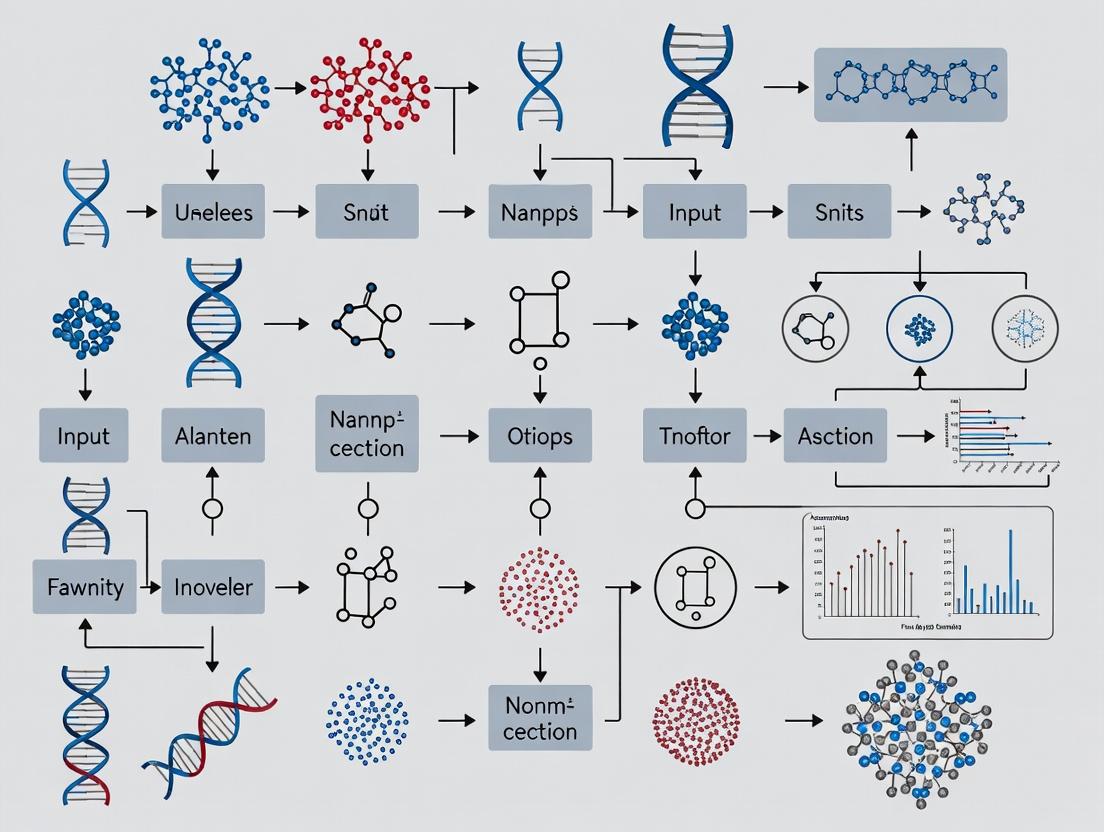
This comprehensive article explores the cutting-edge field of DNA origami as a construction platform for molecular machines.
DNA Origami Nanomachines: Engineering Molecular Robots for Biomedical Innovation
Abstract
This comprehensive article explores the cutting-edge field of DNA origami as a construction platform for molecular machines. We delve into foundational principles, from the molecular recognition of DNA base pairing to the design of dynamic nanostructures. The core focuses on methodological workflows for creating functional nanorobots, including actuation mechanisms and cargo loading, with detailed troubleshooting for yield and stability. Finally, we evaluate validation techniques and compare DNA origami machines to alternative nanotechnology platforms, providing researchers and drug development professionals with a practical guide to current capabilities and future clinical translation.
From Blueprint to 3D Nano-Shape: The Core Principles of DNA Origami Design
Within the broader thesis of DNA origami for molecular machine construction, this document details the foundational principles and practical protocols for exploiting Watson-Crick base pairing (A-T, G-C) as a programmable "molecular Lego" system. The precise, predictable, and reversible nature of these interactions enables the hierarchical self-assembly of complex 2D and 3D nanostructures, which serve as chassis for integrating dynamic components like aptamers, nanoparticles, and proteins. These constructs are pivotal for next-generation applications in targeted drug delivery, biosensing, and synthetic molecular machinery.
Foundational Quantitative Data on DNA Self-Assembly
Table 1: Thermodynamic Parameters for DNA Hybridization (Typical Values)
| Parameter | Description | Typical Value/Range | Notes |
|---|---|---|---|
| ΔG° (37°C) | Free energy change for duplex formation | -1 to -2 kcal/mol per base pair | Depends on sequence, length, and salt concentration. |
| Tm | Melting temperature | ~50-90°C | For a 20-mer, calculated via Nearest-Neighbor method. |
| Hybridization Rate (k) | Second-order rate constant | ~10^5 - 10^6 M^-1s^-1 | Highly dependent on sequence complexity and length. |
| Persistence Length | Structural stiffness of dsDNA | ~50 nm | Key for modeling structural rigidity in origami. |
| Helical Rise per bp | Distance along helix axis | 0.332 nm (B-DNA) | Critical for geometric design. |
| Helical Twist per bp | Rotation per base pair | ~34.3° (B-DNA) | Enables controlled angular placement of components. |
Table 2: Comparison of Common DNA Nanostructure Scaffolds
| Scaffold Type | Source | Length (nt) | Common Use | Key Advantage |
|---|---|---|---|---|
| M13mp18 | Viral genome | 7249 or 8064 | 2D/3D origami | Single-stranded, well-characterized, high yield. |
| p7249 | Plasmid-derived | 7249 | Large origami | Consistent quality from commercial synthesis. |
| p8064 | Plasmid-derived | 8064 | Very large structures | Longer scaffold for increased complexity. |
| Custom Scaffold | PCR/Ligation | Variable (100-10k) | Custom shapes | Flexibility in design for specific applications. |
Detailed Protocols
Protocol 3.1: Standard DNA Origami Folding
Objective: Assemble a rectangular 2D DNA origami structure from a single-stranded scaffold and complementary staple strands. Materials: See "The Scientist's Toolkit" (Section 6). Procedure:
- Mix Folding Solution: In a 1.5 mL microcentrifuge tube, combine:
- 10 nM M13mp18 scaffold (10 µL of 100 nM stock)
- 100 nM of each staple strand (10 µL of 1 µM pooled staples)
- 1X Folding Buffer (TAE/Mg2+): Final composition: 40 mM Tris, 20 mM Acetic Acid, 2 mM EDTA, 12.5 mM MgCl2, pH 8.0.
- Nuclease-free water to a final volume of 100 µL.
- Thermal Annealing: Use a thermal cycler with the following program:
- 95°C for 5 min (denaturation)
- Ramp from 90°C to 20°C over 14-16 hours (ramp rate: ~0.1°C/min)
- Hold at 4°C.
- Purification (Optional but Recommended):
- Add 0.5X volume of PEG precipitation solution (15% PEG-8000, 500 mM NaCl in folding buffer).
- Incubate on ice for 30 min.
- Centrifuge at 16,000 x g, 4°C for 30 min.
- Carefully discard supernatant, resuspend pellet in 100 µL of 1X Folding Buffer.
- Characterization: Analyze 5 µL by 2% Agarose Gel Electrophoresis in 0.5X TBE with 11 mM MgCl2, stain with SYBR Gold, and image.
Protocol 3.2: Functionalization with Drug Loads (Doxorubicin Model)
Objective: Intercalate doxorubicin (Dox) into a DNA origami carrier for drug delivery studies. Materials: Purified DNA origami (from Protocol 3.1), Doxorubicin hydrochloride, 10K MWCO centrifugal filters. Procedure:
- Determine Saturation Point: Perform a titration of Dox (0-1 µM) to a fixed concentration of origami (1 nM) in folding buffer. Monitor fluorescence quenching of Dox (Ex/Em: 480/590 nm) to find the saturation ratio.
- Loading: Mix purified origami (5 nM) with Dox at the determined saturation molar ratio (typically 1-2 Dox per 3 base pairs).
- Incubation: Incubate in the dark at room temperature for 4 hours.
- Purification: Use a 10K MWCO centrifugal filter to remove unbound Dox. Wash 3x with folding buffer (400 µL per wash).
- Quantification: Measure absorbance at 260 nm (DNA) and 480 nm (Dox). Calculate loading efficiency using Dox extinction coefficient (ε₄₈₀ = 11,500 M⁻¹cm⁻¹).
Visualization of Workflows & Pathways
Title: DNA Origami Assembly and Functionalization Workflow
Title: Targeted Drug Delivery Pathway via DNA Origami
Key Application Notes
- Stability in Physiological Conditions: For in vivo applications, consider coating origami with PEG or lipid bilayers to reduce nuclease degradation and immune recognition. Folding buffer Mg2+ concentration (> 5 mM) is critical for structural integrity.
- Addressability: The predictable positioning of staple strand extensions allows for orthogonal functionalization with multiple, distinct cargoes (e.g., drugs, targeting antibodies, fluorescent dyes) on a single origami with nanometer precision.
- Scalability & Yield: Using a 10-100-fold excess of staple strands to scaffold typically yields >70% correctly folded structures. Scaling reaction volumes beyond 500 µL may require optimization of annealing ramp times.
- Quality Control: Always verify assembly yield and integrity via Agarose Gel Electrophoresis (AGE) and/or Transmission Electron Microscopy (TEM) before functional experiments. AFM is suitable for 2D structures.
The Scientist's Toolkit
Table 3: Essential Research Reagent Solutions
| Item | Function/Description | Example Product/Catalog # (if applicable) |
|---|---|---|
| M13mp18 Scaffold | Long, single-stranded DNA (7249 nt) serving as the structural backbone. | NEB N4040 (or prepared from phage) |
| Staple Strand Oligos | 200-250 short synthetic DNA strands (20-60 nt) that fold the scaffold via complementary base pairing. | Custom ordered, pooled from IDT, etc. |
| TAE/Mg2+ Buffer | Folding buffer providing ionic strength and Mg2+ cations essential for stabilizing DNA duplexes and shapes. | 40 mM Tris, 20 mM Acetate, 2 mM EDTA, 12.5 mM MgCl2, pH 8.0. |
| PEG Precipitation Solution | Purifies folded origami from excess staples and salts by selective precipitation. | 15% PEG-8000, 500 mM NaCl in 1X TAE/Mg2+. |
| SYBR Gold Nucleic Acid Stain | High-sensitivity fluorescent gel stain for visualizing DNA nanostructures in AGE. | Invitrogen S11494 |
| 10K MWCO Amicon Filters | Concentrate and purify origami constructs, remove unbound small molecules (e.g., drugs). | Millipore UFC501024 |
| Thermal Cycler with High Ramp Control | For precise execution of the slow thermal annealing protocol critical for correct folding. | Any model with programmable slow ramps (0.1°C/min). |
| Transmission Electron Microscope (TEM) | High-resolution imaging for structural validation of 2D/3D origami. | Requires negative staining (uranyl acetate). |
Within the broader thesis on DNA origami for molecular machine construction, the fundamental folding methodology—relying on a long, single-stranded scaffold DNA and numerous short staple strands—requires critical re-examination. While this paradigm has enabled the construction of intricate static and dynamic nanostructures for drug delivery and sensing, its efficiency, cost, and applicability for complex molecular machines are not fully optimized. This document deconstructs the scaffold-versus-staples approach, providing application notes and protocols to guide researchers in evaluating and selecting optimal fabrication strategies.
Quantitative Comparison: Scaffold vs. Alternative Folding Methods
Table 1: Performance Metrics of DNA Origami Folding Methodologies
| Parameter | Standard Scaffold/Staples | Single-Stranded Tiles (SST) | DNA Bricks | Scaffold-Free Multi-Strand |
|---|---|---|---|---|
| Typical Yield (%) | 50-90 | 20-60 | 10-40 | 30-70 |
| Assembly Time (hrs) | 1-24 (often ~2) | 12-72 | 24-72 | 2-12 |
| Optimal Temp. Range (°C) | 45-60 → 20-25 (Annealing) | 70 → 25 (Slow Annealing) | 70 → 25 (Very Slow) | 37-50 (Isothermal) |
| Cost per Structure (Rel.) | Medium-High | Low | Low | Medium |
| Design Flexibility | High (Shape-Guided) | Very High (Modular) | Extremely High (Voxel) | High |
| Typical Size (nm) | 50-150 | 20-50 | 10-100 | 10-60 |
| Ease of Functionalization | High (Staple Modification) | Medium | High (Brick Modification) | Medium |
| Structural Rigidity | High | Medium | Medium-Low | Variable |
Core Protocols
Protocol 3.1: Standard One-Pot Scaffold/Staples Annealing
Objective: To fold a target 2D or 3D DNA origami structure using the canonical M13mp18 scaffold. Materials: See "The Scientist's Toolkit" (Section 5). Procedure:
- Mix Preparation: In a thin-walled PCR tube, combine:
- 10 nM M13mp18 scaffold (7249 nt).
- 100 nM of each staple strand (in excess).
- 1X Folding Buffer (5 mM Tris, 1 mM EDTA, 5 mM NaCl, 20 mM MgCl₂, pH 8.0).
- Nuclease-free water to a final volume of 50 µL.
- Thermal Annealing: Place tube in a thermal cycler. Run the following program:
- 80°C for 5 min (denaturation).
- Ramp from 65°C to 40°C at -1°C per 60 min (slow annealing).
- Hold at 4°C indefinitely.
- Purification (Agarose Gel Electrophoresis):
- Prepare a 1.5% agarose gel in 0.5X TBE buffer supplemented with 11 mM MgCl₂.
- Add 6X Mg²⁺-compatible loading dye to 10 µL of annealed product.
- Run gel at 70 V for 90-120 min at 4°C.
- Excise the band corresponding to the correctly folded structure.
- Purify using a crush-and-soak method or a commercial gel extraction kit adapted for large DNA.
- Characterization: Analyze purified product via TEM or AFI imaging.
Protocol 3.2: Isothermal Folding for Kinetic Analysis
Objective: To assess folding kinetics and yield under constant temperature, reducing process time. Procedure:
- Prepare Master Mix as in Protocol 3.1, Step 1.
- Directly incubate the mixture at a constant 50°C for 4 hours.
- Immediately cool and hold at 4°C.
- Analyze yield via gel electrophoresis (as in 3.1, Step 3) compared to a thermally annealed control.
Visualizing Methodological Pathways & Workflows
Diagram Title: DNA Origami Method Selection Workflow
Diagram Title: Staple Strand Functional Roles in Folding
The Scientist's Toolkit
Table 2: Essential Research Reagent Solutions
| Reagent/Material | Function & Role in Methodology |
|---|---|
| M13mp18 Scaffold DNA | The long (7249 nt), circular, single-stranded DNA that forms the structural backbone of the origami. |
| Custom Staple Oligonucleotides | Short (20-60 nt) DNA strands designed to hybridize to specific scaffold segments, folding it into the target shape. |
| High-Purity MgCl₂ Solution | Critical divalent cation source (10-20 mM final conc.). Stabilizes DNA duplexes and promotes folding by shielding negative charges. |
| TAE/TBE-Mg²⁺ Buffer | Modified electrophoresis buffer containing Mg²⁺. Maintains origami structural integrity during gel purification. |
| SYBR Gold Nucleic Acid Stain | Ultrafaint, Mg²⁺-compatible fluorescent stain for visualizing DNA origami bands in agarose gels. |
| Transmission Electron Microscope (TEM) Grids (Carbon Film) | Substrate for high-resolution imaging of purified DNA origami structures. |
| PCR Thermal Cycler | Provides precise, programmable temperature control for thermal annealing ramp protocols. |
| Monovalent Salt (NaCl/KCl) | Used at low concentration (5-100 mM) in folding buffer to fine-tune electrostatic interactions. |
Application Notes: Dynamic DNA Origami Mechanisms
The transition from static nanostructures to dynamic molecular machines represents the forefront of DNA origami research. These engineered components are critical for creating systems capable of sensing, computation, and actuation at the nanoscale, with direct implications for targeted drug delivery and diagnostic devices.
Key Dynamic Motifs:
- Hinges: Enable controlled angular displacement between rigid DNA origami panels. Motion is typically actuated by strand displacement or environmental cues (pH, ions).
- Switches: Bistable or multi-state elements that reconfigure between defined structural states, often used for signal propagation or cargo capture/release.
- Rotors and Crankslides: Facilitate rotational or linear motion, translating chemical energy into mechanical work, potentially driven by nucleic acid hybridization or enzymatic activity.
Therapeutic Applications: Dynamic DNA origami machines can function as logic-gated drug dispensers, where specific biomarker combinations trigger a conformational change to expose or release a therapeutic payload. They also serve as precise force sensors for studying receptor-ligand interactions on cell surfaces.
Table 1: Performance Metrics of Common Dynamic DNA Origami Motifs
| Motif Type | Actuation Method | Response Time (avg.) | Angular/Linear Displacement | Switching Fidelity | Ref. |
|---|---|---|---|---|---|
| 2-Panel Hinge | Toehold-mediated Strand Displacement | 5-15 min | 0-180° | >90% | [1] |
| Piston/Crankslide | pH-induced i-motif folding | < 2 min | ~7 nm stroke | ~85% | [2] |
| Rotor | Gold nanoparticle heating (NIR) | < 1 sec | 360° continuous | N/A | [3] |
| Bistable Switch | Antagonist strand competition | 10-30 min | Two distinct states | >95% | [4] |
| Allosteric Nanoswitch | Protein/ligand binding | 1-5 min | Conformational shift | ~80% | [5] |
Table 2: Cargo Loading & Triggered Release Efficiencies
| Cargo Type | Loading Method (onto dynamic machine) | Trigger Mechanism | Reported Release Efficiency in vitro | Target Application |
|---|---|---|---|---|
| Doxorubicin | Intercalation | pH-induced machine opening | ~75% (pH 5.0 vs 7.4) | Cancer Therapy |
| siRNA | Complementary tethering | UV-cleavable linker photolysis | ~90% | Gene Silencing |
| Protein (Antibody) | Streptavidin-biotin bridge | Antigen displacement | ~70% | Immunotherapy |
| Gold Nanoparticle | Thiol conjugation | Competitive strand displacement | >95% | Photothermal |
Experimental Protocols
Protocol 1: Construction and Characterization of a Toehold-Actuated DNA Origami Hinge Objective: Assemble a two-panel hinge and characterize its angle distribution before and after actuation via strand displacement.
- Annealing: Mix 10 nM scaffold strand (M13mp18) with a 10x molar excess of each staple strand (including hinge-region and lock staples) in folding buffer (5 mM Tris, 1 mM EDTA, 20 mM MgCl2, pH 8.0). Perform a thermal ramp: 65°C to 45°C at -1°C/5 min, then to 20°C at -1°C/30 min.
- Purification: Use Amicon 100k MWCO centrifugal filters to remove excess staples. Wash 3x with 500 µL of assay buffer (1x TBE, 11 mM MgCl2).
- Initial State Imaging (Locked): Dilute purified sample to 1 nM. Adsorb to glow-discharged carbon-coated EM grids, stain with 2% uranyl formate. Image via transmission electron microscopy (TEM). Use angle measurement software (e.g., AngleJ in ImageJ) to analyze >100 particles.
- Actuation: Add 50x molar excess of fuel strands (toehold sequence complementary to lock strands) to the sample. Incubate at 25°C for 60 minutes.
- Final State Imaging (Unlocked): Purify the reacted sample using a spin column to remove fuel strands and displaced locks. Image and analyze as in step 3. Compare angle histograms.
- Validation: For bulk validation, perform a FRET assay by labeling hinge panels with donor (Cy3) and acceptor (Cy5) dyes. Monitor fluorescence change upon fuel addition.
Protocol 2: Testing a pH-Responsive DNA Origami Nanoswitch for Drug Release Objective: Quantify the triggered release of intercalated doxorubicin (Dox) from an i-motif-based dynamic device.
- Machine Assembly & Loading: Assemble the pH-responsive device per Protocol 1, step 1. Incubate 1 µM of the purified structure with 50 µM Dox in assay buffer (pH 7.4) for 24h at 4°C in the dark.
- Purification of Loaded Machine: Remove free Dox using a size-exclusion spin column (e.g., Illustra MicroSpin G-50) pre-equilibrated with pH 7.4 buffer.
- Release Trigger: Split the sample. Adjust one aliquot to pH 5.0 using 100 mM sodium acetate buffer. Maintain the other at pH 7.4 as control. Incubate at 37°C.
- Kinetic Measurement: At time points (0, 5, 15, 30, 60, 120 min), separate the machine from released Dox via rapid spin filtration. Measure the fluorescence of the filtrate (Dox ex/em: 480/590 nm).
- Data Analysis: Calculate cumulative release percentage against a Dox standard curve. Plot release kinetics for pH 5.0 vs. 7.4.
Diagrams
Diagram 1: Toehold-Mediated Hinge Actuation Workflow
Diagram 2: pH-Triggered Drug Release Signaling Pathway
The Scientist's Toolkit
Table 3: Essential Research Reagent Solutions for Dynamic DNA Origami
| Item | Function / Description | Key Consideration |
|---|---|---|
| M13mp18 Phage DNA | The standard ~7249 nt single-stranded DNA scaffold for most 2D/3D origami. | High purity, concentration accuracy is critical for assembly yield. |
| Chemically Modified Staples | Oligonucleotides with dyes (Cy3, Cy5), biotin, thiol groups for labeling, tracking, and surface immobilization. | HPLC purification required; location of modification affects function. |
| High-Stability Folding Buffers | Typically contain Tris, EDTA, and 10-20 mM Mg2+. Mg2+ concentration is the key variable for structural integrity. | Must be optimized for each new design; affects annealing efficiency and thermal stability. |
| Ultrafiltration Units (100k MWCO) | For purifying assembled structures from excess staple strands and buffers. | Size cutoff must be appropriate; high Mg2+ buffers can reduce recovery. |
| Transmission Electron Microscopy (TEM) Grids | Carbon-coated grids for adsorbing and imaging nanostructures. | Glow discharge treatment improves adsorption and distribution. |
| Uranyl Formate Stain (2%) | Negative stain for visualizing DNA origami under TEM. | Fresh preparation is crucial for low background and high contrast. |
| Fuel/Trigger Strands | Specifically designed oligonucleotides or chemical agents (e.g., protons for pH systems) to initiate motion. | Kinetics are dependent on concentration, toehold length, and temperature. |
| Real-time PCR / Fluorometer | For monitoring FRET changes or dye-labeled strand displacement in bulk solution during actuation. | Enables kinetic studies beyond single-point imaging techniques. |
Key Software and Tools for Molecular Modeling and Design (caDNAno, oxDNA)
Within the broader thesis on DNA origami for molecular machine construction, the selection and application of specialized software tools are critical. This document provides detailed application notes and protocols for two cornerstone platforms: caDNAno for scaffolded DNA origami design and oxDNA for coarse-grained simulation and analysis. Their integrated use enables the transition from static nanostructure design to dynamic molecular machine prototyping, a core requirement for research in targeted drug delivery and nanoscale robotics.
caDNAno: Design and Blueprinting
Application Notes
caDNAno is an open-source software package essential for the initial design phase of DNA origami structures. It provides a graphical interface for routing the long single-stranded DNA scaffold (typically the 7249-nucleotide M13mp18 genome) through a user-defined two-dimensional or three-dimensional shape using short "staple" strands. Its primary role in molecular machine research is to create the precise geometric blueprint that dictates the final folded structure, including placement of functional elements like attachment sites for proteins or nanoparticles.
Key Quantitative Features:
| Feature | Specification | Relevance to Molecular Machines |
|---|---|---|
| Helix Bundle Grid | 2D (honeycomb, square) & 3D | Determines structural rigidity and internal cavity size. |
| Base Pair Step | ~0.33 nm per nucleotide | Critical for positioning components with nanoscale accuracy. |
| Default Scaffold | M13mp18 (7249 nt) | Standardized design basis; other scaffolds (e.g., p8064) can be imported. |
| Staple Length Range | Typically 16-60 nt | Balances binding specificity and synthesis cost. Functional handles can be extended. |
Detailed Protocol: Designing a Hinged Nanomechanism
Objective: Create a two-arm DNA origami hinge structure capable of motion upon a chemical trigger.
Materials & Reagent Solutions:
| Item | Function |
|---|---|
| caDNAno Software (v2.4.1+) | Primary design environment for routing scaffold and staples. |
| M13mp18 Scaffold Sequence (.csv) | The long, single-stranded DNA template for folding. |
| Staple Strand List (Output) | Custom oligonucleotides synthesized to fold the scaffold. |
| NUPACK or Oligonucleotide Calculator | Validates staple sequences and checks for cross-hybridization. |
Procedure:
- Launch and Grid Selection: Open caDNAno and select a "Square" lattice for simplicity in creating planar arms.
- Helix Bundle Definition: Create two separate bundles of 4 helices each, representing the two arms of the hinge. Leave a 1-helix gap between bundles to serve as the flexible joint region.
- Scaffold Routing: Using the auto-routing tool, guide the virtual M13 scaffold through all helices in a continuous path, ensuring it traverses from one arm, through the joint gap, and into the second arm. The software will automatically create "crossovers" to switch the scaffold between adjacent helices.
- Staple Assignment: Generate staple strands by clicking "Auto-staple." The software will populate the design with complementary oligonucleotides that bridge the scaffold path.
- Joint Engineering: In the 1-helix gap, manually edit staples so that no crossovers occur. Create single-stranded DNA (ssDNA) regions (e.g., by deleting staple segments) at the junction to act as flexible linkers. Alternatively, define specific staple sequences to be replaced with trigger-responsive sequences (e.g., containing a toehold for strand displacement).
- Functionalization: Extend specific staple sequences at predefined locations on the arms to create 5' or 3' overhangs. These "handle" sequences will later conjugate with functional molecules (e.g., fluorescence quencher/donor pairs for motion detection).
- Export and Validation: Export the staple sequence list as a
.csvfile. Input this list into sequence analysis software (e.g., NUPACK) to check for dimerization or hairpin formation that could hinder assembly.
Diagram Title: caDNAno Design Workflow for a DNA Origami Machine
oxDNA: Simulation and Analysis
Application Notes
oxDNA is a coarse-grained molecular dynamics simulation package explicitly parameterized for nucleic acids. It represents nucleotides as rigid bodies with interaction sites for backbone, stacking, and hydrogen bonding. For molecular machine research, it is indispensable for predicting the folding pathway, final 3D structure, thermodynamics, and dynamics of caDNAno-designed models. It can simulate processes like hinge bending, strand displacement actuation, and payload release.
Key Quantitative Performance Data:
| Simulation Aspect | oxDNA2 (Current) | Relevance to Machine Design |
|---|---|---|
| Time Step | 0.001-0.02 simulation units (~1.5 fs) | Governs simulation stability and speed. |
| Typical System Size | 1,000 - 50,000 nucleotides | Handles large origami structures. |
| Simulation Speed | ~10^6 nucleotides * steps / day (CPU) | Allows microsecond-scale dynamics on feasible timescales. |
| Key Outputs | Energy, RMSD, Base Pairing, Forces | Quantifies stability, conformational change, and mechanical stress. |
Detailed Protocol: Simulating Hinge Dynamics
Objective: Simulate the closing motion of the caDNAno-designed hinge and quantify its energy landscape.
Materials & Reagent Solutions:
| Item | Function |
|---|---|
| oxDNA Software Suite (oxDNA2) | Contains oxDNA, oxView, analysis tools. |
| caDNAno Design File (.json) | The blueprint of the structure. |
tacoxDNA Conversion Script |
Converts caDNAno .json files to oxDNA configuration/topology. |
| Pre-equilibrated Scaffold File | Provides correct ssDNA conformation for the M13 sequence. |
| High-Performance Computing (HPC) Cluster | Required for production MD runs of large systems. |
Procedure:
- Model Conversion:
- Use the
tacoxDNAscript to convert the caDNAno.jsonfile:python tacoxDNA.py -i hinge_design.json -o hinge_initial. - This generates
hinge_initial.dat(topology) andhinge_initial.conf(initial coordinates).
- Use the
- System Preparation & Minimization:
- Use
oxDNAto run a steepest descent energy minimization:oxDNA input_min. - Input_min file key parameters:
interaction_type = DNA2; topology = hinge_initial.dat; conf_file = hinge_initial.conf; energy_minimization = steepest_descent.
- Use
- Equilibration MD Run:
- Perform a slow annealing or constant-temperature MD run to relax the structure.
- Run:
oxDNA input_eq. - Input_eq key parameters:
steps = 1e7; print_conf_interval = 1e5; print_energy_interval = 1e4; temperature = 300K (0.1 in simulation units).
- Production Run for Dynamics:
- Simulate the hinge motion. If a trigger strand is modeled, introduce it during this step via a modified topology file.
- Run:
oxDNA input_md. - Extract trajectory files for analysis.
- Analysis:
- Angle Measurement: Use a custom analysis script to calculate the angle between the two arms over time from the trajectory.
- Energy Analysis: Plot total, bond, and hydrogen-bonding energy using output files.
- Visualization: Use
oxView(web or local) to render the trajectory and create videos of the motion.
Diagram Title: oxDNA Simulation Pipeline for Dynamics
Integrated Workflow for Molecular Machine Development
The synergy between caDNAno and oxDNA forms a closed design-build-test cycle in silico. A successful workflow involves iterative passes: a design in caDNAno is simulated in oxDNA, which reveals structural flaws or undesired flexibility, informing a redesign in caDNAno. This iterative loop drastically reduces experimental cost and time in the wet-lab construction of functional molecular machines, such as those intended for drug encapsulation and triggered release.
Key Integrated Quantitative Output:
| Metric | Tool for Prediction | Experimental Validation |
|---|---|---|
| Folding Yield | oxDNA (via pathway analysis) | Native PAGE / Agarose Gel |
| 3D Structure | oxDNA (Average Configuration) | Cryo-EM / AFM |
| Activation Energy | oxDNA (Umbrella Sampling) | Single-Molecule FRET Kinetics |
| Mechanical Stiffness | oxDNA (Fluctuation Analysis) | Optical Tweezers |
Diagram Title: Iterative Design-Simulate-Test Cycle for DNA Machines
Within the broader thesis on constructing functional molecular machines via DNA origami, precise control over the self-assembly process is paramount. The fidelity, yield, and structural integrity of DNA origami nanostructures are critically dependent on the annealing protocol and the ionic environment. This application note details optimized protocols and quantitative insights into managing these parameters to achieve reliable construction of components for molecular machinery.
Table 1: Impact of Thermal Annealing Ramp Rates on Assembly Yield
| Annealing Ramp Rate (°C/hr) | Typical Yield (%) (24-helix bundle) | Structural Fidelity (Qualitative) | Recommended Use Case |
|---|---|---|---|
| Rapid (60) | 30-50 | Low; increased misfolding | Screening protocols |
| Standard (10-15) | 70-85 | High | General fabrication |
| Slow (1-5) | 85-95+ | Very High | Critical components |
| Ultra-slow (<1) | 90-98 | Exceptional | Large (>10k nt) or complex machines |
Table 2: Effects of Ionic Conditions on Assembly Stability
| Ionic Component | Typical Concentration Range | Primary Function | Effect of Deviation |
|---|---|---|---|
| Mg²⁺ | 10-20 mM | Neutralizes phosphate backbone repulsion; critical for folding. | <10 mM: Poor yield, unstable structures. >30 mM: Can promote aggregation. |
| Na⁺ | 5-100 mM | Provides ionic strength; can substitute for Mg²⁺ at higher concentrations. | Higher [Na⁺] allows lower [Mg²⁺]; modulates electrostatic screening. |
| EDTA | 0-1 mM | Chelates divalent contaminants. | >1 mM may chelate essential Mg²⁺, inhibiting assembly. |
| Tris/HCl Buffer | 5-40 mM (pH 7.5-8.5) | Maintains pH. | Low pH (<7.0) can destabilize hybridization. |
Detailed Experimental Protocols
Protocol 3.1: Standardized Thermal Annealing for DNA Origami
Objective: To assemble a staple-based DNA origami structure (e.g., a 6-helix bundle or rotor component) with high yield. Materials:
- Scaffold strand (e.g., M13mp18, 7249 nt).
- Staple strand mix (in equimolar ratio, typically 50-200 nM each relative to scaffold).
- Folding Buffer: 20 mM Tris, 5 mM Tris-HCl (pH 8.0), 1 mM EDTA, 12.5 mM MgCl₂.
- Thermocycler or programmable heat block. Procedure:
- Mix Assembly: Combine scaffold strand (10 nM final concentration) with staple strand mix (at 10x molar excess per staple) in Folding Buffer.
- Thermal Annealing: Use the following program:
- 80°C for 5 minutes (denaturation).
- Ramp from 80°C to 60°C at a rate of -1°C per 5 minutes (1°C/5min).
- Ramp from 60°C to 24°C at a rate of -1°C per 15 minutes (1°C/15min).
- Hold at 4°C.
- Purification: Purify assembled structures using ultrafiltration (100 kDa MWCO) or agarose gel electrophoresis to remove excess staples.
- Analysis: Verify assembly via 2% agarose gel electrophoresis (0.5x TBE, 11 mM MgCl₂) stained with SYBR Safe or by Atomic Force Microscopy (AFM).
Protocol 3.2: Optimization of Mg²⁺ Concentration
Objective: To empirically determine the optimal Mg²⁺ concentration for a new origami design. Materials: As in Protocol 3.1, with a series of folding buffers containing MgCl₂ at 5, 10, 12.5, 15, 18, and 25 mM. Procedure:
- Set up six identical assembly mixtures, differing only in the Mg²⁺ concentration of the folding buffer.
- Subject all samples to the Standardized Thermal Annealing protocol (Protocol 3.1).
- Analyze each sample by agarose gel electrophoresis under identical conditions.
- Quantify band intensity corresponding to correctly assembled origami versus misfolded aggregates or scaffold using gel analysis software (e.g., ImageJ). The condition with the brightest, sharpest monomer band and minimal smear/aggregate is optimal.
Visualization Diagrams
Diagram Title: Thermal Annealing Protocol Workflow
Diagram Title: Ionic Screening Effects on DNA Folding
The Scientist's Toolkit: Research Reagent Solutions
Table 3: Essential Materials for DNA Origami Assembly
| Item | Function | Example Product/Specification |
|---|---|---|
| Scaffold DNA | Long, single-stranded DNA serving as the structural template. | M13mp18 phage DNA (7249 nt), p7560 scaffold. |
| Staple Oligonucleotides | Short, complementary strands that fold the scaffold via specific hybridization. | HPLC- or PAGE-purified, 30-60 nt in length. |
| MgCl₂ Solution | Source of Mg²⁺ ions; critical for stabilizing folded structure. | Molecular biology grade, 1M stock solution. |
| Tris-EDTA (TE) Buffer | Standard buffer for nucleic acid storage and dilution. | 10 mM Tris-HCl, 0.1-1 mM EDTA, pH 8.0. |
| Filtration Device | For buffer exchange and removal of excess staples. | Amicon Ultra centrifugal filters (100 kDa MWCO). |
| Agarose | For analytical gel electrophoresis of assembled nanostructures. | High-purity, low EEO agarose. |
| Fluorescent Nucleic Acid Stain | For visualizing DNA in gels. | SYBR Safe, GelGreen. |
| Programmable Thermocycler | For precise execution of thermal annealing ramps. | Any model with slow ramp capability (<0.1°C/sec). |
Building Functional Nanorobots: Step-by-Step Assembly and Biomedical Applications
This document details the core experimental workflow for constructing DNA origami nanostructures, a foundational technology for building molecular machines. Within a thesis on DNA origami for molecular machine construction, the robustness, yield, and purity of the self-assembled structures are paramount. The workflow outlined here—from in silico design to physical purification—ensures the production of high-fidelity nanostructures that can serve as chassis, scaffolds, or components for integrating dynamic elements like aptamers, nanoparticles, or enzymes.
Detailed Application Notes and Protocols
Stage 1: Sequence Design and Scaffold Preparation
- Objective: To generate the necessary DNA sequences for the target structure and prepare the primary scaffold strand.
- Protocol:
- Design: Use design software (e.g., caDNAno, vHelix, Adenita) to map the folding of a long, single-stranded scaffold DNA (typically M13mp18, 7249 or 8064 bases) into the desired 2D or 3D shape using short staple strands (~20-60 bases).
- Staple Ordering: Chemically synthesize staple strands via standard oligonucleotide synthesis. Purify staples using standard desalting for simple structures; for critical applications or long staples, use PAGE or HPLC purification.
- Scaffold Source: Commercially available M13mp18 phage-derived DNA is the standard. Amplify and purify it using established bacteriophage culture and purification kits (e.g., PEG precipitation, column-based purification) if large quantities are needed.
Stage 2: Self-Assembly Annealing
- Objective: To facilitate the hybridization of staple strands to the scaffold in a precise, one-pot reaction.
- Protocol:
- Master Mix: Combine scaffold strand (typically at ~10 nM final concentration) with a 5-10x molar excess of each staple strand in a folding buffer containing: 5-20 mM Tris, 1-20 mM MgCl₂ (critical for structural integrity), and 1 mM EDTA. Mg²⁺ concentration is structure-dependent.
- Thermal Annealing: Use a precise thermal cycler. A standard ramp: Heat to 65-80°C for 5-15 minutes to denature, then slowly cool to 4°C over 1-16 hours (e.g., -0.1°C to -1°C per minute). Slow ramps improve yield for complex structures.
- Storage: Post-annealing, structures are often stored at 4°C for immediate use or at -20°C for long-term storage.
Stage 3: Purification & Analysis
Purification removes excess staples, misfolded aggregates, and salts, which is critical for downstream functionalization and molecular machine operation.
Protocol A: Agarose Gel Electrophoresis (AGE)
- Objective: To separate correctly folded DNA origami from misfolded structures and excess staples based on size and shape.
- Detailed Methodology:
- Gel Preparation: Prepare a 0.5-2.0% agarose gel in 0.5x TBE buffer supplemented with 10-15 mM MgCl₂ (Mg-AGE). The Mg²⁺ prevents structure denaturation.
- Sample Loading: Mix the annealed sample with a Mg²⁺-compatible loading dye (e.g., with sucrose or Ficoll). Do not use EDTA-based dyes.
- Electrophoresis: Run at 70-100 V for 60-90 minutes in a cold room (4-8°C) with circulating 0.5x TBE + MgCl₂ buffer.
- Extraction: Excise the band under blue-light transillumination (with SYBR Safe or GelGreen stain). Recover the origami using electroelution, freeze-squeeze, or commercial gel extraction kits modified with Mg²⁺-containing elution buffers.
Protocol B: Polyethylene Glycol (PEG) Precipitation
- Objective: To selectively precipitate larger DNA origami structures while leaving short staple strands in solution.
- Detailed Methodology:
- Precipitant Addition: To the annealed mixture, add PEG 8000 and NaCl to final concentrations of 5-10% (w/v) and 200-400 mM, respectively. Mix thoroughly.
- Incubation: Incubate on ice for 30-60 minutes or at 4°C overnight.
- Pellet Collection: Centrifuge at >16,000 x g for 30-45 minutes at 4°C to pellet the origami.
- Wash and Resuspend: Carefully discard the supernatant containing staples. Wash the pellet gently with a cold buffer containing lower PEG concentration (e.g., 2.5%). Resuspend the pellet in the desired folding or storage buffer.
Protocol C: Size Exclusion Chromatography (SEC)
- Objective: To achieve high-purity, buffer-exchanged samples based on hydrodynamic volume.
- Detailed Methodology:
- Column Selection: Use a preparative SEC column with an appropriate separation range (e.g., Sephacryl S-400, Sepharose CL-4B, or commercial HPLC SEC columns).
- Equilibration: Equilibrate the column with at least 2 column volumes of the desired storage/buffer (with Mg²⁺).
- Sample Application: Concentrate the sample (via centrifugal concentrators if needed) to a small volume (<2% of column volume). Load carefully.
- Fraction Collection: Elute with buffer and collect fractions. The first peak (void volume) contains the purified origami. Analyze fractions via AGE or UV-Vis. Pool clean fractions and concentrate.
Data Presentation: Purification Method Comparison
Table 1: Comparison of DNA Origami Purification Methods
| Method | Principle | Typical Yield | Time Required | Key Advantage | Key Limitation | Best For |
|---|---|---|---|---|---|---|
| Mg-AGE | Size/Shape Separation | 40-70% | 3-5 hours | Excellent separation of folded vs. misfolded; analytical & preparative. | Low-to-medium throughput; manual gel extraction. | High-purity demands; complex mixtures; analytical validation. |
| PEG Precipitation | Solubility Differential | 60-90% | 1-2 hours | High-throughput; scalable; simple; staple removal. | Less effective for aggregated/misfolded structures. | Rapid, bulk staple removal post-annealing. |
| SEC | Hydrodynamic Volume | 50-80% | 1-3 hours | Excellent buffer exchange; high purity; gentle on structures. | Lower throughput; sample dilution; equipment cost. | Final polishing step; buffer exchange for sensitive downstream apps. |
Table 2: Typical Reagent Concentrations in DNA Origami Workflow
| Reagent | Annealing Buffer | Mg-AGE Buffer | PEG Precipitation | Function |
|---|---|---|---|---|
| Tris-HCl (pH 8.0) | 5-20 mM | 44.5 mM (in 0.5x TBE) | Optional in resuspension | pH stabilization. |
| MgCl₂ | 10-20 mM (Critical) | 10-15 mM (Critical) | Not required | Mediates electrostatic repulsion; stabilizes structure. |
| EDTA | 1 mM | 1 mM (in 0.5x TBE) | Avoid | Chelates divalent cations; prevents nuclease activity. |
| NaCl | 0-100 mM | 44.5 mM (in 0.5x TBE) | 200-400 mM (Critical) | Modulates hybridization stringency; aids in PEG precipitation. |
| PEG 8000 | Not used | Not used | 5-10% (w/v) (Critical) | Excludes volume, precipitating large origami structures. |
Visualization of Workflows and Relationships
Title: DNA Origami Synthesis and Purification Workflow
Title: Purification Method Decision Tree
The Scientist's Toolkit: Essential Research Reagents & Materials
Table 3: Key Research Reagent Solutions for DNA Origami Workflow
| Item | Function & Rationale |
|---|---|
| M13mp18 Scaffold DNA | The long (7249/8064 nt), biologically produced single-stranded DNA that forms the structural backbone of the origami. |
| Chemically Synthesized Staple Strands | Short (20-60 nt) oligonucleotides that hybridize to specific scaffold regions, directing its folding into the target shape. |
| Mg²⁺-Containing Folding Buffer (e.g., TAE/Mg²⁺, TBE/Mg²⁺) | Provides the essential divalent cations (Mg²⁺) that shield negative charge repulsion between DNA helices, enabling tight packing and stability. |
| SYBR Safe / GelGreen DNA Stain | Cyanide dye alternatives to ethidium bromide for safe visualization of DNA bands in agarose gels under blue light. |
| PEG 8000 | A crowding agent used in precipitation. It excludes volume, driving the selective precipitation of large origami structures out of solution. |
| Sephacryl S-400 / Sepharose CL-4B Resin | Matrices for size exclusion chromatography, separating origami (large hydrodynamic radius) from staples (small radius) based on their path through the porous beads. |
| Thermal Cycler with High Accuracy | Essential for executing the precise temperature ramps required for controlled, high-yield hybridization and folding of staple strands onto the scaffold. |
| Native Agarose | For preparing gels for Mg-AGE. Its large pore size allows large DNA nanostructures to migrate. Must be used with Mg²⁺ buffers. |
This document details application notes and protocols for three primary actuation strategies within the context of DNA origami molecular machine construction. Precise, reversible control over nanoscale motion is paramount for advancing applications in targeted drug delivery, biosensing, and programmable matter. These protocols are integral to a broader thesis investigating the integration of multiple actuation modalities into a single, addressable DNA origami framework for complex, multi-degree-of-freedom machines.
pH-Responsive Actuation via i-Motif or Triplex DNA
Application Notes: i-Motif structures form from cytosine-rich sequences under acidic conditions (pH < 6.5), while DNA triplexes form with protonated cytosine or guanine. This reversible folding/unfolding is leveraged for conformational switching.
Key Quantitative Data
| Actuator Type | Sequence Motif (Example) | Transition pH (Folding) | Response Time | Force Generated |
|---|---|---|---|---|
| i-Motif | (CCCTAA)₄ | ~6.3 - 6.5 | ~10s - 100s ms | ~5 - 15 pN |
| Triplex DNA | TFO: (GAA)₆ / Duplex: (CTTC)₆ | ~5.5 - 6.0 (CGC⁺) | ~1s - 10s s | ~10 - 25 pN |
Protocol: i-Motif Hinge Actuation Objective: To construct a DNA origami hinge that closes at pH 5.8 and opens at pH 8.0.
- Design: Integrate a 4x CCCC overhang at the vertex of a 2-helix bundle hinge. Use cadnano or similar software.
- Folding: Assemble the origami in 1x TAE buffer with 12.5 mM Mg²⁺ (pH 8.0) via standard thermal annealing ramp.
- Purification: Use 100kD MWCO centrifugal filters to remove excess staples.
- Actuation & Imaging:
- Dilute the purified origami into a series of buffers: Tris-EDTA-Mg (pH 8.0), MES-Mg (pH 6.5), and MES-Mg (pH 5.8).
- Incubate for 5 minutes at each pH for equilibration.
- Deposit 5 µL on a glow-discharged TEM grid, stain with 2% uranyl formate, and image via TEM. Alternatively, use FRET pairs attached to hinge arms for real-time solution-based kinetics (excitation 485 nm, monitor 520 nm and 610 nm channels).
Diagram: pH-Responsive i-Motif Actuation Cycle
Light-Responsive Actuation Using Azobenzene or Photocleavable Groups
Application Notes: Azobenzene (Azo) derivatives undergo trans to cis isomerization under UV light (~365 nm), relaxing back thermally or with blue light (~450 nm). Photocleavable (PC) groups irreversibly break covalent bonds upon UV illumination.
Key Quantitative Data
| Photoswitch | Trigger λ | Reverse λ / Method | Switching Rate (k) | Cycles |
|---|---|---|---|---|
| Azobenzene (Azo) | 365 nm | 450 nm or dark thermal | k_{trans->cis} ~ 0.1 s⁻¹ | > 1000 |
| Photocleavable (PC) | 365 nm | Irreversible | N/A | 1 |
Protocol: Azo-Modified Strand Displacement Actuator Objective: To control DNA hybridization kinetics with light.
- Reagent Prep: Purchase DNA strands with a dSpacer (azobenzene phosphoramidite) inserted internally in the toehold region. Dissolve in nuclease-free water.
- Hybridization: Mix the Azo-strand with its fully complementary strand in equimolar ratio. Anneal from 90°C to 20°C over 45 min in 1x PBS.
- Actuation & Measurement:
- Prepare a solution containing 100 nM Azo-duplex and 200 nM fluorescent reporter complex (quenched FRET or fluor/quencher pair).
- Irradiate sample with 365 nm UV LED (5 mW/cm²) for 2 min to induce trans->cis, destabilizing the duplex.
- Immediately monitor fluorescence increase (e.g., at 520 nm) over 10 minutes as displacement occurs.
- To reset, irradiate with 450 nm blue LED or incubate in the dark for 30 min.
- Fit fluorescence vs. time data to a first-order kinetic model to extract rate constants for light and dark states.
Diagram: Light-Controlled Strand Displacement Workflow
Strand Displacement Actuation for Sequential Motion
Application Notes: Toehold-mediated strand displacement allows predictable, isothermal reconfiguration of DNA structures. It is the cornerstone for implementing chemical logic circuits and sequential actions in molecular machines.
Key Quantitative Data
| Parameter | Typical Range | Impact on Kinetics |
|---|---|---|
| Toehold Length | 3 - 8 nt | Exponential increase in rate with length |
| Invader Concentration | 1x - 10x | Linear increase in observed rate |
| Temperature | 20°C - 37°C | Increases rate, but can destabilize structures |
| Mg²⁺ Concentration | 5 - 20 mM | Optimizes origami stability and hybridization |
Protocol: Multi-Step Origami Arm Rotation Objective: To sequentially rotate an origami arm through 3 positions using fuel strands.
- Design & Folding: Design a rotatable arm attached via a single-stranded scaffold pivot. Include three distinct docking sites (A, B, C) with unique, protected toeholds.
- Purification & Characterization: Purify via agarose gel electrophoresis. Verify initial state (arm at Site A) using TEM or single-particle FRET.
- Sequential Actuation:
- Step 1: Add 5x molar excess of Fuel Strand FAB (complementary to toehold A and displacing domain from Site A). Incubate 15 min at 25°C.
- Step 2: Add 5x excess of Fuel Strand FBC. It binds exposed toehold B, displacing the arm from Site B and allowing docking at Site C.
- Step 3: To reset, add removal strands complementary to the fuel strands, or use a global reset strand that restores the original state.
- Verification: Take aliquots after each step. Analyze by native PAGE (for small constructs) or negative-stain TEM (for origami) to confirm positional distribution.
Diagram: Strand Displacement Logic for Sequential Rotation
The Scientist's Toolkit: Research Reagent Solutions
| Item / Reagent | Function / Role |
|---|---|
| scaffold DNA (p7249 or p8064) | The long, single-stranded DNA template (e.g., M13mp18) for folding the origami structure. |
| Staple Oligonucleotides | 200+ short, complementary DNA strands that hybridize to the scaffold to define the 3D shape. |
| Azobenzene Phosphoramidite | Chemical modifier for incorporating light-sensitive azobenzene groups into DNA strands during synthesis. |
| Photocleavable Spacer (PC) | A phosphoramidite (e.g., NPCP) that creates a UV-cleavable site within an oligonucleotide. |
| TAE/Mg²⁺ Buffer (1x, pH 8.0) | Standard folding buffer (40 mM Tris, 20 mM Acetic acid, 2 mM EDTA, 12.5 mM MgCl₂). |
| MES Buffer (for pH actuation) | Provides stable buffering capacity in the pH 5.5-6.7 range for i-motif/triplex studies. |
| Fluorophore-Quencher Pairs | (e.g., FAM/BHQ1, Cy3/Cy5 for FRET) For real-time monitoring of conformational change or displacement. |
| UV-Vis/ Fluorescence Spectrometer | To quantify DNA concentration (260 nm) and monitor kinetic assays in real time. |
| Programmable Thermal Cycler | For precise annealing of DNA origami structures (temperature ramp from 80°C to 20°C). |
| 100kD MWCO Centrifugal Filters | For purifying assembled origami structures from excess staple strands and salts. |
Application Notes
Context in DNA Origami Molecular Machines
Within the broader thesis on DNA origami for molecular machine construction, the site-specific attachment of functional biomolecules is a critical enabling technology. DNA origami nanostructures provide a programmable, nanoscale scaffold with precise (<5 nm) spatial addressability. Conjugating proteins, aptamers, and drug payloads transforms these static scaffolds into dynamic molecular machines capable of targeted drug delivery, biosensing, and catalytic cascades. Current research focuses on improving conjugation yield, specificity, and orthogonality to enable multi-component machine assembly.
Key Applications
- Targeted Drug Delivery Vehicles: DNA origami nanocarriers functionalized with targeting aptamers (e.g., against EpCAM or PSMA) and conjugated with drug payloads (e.g., Doxorubicin, CpG oligonucleotides) via intercalation or covalent attachment.
- Enzymatic Nanoreactors: Precisely positioning multiple enzymes (e.g., Glucose Oxidase and Horseradish Peroxidase) to create substrate channeling and enhance cascade reaction efficiency by up to 10-fold.
- Biosensing Platforms: Arranging antibodies or aptamers for multi-valent capture and signal amplification, achieving detection limits in the pico-to-femtomolar range for biomarkers.
- Actuatable Nanodevices: Attaching motor proteins (e.g., myosin, kinesin) or stimuli-responsive proteins to origami structures to create movement or shape changes in response to biochemical cues.
Experimental Protocols
Protocol 1: Site-Specific Protein Conjugation via Click Chemistry
This protocol details the covalent attachment of a protein to a DNA origami scaffold functionalized with dibenzocyclooctyne (DBCO), using a strain-promoted azide-alkyne cycloaddition (SPAAC) click reaction.
Materials:
- Purified DNA origami (100 nM in folding buffer)
- DBCO-sulfo-NHS ester (commercial reagent)
- Azide-modified protein (prepared via NHS-ester reaction)
- Purification buffer: 1x TAE with 12.5 mM MgCl₂
- Agarose gel (2%), Native PAGE gel (4-12%)
- Amicon Ultra centrifugal filters (100kDa MWCO)
Method:
- Origami Functionalization: React 100 µL of 10 nM DNA origami (in 1x TAE/Mg²⁺ buffer, pH 8.5) with a 50x molar excess of DBCO-sulfo-NHS ester for 1 hour at room temperature.
- Purification: Remove excess DBCO reagent using a centrifugal filter device (100 kDa MWCO) with three washes (400 µL each) of the purification buffer.
- Click Conjugation: Incubate the DBCO-functionalized origami (5 nM final) with a 2-5x molar excess of azide-modified protein for 12-16 hours at 4°C.
- Analysis: Analyze the conjugate by native agarose gel electrophoresis (2% gel, 70V, 90 min) stained with SYBR Gold. A distinct mobility shift confirms conjugation.
- Purification: Separate conjugated origami from free protein using agarose gel extraction or a second round of centrifugal filtration.
Protocol 2: Aptamer-Drug Payload Assembly via Hybridization
This protocol describes loading of a drug-conjugated oligonucleotide onto a DNA origami via strand hybridization, a high-yield and modular method.
Materials:
- DNA origami with "staple-extended" docking strands
- Complementary drug-ssDNA conjugate (e.g., Doxorubicin-tethered ssDNA)
- Magnetic beads with immobilized capture oligonucleotides (for purification)
- Buffer: 1x PBS with 5 mM MgCl₂
Method:
- Annealing: Mix DNA origami (5 nM) with a 10x molar excess of the drug-ssDNA conjugate in 1x PBS/Mg²⁺ buffer.
- Thermal Ramp: Heat the mixture to 50°C for 15 minutes, then slowly cool to 4°C at a rate of -0.1°C per minute using a thermal cycler.
- Purification: Use magnetic bead capture with an orthogonal capture sequence on the origami to remove unbound drug-ssDNA. Wash three times with cold buffer.
- Quantification: Determine drug loading efficiency by measuring the absorbance of the supernatant at 480 nm (for Doxorubicin) and comparing to a standard curve. Typical yields exceed 85%.
Data Presentation
Table 1: Comparison of Common Conjugation Methods for DNA Origami
| Method | Chemistry | Typical Yield | Specificity | Orthogonality | Best For |
|---|---|---|---|---|---|
| Streptavidin-Biotin | Non-covalent | >95% | High | Low | Robust capture of proteins, rapid assembly. |
| DNA Hybridization | Watson-Crick base pairing | 80-95% | Very High | High | Aptamers, drug-ssDNA, precise spatial control. |
| Click Chemistry (SPAAC) | Azide-DBCO Cycloaddition | 60-85% | High | Medium | Site-specific protein attachment, stable link. |
| NHS-Ester Amine Coupling | Amide bond formation | 40-70% | Low | Low | Bulk surface modification of proteins. |
| HaloTag/His-Tag | Enzyme/Protein affinity | 70-90% | High | High | Live-cell applications, oriented protein display. |
Table 2: Quantitative Performance of DNA Origami-Drug Conjugates In Vitro
| Payload / Target | Conjugation Method | Loading Efficiency | IC50 (Targeted) | IC50 (Non-Targeted) | Fold Improvement |
|---|---|---|---|---|---|
| Doxorubicin (EpCAM+ cells) | Intercalation + Aptamer | ~300 Dox/origami | 50 nM | 500 nM | 10x |
| CpG Oligonucleotide (Immune cells) | Hybridization | ~30 CpG/origami | 5 nM (IL-6 secretion) | >100 nM | >20x |
| Auristatin F (HER2+ cells) | SPAAC Click | ~10 AF/origami | 0.8 nM | 15 nM | 18.75x |
Mandatory Visualization
(Workflow for Site-Specific Protein Conjugation to DNA Origami)
(DNA Origami Nanocarrier Mechanism for Targeted Drug Delivery)
The Scientist's Toolkit
Table 3: Essential Research Reagent Solutions for Origami Conjugation
| Item | Function / Description | Example Vendor / Product |
|---|---|---|
| Functionalized Oligonucleotides | Staple strands with chemical handles (amines, thiols, DBCO, Azides) for conjugation. | Integrated DNA Tech. (IDT), Eurofins |
| Click Chemistry Reagents | For bioorthogonal conjugation (e.g., DBCO-sulfo-NHS, Azide-PEG4-NHS). | Click Chemistry Tools, Sigma-Aldrich |
| Heterobifunctional Crosslinkers | SM(PEG)n reagents for bridging different functional groups (e.g., NHS-ester and maleimide). | Thermo Fisher Scientific |
| Purification Spin Filters | Centrifugal filters with appropriate MWCO (e.g., 100 kDa) to separate origami from unconjugated molecules. | Amicon Ultra (Merck Millipore) |
| Native Gel Electrophoresis Kits | For analyzing conjugation success and purity (agarose or PAGE). | Lonza, Bio-Rad |
| Fluorescent Dyes / Qubit Assay | For accurate quantification of DNA origami concentration post-modification. | Thermo Fisher (Qubit dsDNA HS Assay) |
| Streptavidin Coated Beads | Magnetic beads for rapid capture and purification of biotinylated origami constructs. | Dynabeads (Thermo Fisher) |
| M13mp18 Scaffold | The most common long, single-stranded DNA scaffold for origami assembly. | New England Biolabs (NEB) |
This application note details experimental protocols for the design, synthesis, and validation of DNA origami-based molecular machines for targeted drug delivery. This work is a core component of a broader thesis investigating "DNA Origami as a Modular Framework for the Rational Construction of Molecular Machines." The objective is to translate the structural precision of DNA origami into functional devices capable of autonomous cellular recognition and conditional payload release, addressing key challenges in therapeutic specificity and off-target effects.
Core Design Principles & Current State Data
The fundamental architecture integrates three functional modules onto a single DNA origami scaffold: a Targeting Module, a Stimulus-Responsive Gate, and a Payload Chamber. Recent advances (2023-2024) highlight the efficiency of rectangular- and tubular-origami as robust chassis.
Table 1: Comparative Performance of Recent DNA Origami Nanocarriers (2023-2024)
| Origami Structure | Targeting Ligand | Stimulus | Loaded Cargo | Reported Loading Efficiency | In vitro Release Half-life | Cell Study Model |
|---|---|---|---|---|---|---|
| Rectangular Plate (90x60 nm) | Folate | Intracellular pH (~5.0) | Doxorubicin (intercalated) | 85% ± 5% | 15 min at pH 5.0 | HeLa (FR+) |
| Hexagonal Barrel | AS1411 Aptamer | ATP (5-10 mM) | siRNA (hybridized) | >95% (stoichiometric) | <2 min with 10 mM ATP | MCF-7 |
| Tubular (30 nm dia.) | Transferrin | Near-Infrared Light (NIR) | Cas9 RNP (electrostatically bound) | ~70% | On-demand via plasmonic heating | U2OS |
| Tetrahedral | Anti-EGFR Aptamer | Matrix Metalloproteinase-2 (MMP-2) | Fluorescent Dye (caged) | N/A (sensing) | 45 min with 100 nM MMP-2 | A549 |
Table 2: Key Quantitative Parameters for Design
| Parameter | Typical Target Range | Rationale |
|---|---|---|
| Scaffold-to-Staple Ratio | 1:5 to 1:10 | Ensures complete folding; excess staples aid annealing. |
| Payload Incorporation Sites | 10-50 per structure | Balances drug load with structural integrity. |
| Ligand Density | 2-8 per 100 nm² | Optimizes avidity while minimizing non-specific binding. |
| Gate Activation Threshold (e.g., pH) | ΔpH 1.0-2.0 from physiological | Ensures specificity for endosomal/lysosomal environments. |
| Serum Stability (in 10% FBS) | >12 hours | Required for in vivo applicability. |
Research Reagent Solutions Toolkit
Table 3: Essential Materials and Reagents
| Item | Function | Example Product/Catalog |
|---|---|---|
| M13mp18 ssDNA Scaffold | The long, single-stranded DNA backbone for origami assembly. | NEB N4040S (M13mp18, 7249 nt) |
| DNA Oligonucleotide Staples | Short strands defining the 3D structure; require chemical modification. | Custom synthesis (e.g., IDT) with 5'-Thiol, 5'-Azide, or 5'-Fluorescein. |
| Functionalized dNTPs/Staples | For ligand conjugation (e.g., DBCO-dNTP for click chemistry with azide-ligands). | Jena Bioscience NU-1612-Azide |
| Membrane Receptor Ligands | Enables cellular targeting (e.g., Folate, Transferrin, Synthetic Aptamers). | Sigma F7876 (Folic Acid) |
| pH-Sensitive Linker | Forms the responsive gate (e.g., i-motif sequence, hydrazone bond). | Sequence: 5'-CCCTAACCCTAACCCTAACCC-3' (i-motif) |
| Magnesium-Containing Folding Buffer | Critical cation for structural stability during annealing. | 1x TAE Buffer, 12.5 mM MgCl₂, pH 8.0 |
| Gel Extraction Kit | Purification of folded origami from excess staples. | Zymoclean Large Fragment DNA Recovery Kit |
| Negative Stain EM Reagent | For structural validation via Transmission Electron Microscopy. | Uranyl Acetate, 2% (w/v) solution |
Detailed Protocols
Protocol 4.1: Assembly of a pH-Responsive, Folate-Targeted DNA Origami Nanocarrier
Objective: To fabricate a rectangular DNA origami structure integrated with folate ligands and an i-motif based pH-sensitive locking mechanism.
Materials:
- M13mp18 ssDNA scaffold (10 nM in folding buffer).
- Pool of staple strands (100 nM each in nuclease-free water), including:
- Standard staples (from computational design, e.g., caDNAno file).
- Folate-conjugated staples (at positions determined for targeting module).
- i-motif extending staples (designed to create overhangs that form i-motif quadruplex at acidic pH).
- Folding Buffer: 1x TAE, 12.5 mM MgCl₂, pH 8.0.
- Thermal cycler or programmable heat block.
Procedure:
- Mix Assembly: Combine M13mp18 scaffold and the complete pool of staple strands at a 1:10 scaffold:total-staple molar ratio in folding buffer.
- Thermal Annealing: Perform the following ramp in a thermal cycler:
- 80°C for 5 min (denature).
- 65°C for 30 min.
- Rapid cool to 60°C.
- From 60°C to 24°C over 14 hours (slow annealing, -0.1°C per 30 seconds).
- Purification: Purify the assembled structures using PEG precipitation or centrifugal filtration (100 kDa MWCO) to remove excess staples. Confirm folding and size via 1% agarose gel electrophoresis (0.5x TBE, 11 mM MgCl₂) at 4°C, 80 V for 2 hours.
Protocol 4.2: Doxorubicin Loading andIn VitroRelease Profiling
Objective: To intercalate doxorubicin (Dox) into the DNA nanostructure and quantify its pH-dependent release.
Materials:
- Purified DNA origami nanocarrier (Protocol 4.1 product).
- Doxorubicin hydrochloride (Sigma, D1515).
- Release Buffers: PBS pH 7.4 and Acetate Buffer pH 5.0, each with 12.5 mM MgCl₂.
- Dialysis cassettes (10K MWCO) or centrifugal filters.
- Fluorescence plate reader.
Procedure:
- Loading: Incubate 10 nM origami with a 500:1 molar excess of Dox in PBS pH 7.4, 12.5 mM MgCl₂ for 24 hours at 4°C in the dark.
- Removal of Free Dox: Purify the Dox-loaded origami using a desalting column or dialysis against 1L of PBS pH 7.4 with MgCl₂ for 12 hours.
- Release Kinetics:
- Dilute Dox-origami complex into release buffers (pH 7.4 and pH 5.0) in a 96-well plate.
- Incubate at 37°C.
- At defined time points (0, 5, 15, 30, 60, 120 min), centrifuge an aliquot through a 100kDa filter to separate released Dox (flow-through) from origami-bound Dox (retentate).
- Measure fluorescence of the flow-through (Ex/Em: 480/590 nm). Calculate % release relative to a total Dox control (origami disrupted by DNase I).
Protocol 4.3: Cell-Specific Targeting and Cytotoxicity Assay
Objective: To validate folate receptor (FR)-mediated uptake and cell-specific toxicity.
Materials:
- FR-positive cells (HeLa) and FR-negative cells (A549).
- Complete cell culture media with and without 1 mM free folic acid (for competition assay).
- Dox-loaded origami (from Protocol 4.2), free Dox, empty origami.
- Confocal microscopy setup, flow cytometer, MTT assay kit.
Procedure:
- Cellular Uptake (Flow Cytometry):
- Seed cells in 12-well plates. At ~70% confluence, treat with FAM-labeled origami (50 nM) for 4 hours.
- Include groups: 1) FR+ cells, 2) FR+ cells with excess free folate, 3) FR- cells.
- Wash, trypsinize, and analyze cell-associated fluorescence via flow cytometry.
- Cytotoxicity (MTT Assay):
- Seed cells in 96-well plates. After 24 hours, treat with a dose range of Dox-loaded origami, free Dox (equivalent doses), and empty origami.
- Incubate for 48 hours. Add MTT reagent, incubate 4 hours, solubilize DMSO, and measure absorbance at 570 nm. Calculate IC₅₀ values.
Visualization: System Workflow and Signaling
Diagram 1: Molecular Machine Workflow from Synthesis to Action
Diagram 2: Targeted Nanocarrier Binding, Internalization, and Release Pathway
Application Notes
DNA origami nanostructures provide a versatile platform for constructing ultra-sensitive biosensors and high-resolution imaging probes. Within the broader thesis on molecular machine construction, these applications demonstrate the transition from static nanostructures to dynamic, stimuli-responsive systems. The programmable nature of DNA origami allows for the precise spatial organization of sensing elements (e.g., antibodies, aptamers, molecular beacons) and imaging labels (e.g., fluorophores, gold nanoparticles) at the nanoscale, leading to enhanced sensitivity and multiplexing capabilities.
Key Applications:
- Biosensing: DNA origami scaffolds can be functionalized to create "nanoarrays" for the detection of proteins, nucleic acids, and small molecules. The precise control over ligand density and geometry improves binding avidity and reduces nonspecific interactions.
- Cellular Imaging: Origami structures act as carriers for multiple imaging agents, enabling signal amplification for single-molecule tracking and super-resolution microscopy. They can be engineered to display targeting motifs for specific cell-surface receptors.
- Theragnostic Probes: Integrating sensing and therapeutic functions, these probes can report on local biomarker presence while delivering a payload, aligning with the molecular machine thesis goal of autonomous operation.
Quantitative Performance Summary:
Table 1: Performance Metrics of Select DNA Origami Biosensors
| Target Analyte | Origami Structure | Signal Transduction Method | Limit of Detection (LoD) | Dynamic Range | Reference (Example) |
|---|---|---|---|---|---|
| Prostate-Specific Antigen (PSA) | Rectangular tile with aptamers | Fluorescence quenching | 0.1 pM | 0.1 pM - 10 nM | Zhang et al., 2020 |
| MicroRNA-21 | Triangular prism with molecular beacons | FRET efficiency | 10 fM | 10 fM - 1 nM | Wang et al., 2021 |
| Thrombin | 6-helix bundle with dual aptamers | Electrochemical impedance | 0.5 pM | 0.5 pM - 100 pM | Li et al., 2022 |
| EGFR on cell membranes | Rod-shaped with antibodies & dyes | Flow cytometry / Fluorescence | ~10 receptors/cell | N/A | Shaw et al., 2019 |
Detailed Experimental Protocols
Protocol 1: Construction of a Fluorescent DNA Origami Biosensor for MicroRNA Detection
Objective: To fabricate a triangular DNA origami structure functionalized with molecular beacon probes for the sensitive and specific detection of microRNA-21.
Materials & Reagents: See "The Scientist's Toolkit" below.
Procedure:
Part A: DNA Origami Folding & Purification
- Annealing: Combine 10 nM scaffold strand (M13mp18) with a 10x molar excess of each staple strand in 1x TAE/Mg²⁺ buffer (40 mM Tris, 20 mM Acetic acid, 2 mM EDTA, 12.5 mM MgCl₂, pH 8.0). Total reaction volume: 100 µL.
- Thermal Ramp: Use a thermocycler: Heat to 80°C for 5 min, then cool from 80°C to 60°C at -1°C/min, then from 60°C to 24°C at -0.1°C/min. Hold at 4°C.
- Purification via PEG Precipitation:
- Add 40 µL of 30% PEG-8000 (in 1x TAE/Mg²⁺) to the 100 µL folding reaction. Mix thoroughly.
- Incubate on ice for 30 min.
- Centrifuge at 16,000 x g for 30 min at 4°C. Carefully remove supernatant.
- Resuspend the pellet in 100 µL of 1x TAE/Mg²⁺ buffer.
- Repeat the PEG precipitation step once for higher purity.
- Characterization: Analyze 5 µL of the purified product by 2% agarose gel electrophoresis (0.5x TBE, 11 mM MgCl₂) at 70 V for 90 min. Stain with SYBR Safe and image.
Part B: Functionalization with Molecular Beacons
- Probe Design: The molecular beacon staples are modified with a 5' fluorophore (e.g., Cy3) and a 3' quencher (e.g., Iowa Black RQ). The loop region is complementary to the target microRNA-21.
- Hybridization: Incubate the purified origami (2 nM) with a 5x molar excess of the molecular beacon staple in 1x TAE/Mg²⁺ buffer for 16 hours at room temperature.
- Purification: Remove unincorporated beacon staples using Amicon Ultra 100K centrifugal filters. Wash 3x with 500 µL of reaction buffer.
Part C: Detection Assay
- Sample Incubation: Dilute the functionalized origami sensor to a final concentration of 1 nM in assay buffer (1x TAE/Mg²⁺, 0.1 mg/mL BSA). Aliquot 98 µL per well in a 96-well plate.
- Target Addition: Add 2 µL of synthetic microRNA-21 target (or sample) at varying concentrations to generate a standard curve. Include a no-target control.
- Signal Measurement: Incubate at 37°C for 2 hours. Measure fluorescence intensity (Ex/Em: 550/570 nm for Cy3) using a plate reader.
- Data Analysis: Plot fluorescence intensity versus log[target]. Calculate LoD as mean blank signal + 3*SD of the blank.
Protocol 2: Preparation of Targeted DNA Origami Imaging Probes for Cell Surface Receptors
Objective: To conjugate antibody fragments to DNA origami rods and load them with fluorescent dyes for specific cell membrane imaging.
Procedure:
Part A: Origami Modification with Conjugation Handles
- Fold rod-shaped origami as in Protocol 1, incorporating staple strands modified with 5' dibenzocyclooctyne (DBCO) groups at specific positions.
- Purify using PEG precipitation.
Part B: Antibody Functionalization via Click Chemistry
- Antibody Preparation: Incubate anti-EGFR Fab' fragments with a 20x molar excess of Azide-PEG₄-NHS ester for 1 hour at room temperature in PBS (pH 8.5). Purify using a Zeba Spin Desalting Column.
- Conjugation: Mix DBCO-modified origami (5 nM) with azide-functionalized Fab' (100 nM) in 1x PBS with 10 mM MgCl₂. React for 4 hours at room temperature.
- Purification: Remove excess antibody using Agarose Gel Electrophoresis (AGE) purification or glycerol gradient centrifugation.
Part C: Dye Loading & Cell Staining
- Intercalation: Incubate the antibody-conjugated origami with the fluorescent dye SYTOX Orange (10 µM) for 30 min. Remove free dye using a Micro Bio-Spin P-30 Column.
- Cell Staining: Incubate A431 cells (EGFR-positive) with 1 nM of the prepared imaging probe in serum-free medium on ice for 30 min.
- Wash & Image: Wash cells 3x with cold PBS. Fix with 4% PFA for 10 min. Image using a confocal or TIRF microscope.
Visualization Diagrams
Title: DNA Origami Biosensor Fabrication and Assay Workflow
Title: Molecular Beacon Signaling Mechanism on Origami
The Scientist's Toolkit
Table 2: Essential Reagents & Materials for DNA Origami Biosensor Development
| Item | Function/Description | Example Product/Catalog # |
|---|---|---|
| M13mp18 Scaffold | Single-stranded DNA genome, serves as the core template for folding. | Bayou Biolabs (M13mp18, 7249 b) |
| Custom DNA Staples | Short oligonucleotides (~32-60 nt) that hybridize to scaffold to define shape. Requires HPLC purification. | IDT, Eurofins Genomics |
| Fluorophore-Quencher Pairs | For molecular beacons and FRET probes. Must be compatible with staple modification. | IDT (e.g., Cy3/Iowa Black RQ) |
| TAE/Mg²⁺ Buffer | Standard folding buffer. Magnesium ions are critical for structural integrity. | Prepare in lab: 40 mM Tris, 20 mM Acetate, 2 mM EDTA, 12.5 mM MgCl₂, pH 8.0. |
| PEG-8000 | For precipitation-based purification of folded origami from excess staples. | Sigma-Aldrich (P5413) |
| Amicon Ultra Centrifugal Filters | Size-exclusion purification (MWCO 100kDa) to remove small impurities. | Millipore (UFC510096) |
| SYBR Safe DNA Gel Stain | Low-toxicity stain for agarose gel visualization of DNA origami structures. | Thermo Fisher (S33102) |
| DBCO & Azide Crosslinkers | For bioorthogonal click chemistry conjugation of proteins/ligands to modified staples. | Click Chemistry Tools (e.g., A103P & 1035) |
| Anti-EGFR Fab' Fragments | Targeting moiety for specific cell surface receptor binding in imaging applications. | Abcam (e.g., ab210712) |
| SYTOX Orange | High-affinity nucleic acid stain for signal amplification on dye-loaded origami. | Thermo Fisher (S11368) |
Solving the Nano-Puzzle: Overcoming Yield, Stability, and Reproducibility Hurdles
Within DNA origami for molecular machine construction, achieving high-fidelity folding is paramount. Failures in this process, manifesting as misfolding and aggregation, compromise structural integrity and function, hindering applications in nanoscale robotics and targeted drug delivery. This document provides application notes and protocols for diagnosing these prevalent issues.
Quantitative Analysis of Folding Failure Modes
Table 1: Common Folding Failures and Their Quantitative Impact
| Failure Mode | Primary Cause | Typical Yield Reduction | Key Diagnostic Assay |
|---|---|---|---|
| Scaffand Strand Misfolding | Incorrect staple:scaffold ratio, fast annealing | 40-60% | Denaturing Gel Electrophoresis (AGE) |
| Staple Strand Aggregation | Excessive staple concentration, low salt | 25-50% | Native Agarose Gel Electrophoresis |
| Multi-Layer Aggregation | Mg²⁺ concentration too high, crowding effects | 60-80% | Transmission Electron Microscopy (TEM) |
| Global Misfolding | Impure scaffold strand, off-target staple binding | 70-90% | Atomic Force Microscopy (AFM) |
Experimental Protocols for Diagnosis
Protocol 2.1: Two-Step Agarose Gel Electrophoresis for Misfolding Detection
Objective: To distinguish between correctly folded monomers, misfolded intermediates, and aggregates. Materials: Purified folding reaction, 1x TAE/Mg²⁺ buffer (40 mM Tris, 20 mM Acetic acid, 2 mM EDTA, 12.5 mM MgCl₂, pH 8.0), 2% agarose gel, SYBR Gold dye. Procedure:
- Prepare Gel: Cast a 2% agarose gel in 1x TAE/Mg²⁺ buffer. Pre-stain with SYBR Gold (1:10,000 dilution).
- First Dimension (Native): Load sample and run at 4°C for 90 min at 80 V. This separates species by size/shape.
- Gel Slice Excision: Excise the band of interest under blue light transillumination.
- Denaturation: Place gel slice in 500 µL denaturing buffer (8 M Urea, 1x TBE) for 30 min.
- Second Dimension (Denaturing): Embed the soaked slice horizontally in a 2% agarose/1x TBE gel. Run at room temperature for 60 min at 100 V. This separates by strand length.
- Analysis: Image gel. Correctly folded structures show a single, sharp off-diagonal spot; aggregates and misfolded species show smearing or multiple spots.
Protocol 2.2: TEM-based Morphology Screening for Aggregates
Objective: Visualize and quantify aggregation states (monomers vs. oligomers). Materials: Folding sample, 400-mesh carbon-coated copper grids, 2% uranyl acetate stain, TEM. Procedure:
- Sample Preparation: Dilute folded DNA origami to ~5 nM in folding buffer (typically containing 5-20 mM MgCl₂).
- Negative Staining: Apply 5 µL sample to glow-discharged grid for 60 sec. Blot, wash with 5 µL distilled water, blot, then stain with 5 µL 2% uranyl acetate for 45 sec. Blot dry.
- Imaging: Image using TEM at 80 kV. Collect at least 50 fields of view per condition.
- Quantification: Count individual monomers and aggregates (>2 structures clumped). Calculate % aggregation = (Aggregate counts / Total structure counts) * 100.
Visualization of Diagnostic Workflows
The Scientist's Toolkit: Key Research Reagents
Table 2: Essential Reagents for Diagnosing DNA Origami Folding Failures
| Reagent/Material | Function & Rationale |
|---|---|
| Ultra-Pure M13mp18 Scaffold | Minimizes sequence errors leading to global misfolding. Essential for reproducibility. |
| HPLC-Purified Staple Strands | Reduces truncated staples, preventing off-pathway folding and aggregation. |
| Mg²⁺ Stock Solution (100 mM) | Critical cation for folding. Concentration must be optimized to balance folding fidelity and prevent aggregation. |
| SYBR Gold Nucleic Acid Gel Stain | High-sensitivity, Mg²⁺-compatible stain for visualizing DNA origami in gels. |
| Uranyl Acetate (2% w/v) | Negative stain for TEM, providing high-contrast imaging of aggregate morphology. |
| PEG 8000 (15% w/v) | Molecular crowder used in folding buffers to promote correct folding and reduce aggregation. |
| Dual-Labeled FRET Staple | Staple with Cy3/Cy5 dyes to probe local folding dynamics and detect misfolding in real-time. |
| Gel Extraction Kit (Modified) | For isolating specific bands from native gels for downstream analysis (e.g., second-dimension gels). |
Optimizing Magnesium and Monovalent Ion Concentrations for Structural Integrity
This application note details protocols for optimizing cation concentrations to maintain the structural integrity of DNA origami constructs, a critical prerequisite for constructing functional molecular machines. The stability of these nanostructures, formed via scaffold strand folding with staple strands, is highly sensitive to the ionic environment. Magnesium ions (Mg²⁺) are essential for shielding the negative phosphate backbone repulsion, while monovalent ions (e.g., Na⁺) contribute to ionic strength. Optimization is required to prevent denaturation, aggregation, or deformation.
Table 1: Effects of Cation Concentrations on DNA Origami Stability
| Ion Type | Optimal Concentration Range | Primary Function | Observed Effect of Deficiency | Observed Effect of Excess |
|---|---|---|---|---|
| Magnesium (Mg²⁺) | 5 – 20 mM (Folding)10 – 20 mM (Storage) | Divalent charge shielding, stabilizes helix stacking. | Unfolding, destabilization, poor yield. | Aggregation, non-specific condensation. |
| Sodium (Na⁺) | 50 – 500 mM | Provides ionic strength, assists in charge screening. | Reduced thermal stability, increased repulsion. | Can compete with Mg²⁺ binding at very high concentrations, potentially destabilizing. |
| Potassium (K⁺) | 0 – 100 mM | Similar to Na⁺; used in buffers mimicking intracellular conditions. | N/A | Can promote aggregation in some designs. |
| Combined Buffer (e.g., TAE/Mg) | 1x TAE + 10-16 mM Mg²⁺ | Common electrophoresis and storage buffer. | Smearing in gel electrophoresis indicates instability. | Reduced electrophoretic mobility, band broadening. |
Table 2: Protocol-Specific Buffer Formulations for Key Applications
| Application | Recommended Buffer | Typical Composition | Purpose/Rationale |
|---|---|---|---|
| Standard Folding | TAEMg | 40 mM Tris, 20 mM Acetic Acid, 2 mM EDTA, 10-16 mM MgCl₂, pH ~8.3 | High Mg²⁺ for folding fidelity; EDTA chelates spurious divalent cations. |
| Long-Term Storage | TMS or PBS/Mg | 10-20 mM Tris, 5-20 mM MgCl₂, 50-100 mM NaCl, pH 7.5-8.0 | Balanced ionic strength for stability over weeks/months at 4°C. |
| Biophysical Assays (e.g., FRET) | HEPES/Mg | 10-50 mM HEPES, 5-15 mM MgCl₂, 50-100 mM NaCl, pH 7.5 | Chemically stable, minimal UV absorbance, suitable for fluorescence. |
| In Vitro & Cellular Work | PBS/Mg (Modified) | 1x PBS, 5-15 mM added MgCl₂ | Physiological monovalent background with added Mg²⁺ for origami integrity. |
Detailed Experimental Protocols
Protocol 3.1: Systematic Optimization of Mg²⁺ Concentration for a New Origami Design
Objective: To determine the minimum Mg²⁺ concentration required for efficient folding and maximum structural integrity of a novel DNA origami structure.
Materials:
- Purified scaffold strand (e.g., M13mp18, p8064).
- Staple strand pool (purified, mixed in folding buffer).
- 10x Folding Base Buffer (400 mM Tris, 200 mM Acetic Acid, 20 mM EDTA, pH 8.3).
- 1 M Magnesium Chloride (MgCl₂) stock solution.
- Nuclease-free water.
- Thermal cycler or precise dry bath.
Procedure:
- Prepare a 2x Master Mix containing the scaffold strand at 20 nM and staples at 200 nM each in 1x Folding Base Buffer (diluted from 10x) without Mg²⁺.
- Prepare a series of 1.5x Mg²⁺ stocks in nuclease-free water. Target final concentrations: 0, 2, 5, 8, 10, 12, 15, 20, 25 mM.
- Mix equal volumes of the 2x Master Mix and each 1.5x Mg²⁺ stock in PCR tubes. The final reaction will be 1x in buffer, with the target Mg²⁺ range.
- Run the following thermal annealing ramp in a thermal cycler:
- 80°C for 5 min (denaturation).
- Rapid cool to 65°C.
- Slow ramp from 65°C to 40°C at -1°C per 5-15 minutes.
- Hold at 4°C.
- Analyze 5 µL of each product via 2% agarose gel electrophoresis in 1x TAE buffer supplemented with 10 mM MgCl₂ (see Protocol 3.2). Use SYBR Safe or GelRed stain.
- Identify the optimal concentration as the lowest [Mg²⁺] that produces a tight, high-mobility band with minimal smearing or low-mobility aggregate.
Protocol 3.2: Agarose Gel Electrophoresis for Integrity Assessment
Objective: To assess folding yield, structural integrity, and aggregation state of DNA origami samples under native conditions.
Materials:
- Molecular biology grade agarose.
- 50x TAE stock buffer.
- 1 M MgCl₂ stock.
- DNA stain (e.g., SYBR Safe).
- 6x DNA Loading Dye (glycerol-based, without EDTA).
- DNA ladder (e.g., 1 kb plus ladder).
- Gel electrophoresis system.
Procedure:
- Prepare a 2% agarose gel: Dissolve 2 g agarose in 100 mL of 1x TAE buffer. Microwave to dissolve. Cool to ~60°C.
- Add MgCl₂ to a final concentration of 10-12 mM to the molten agarose. Mix thoroughly.
- Add DNA stain as per manufacturer's instructions. Pour the gel with a comb.
- Prepare samples: Mix 5 µL of DNA origami sample with 1 µL of 6x loading dye.
- Prepare the running buffer: Use 1x TAE buffer supplemented with 10-12 mM MgCl₂.
- Load samples and ladder. Run the gel at 70-80 V for 60-90 minutes on ice or in a cold room to prevent denaturation.
- Image using a gel documentation system with appropriate filters. A sharp, fast-migrating band indicates well-folded, compact origami.
Protocol 3.3: Buffer Exchange and Storage Protocol
Objective: To transfer purified DNA origami into an optimal long-term storage buffer.
Materials:
- Folded DNA origami sample.
- Storage Buffer (e.g., TMS: 10 mM Tris-HCl, 10 mM MgCl₂, 100 mM NaCl, pH 7.6).
- Amicon Ultra centrifugal filters (MWCO 100 kDa).
- Tabletop microcentrifuge.
Procedure:
- Dilute the DNA origami sample to 500 µL with the target Storage Buffer in an Amicon filter unit.
- Centrifuge at 10,000 x g for 5-8 minutes at 4°C until the volume is reduced to ~50 µL.
- Add 450 µL of fresh Storage Buffer to the filter. Centrifuge again to ~50 µL. Repeat this wash step twice.
- After the final spin, invert the filter unit into a fresh collection tube. Centrifuge at 1,000 x g for 2 minutes to recover the concentrated sample (~50 µL).
- Store the purified sample at 4°C. For very long-term storage (>6 months), consider -20°C or -80°C with cryoprotectants like 10% glycerol.
Diagrams
Ion-Dependent DNA Origami Folding & Stability Workflow
Role of Ions in Counteracting Backbone Repulsion
The Scientist's Toolkit: Research Reagent Solutions
| Reagent / Material | Function / Rationale | Example Product/Catalog |
|---|---|---|
| Scaffold DNA (M13mp18) | ~7249nt circular ssDNA; the structural backbone for most standard origami. | NEB N4040 (M13mp18), tilibit nanosystems p8064 scaffold. |
| Chemically Synthesized Staples | ~200 unique oligos (32-64nt) that hybridize to scaffold to force folding. | IDT Ultramers (long, high-yield synthesis), custom array-synthesized pools. |
| Ultra-Pure MgCl₂ Solution (1M) | Source of Mg²⁺ ions; purity critical to avoid nuclease contamination. | Thermo Fisher Scientific AM9530G (Molecular Biology Grade). |
| TAE Buffer (50x) | Standard electrophoresis buffer; low ionic strength requires Mg²⁺ supplement for origami gels. | Any molecular biology grade supplier (e.g., Sigma T9650). |
| HEPES Buffer (1M, pH 7.5-8.0) | Biological buffer for biophysical assays; minimal metal ion binding & UV absorbance. | Thermo Fisher Scientific 15630080. |
| Amicon Ultra Centrifugal Filters | For buffer exchange, concentration, and purification of origami (100 kDa MWCO). | Millipore Sigma UFC510096. |
| SYBR Safe DNA Gel Stain | Safer, sensitive alternative to ethidium bromide for visualizing origami in gels. | Thermo Fisher Scientific S33102. |
| Agarose (High Gelling/Molecular Biology Grade) | For high-resolution native gel analysis of large nanostructures. | LonSeaKem LE Agarose. |
| Precision Thermal Cycler | For running controlled, reproducible thermal annealing ramps during folding. | Bio-Rad C1000 Touch, Eppendorf Mastercycler. |
| Gel Doc Imaging System with Cooled CCD | For high-sensitivity, low-noise imaging of faint origami bands. | Bio-Rad ChemiDoc MP. |
Strategies for Enhancing Nuclease Resistance and Serum Stability
Within the broader thesis on the construction of functional molecular machines using DNA origami, ensuring structural integrity in biologically relevant environments is paramount. The primary obstacles are nucleases and serum proteins, which rapidly degrade and destabilize unmodified DNA nanostructures. This document provides detailed application notes and protocols for enhancing nuclease resistance and serum stability, critical for advancing DNA origami towards in vivo diagnostic and therapeutic applications.
Application Notes & Quantitative Data
Strategies focus on surface modification and backbone protection. Quantitative findings from recent literature are summarized below.
Table 1: Efficacy of Coating/Modification Strategies on DNA Origami Stability
| Strategy | Method of Application | Half-life in 10% FBS (Unmodified Control: ~1-4 hrs) | Key Findings |
|---|---|---|---|
| Oligolysine-PEG Co-polymer | Electrostatic coating | ~24-48 hours | Forms a protective corona; reduces protein adsorption; moderate nuclease block. |
| Cationic Bovine Serum Albumin (cBSA) | Electrostatic coating | ~6-12 hours | Readily available; effective short-term shield; can induce aggregation at high concentrations. |
| Dendrimer Coating (PAMAM) | Electrostatic coating | >48 hours | Dense, multi-valent coating provides excellent steric hindrance; critical to optimize generation & ratio. |
| Phosphorothioate Backbone Modification | Chemical synthesis of staple strands | ~8-16 hours | Replaces non-bridging oxygen with sulfur; directly resists nuclease cleavage; cost-prohibitive for full modification. |
| 2'-O-Methyl RNA Backbone Modification | Chemical synthesis of staple strands | ~12-24 hours | Increases duplex stability and nuclease resistance; partial modification of key sites is often sufficient. |
| Peptide/Protein Fusion Coatings | Conjugation or specific binding | >72 hours (e.g., with Cas9 fusion) | High-performance shield; leverages protein-protein interaction domains; complex functionalization. |
Detailed Experimental Protocols
Protocol 1: Oligolysine-PEG Co-polymer Coating for Serum Stability Objective: To electrostatically coat purified DNA origami structures with a protective polymer layer. Materials: Purified DNA origami (in Tris-EDTA or TE buffer), Oligolysine-PEG co-polymer (commercial, e.g., (K)₁₀-PEG₅ₖ), 10% Fetal Bovine Serum (FBS) in PBS, 0.5x TBE buffer. Procedure:
- Purification: Purify assembled DNA origami structures using agarose gel electrophoresis and subsequent electroelution or PEG precipitation to remove excess staples.
- Coating Mixture: In a low-binding microcentrifuge tube, mix:
- 10 μL of purified DNA origami (5-20 nM).
- 5 μL of Oligolysine-PEG stock solution (to achieve a final charge ratio of [+]/[-] ~5).
- 35 μL of 0.5x TBE buffer.
- Incubation: Incubate the mixture at room temperature for 30 minutes.
- Stability Assay: Add 50 μL of 10% FBS in PBS to the mixture (final FBS concentration ~10%). Incubate at 37°C.
- Sampling: Withdraw 10 μL aliquots at time points (0, 2, 6, 12, 24, 48 hours). Quench immediately by adding to 2 μL of 100 mM EDTA on ice.
- Analysis: Analyze samples using agarose gel electrophoresis (2% agarose, 0.5x TBE, 70V for 90 min) with SYBR Safe staining. Quantify intact origami band intensity using gel analysis software to determine half-life.
Protocol 2: Partial Phosphorothioate Modification of Staple Strands Objective: To incorporate nuclease-resistant backbone modifications at strategic positions in staple strands. Materials: Phosphorothioate-modified staple oligonucleotides (ordered custom), Unmodified scaffold strand (e.g., M13mp18), Standard origami assembly buffer (Tris-HCl, EDTA, MgCl₂). Procedure:
- Design: Identify staple strands or specific positions within staples that are most vulnerable (e.g., single-stranded overhangs, termini). Design modifications for 3-5 terminal linkages per targeted staple.
- Assembly: Assemble DNA origami using a standard thermal annealing ramp with a mixture of:
- Unmodified scaffold strand (10 nM final).
- A subset of phosphorothioate-modified staple strands (10x molar excess each over scaffold).
- Standard unmodified staple strands for the remainder (10x molar excess each).
- Purification: Purify the assembled structures via centrifugal filtration (100 kDa MWCO) to remove excess modified staples.
- Nuclease Challenge: Treat purified origami samples (in 1x PBS with 10 mM MgCl₂) with DNase I (0.1 U/μL). Incubate at 37°C, withdrawing aliquots at 0, 5, 15, 30, 60 minutes.
- Analysis: Halt digestion with EDTA. Analyze integrity via transmission electron microscopy (TEM) negative staining or agarose gel electrophoresis to compare degradation rates against fully unmodified controls.
The Scientist's Toolkit: Research Reagent Solutions
Table 2: Essential Materials for Stability Enhancement Experiments
| Item | Function & Role in Research |
|---|---|
| Fetal Bovine Serum (FBS) | Biologically relevant medium containing nucleases and proteins for stability challenge assays. |
| Oligolysine-PEG (K-PEG) Co-polymer | Provides a dual-function electrostatic and steric shield against nuclease attack and aggregation. |
| Phosphorothioate-modified Oligonucleotides | Backbone-modified staples confer direct resistance to enzymatic cleavage by nucleases. |
| Centrifugal Filters (100 kDa MWCO) | Purifies assembled origami from excess staples and salts, critical pre-step for coating protocols. |
| SYBR Safe DNA Gel Stain | Safer, sensitive alternative to ethidium bromide for visualizing DNA origami bands in gels. |
| Transmission Electron Microscope (TEM) with Uranyl Formate | High-resolution visualization of origami structural integrity pre- and post-stability challenges. |
| DNase I (RNase-free) | Standard nuclease for controlled, in vitro degradation assays to test backbone resistance. |
| Dynamic Light Scattering (DLS) Instrument | Measures hydrodynamic diameter and monitors aggregation state of coated origami in serum. |
Visualization of Strategies and Workflows
Diagram 1: Two-Pronged Strategy for DNA Origami Stabilization
Diagram 2: Workflow for Coating and Serum Stability Assay
Within DNA origami molecular machine research, purification is a critical determinant of functional yield and experimental reproducibility. Impurities, including excess staples, misfolded structures, and aggregated assemblies, can severely compromise machine dynamics, targeting efficiency, and downstream analytical results. This Application Note provides a current analysis of common purification pitfalls and details optimized protocols framed within the context of constructing operational molecular machines for therapeutic and sensing applications.
Purification Method Comparison: Efficacy and Throughput
The selection of a purification strategy involves trade-offs between purity, yield, scalability, and structural integrity. The following table summarizes quantitative performance data for key methods, based on recent literature (2023-2024).
Table 1: Comparative Analysis of DNA Origami Purification Methods
| Method | Typical Recovery Yield (%) | Estimated Purity (Folded:Unfolded) | Time Required (hrs) | Max Scalable Volume (mL) | Best Suited For Machine Type |
|---|---|---|---|---|---|
| PEG Precipitation | 70 - 85 | 90:10 | 2 - 3 | 10 - 100 | Large 2D/3D structures, high-concentration preps |
| Agarose Gel Extraction | 20 - 50 | >95:5 | 6 - 18 | < 2 | Analytical quality, small-scale functionalization |
| Size-Exclusion Chromatography (SEC) | 60 - 80 | 85:15 | 1 - 2 | ~ 5 | Monodisperse machines, kinetic studies |
| Ultracentrifugation (Gradient) | 30 - 60 | >98:2 | 4 - 6 | ~ 4 | Ultra-pure machines for in vitro assays |
| Tangential Flow Filtration (TFF) | 80 - 95 | 80:20 | 1 - 2 (post-setup) | 50 - 1000 | Industrial-scale production, clinical batches |
Detailed Experimental Protocols
Protocol 1: PEG Precipitation for High-Yield Recovery of Large Machines
Application: Rapid, scalable purification of rotor or hinge-based machines from folding mixtures.
- Post-annealing, add 10X Folding Buffer (50 mM Tris, 100 mM MgCl₂, 100 mM NaCl, pH 8.0) to the reaction to achieve a 1X concentration.
- Add a 40% (w/v) PEG-8000 solution (in 1X Folding Buffer) to the sample to achieve a final PEG concentration of 15%.
- Incubate on ice for 30 minutes to precipitate the DNA origami structures.
- Centrifuge at 16,000 x g for 30 minutes at 4°C to pellet the origami. Carefully decant the supernatant containing excess staples and short fragments.
- Gently resuspend the pellet in the desired assay buffer (e.g., TAE/Mg²⁺ or PBS/Mg²⁺) via pipette mixing and incubation at room temperature for 1 hour. Avoid vortexing.
Protocol 2: Agarose Gel Extraction for Ultra-Pure Functional Machines
Application: Purification of drug-loaded or antibody-conjugated machines for cellular assays.
- Prepare a 1-2% agarose gel in 0.5X TBE buffer supplemented with 11 mM MgCl₂. Pre-run the gel at 4°C for 30 minutes at 70 V.
- Mix the sample with a Mg²⁺-compatible loading dye (e.g., with sucrose). Load and run the gel at 4°C, 70 V for 2-4 hours.
- Stain the gel with SYBR Gold or GelRed (1X in 0.5X TBE/Mg²⁺) for 30 minutes. Visualize using a gel imager with a long-pass filter.
- Excise the band corresponding to the correctly folded machine using a clean scalpel.
- Purify using a freeze-squeeze method or a commercial gel extraction kit modified by adding 1 mM MgCl₂ to all wash and elution buffers. Elute in a low-salt buffer.
Protocol 3: Size-Exclusion Chromatography (SEC) for Monodisperse Preparations
Application: Purification of machines for single-molecule microscopy or structural studies (e.g., cryo-EM).
- Equilibrate a Superose 6 Increase 3.2/300 column with 3 column volumes of filtration buffer (e.g., TMS: 50 mM Tris, 10 mM MgCl₂, 100 mM NaCl, pH 8.0).
- Concentrate the folding reaction to <100 µL using a 100 kDa MWCO centrifugal concentrator.
- Inject the sample onto the column. Run isocratically at 0.05 mL/min, collecting 50 µL fractions.
- Analyze fractions by UV absorbance at 260 nm. The first peak contains the purified machine. Pool the central fractions of this peak.
- Concentrate the pooled fractions to the desired concentration using a centrifugal concentrator.
The Scientist's Toolkit: Research Reagent Solutions
Table 2: Essential Materials for DNA Origami Machine Purification
| Item | Function & Key Consideration |
|---|---|
| PEG-8000 | Induces selective precipitation of large DNA origami; concentration is critical for yield vs. purity. |
| Mg²⁺-Agarose | Gel matrix for size/resolution separation; Mg²⁺ stabilizes structures during electrophoresis. |
| Superose 6 Increase | SEC medium for high-resolution separation of monodisperse machines from aggregates and staples. |
| 100 kDa MWCO Centrifugal Concentrator | Buffer exchange and sample concentration post-purification without damaging structures. |
| SYBR Gold Nucleic Acid Gel Stain | High-sensitivity, Mg²⁺-compatible stain for visualizing folded origami in gels. |
| Tris-Mg²⁺-NaCl (TM) Buffers | Standard buffers for maintaining structural integrity; Mg²⁺ concentration must be optimized per machine. |
Visualization of Purification Decision Logic
Decision Logic for Purification Method Selection
Consequences of Purification Pitfalls
Within the broader thesis on utilizing DNA origami for constructing precise molecular machines, establishing robust quality control (QC) benchmarks is paramount. The functional reliability of any molecular machine—be it a drug delivery nanocapsule, a nanoscale actuator, or a catalytic framework—depends entirely on the proportion of correctly folded structures (yield) and their conformational precision (structural fidelity). This document provides application notes and detailed protocols for quantifying these critical parameters, enabling researchers to correlate structural integrity with functional performance in downstream applications.
The assessment of DNA origami assemblies focuses on two primary metrics, with associated analytical techniques providing quantitative data.
Table 1: Core Quality Control Metrics and Typical Performance Ranges
| Metric | Definition | Primary Analytical Technique | Typical Range (Optimal) | Typical Range (Suboptimal) | Key Influencing Factors |
|---|---|---|---|---|---|
| Folding Yield | Percentage of staple strands successfully incorporated into the target structure. | Agarose Gel Electrophoresis (AGE) | 70-95% | <50% | Annealing ramp rate, Mg²⁺ concentration, staple excess, scaffold purity. |
| Structural Fidelity | Precision of the 3D structure compared to the digital model; absence of defects like missing staples or misfolds. | Transmission Electron Microscopy (TEM) / Atomic Force Microscopy (AFM) | >80% defect-free | <60% defect-free | Folding buffer composition (pH, cations), staple strand design, purification. |
| Staple Incorporation Efficiency | Measure of stoichiometric incorporation of all staple strands. | Denaturing Gel Electrophoresis / HPLC | >90% per staple | <70% per staple | Staple sequence quality, concentration accuracy. |
Table 2: Impact of Common Folding Protocol Parameters on QC Metrics (Summarized Data)
| Parameter | Standard Value | Optimized Range | Effect on Folding Yield | Effect on Structural Fidelity |
|---|---|---|---|---|
| [Mg²⁺] | 10-20 mM | 12-18 mM | Critical; <10 mM reduces yield drastically. | High (>20 mM) can promote aggregation. |
| Annealing Ramp Rate | 1°C/min (fast) | 0.1-0.5°C/min (critical step) | Slower rates increase yield for complex shapes. | Improves fidelity by allowing error correction. |
| Staple:Scaffold Ratio | 5:1 to 10:1 | 5:1 (excess) | Excess ensures high incorporation. | Very high excess (>20:1) can promote off-pathway binding. |
| Folding Temperature | 50-65°C to 20-25°C | 60°C to 4°C (slow) | Adequate initial denaturation (65°C) is key. | Final cool to 4°C improves stability. |
| Purification Method | None or PEG precipitation | Ultrafiltration (100 kDa) or Agarose Gel Extraction | Removes excess staples, aggregates. | Directly increases proportion of intact structures in analysis. |
Detailed Experimental Protocols
Protocol 3.1: Agarose Gel Electrophoresis for Folding Yield Assessment
Objective: To separate folded DNA origami from misfolded aggregates and excess staple strands, providing a semi-quantitative measure of folding yield.
Materials:
- Folded DNA origami sample (10-20 µL, ~5-10 nM).
- 0.5x TBE buffer (45 mM Tris-borate, 1 mM EDTA, pH ~8.3).
- Agarose (High-purity, analytical grade).
- SYBR Safe or SYBR Gold nucleic acid stain.
- 6x DNA loading dye (glycerol-based, non-denaturing).
- DNA ladder (1-10 kbp range).
- Horizontal gel electrophoresis system.
- Imaging system (gel doc with appropriate filters).
Procedure:
- Prepare Gel: Create a 1.5-2% agarose gel by dissolving agarose in 0.5x TBE buffer supplemented with 10-12 mM MgCl₂. Cool to ~55°C, add SYBR Safe to 1x concentration, and cast.
- Pre-Run & Load: Pre-run the gel in 0.5x TBE + 11 mM MgCl₂ buffer at 4°C for 15-20 min at 70-80 V. Mix sample with 6x loading dye. Load ladder and samples.
- Run: Run gel at 4°C for 90-120 min at 70-80 V. Low temperature and Mg²⁺ in buffer maintain origami integrity.
- Analyze: Image gel. Folded origami migrates as a distinct, sharp band above scaffold alone. Yield is estimated by comparing band intensity of the product to the total lane intensity (excluding well aggregates), using densitometry software.
Protocol 3.2: Negative-Stain TEM for Structural Fidelity Analysis
Objective: To visualize individual origami structures and quantify the percentage that conforms to the designed shape.
Materials:
- Purified DNA origami sample (~5 nM in folding buffer).
- Carbon-coated TEM grids (400 mesh copper).
- Uranyl formate stain (2% w/v in water, pH 4.5-5.0, filter before use).
- Parafilm, forceps, pipettes.
- Transmission Electron Microscope.
Procedure:
- Grid Preparation: Glow-discharge grids for 30 seconds to render the carbon surface hydrophilic.
- Sample Adsorption: Apply 3-5 µL of purified origami sample to the grid. Incubate for 1-2 minutes.
- Staining: Wick away liquid with filter paper. Immediately apply 10 µL of uranyl formate stain. After 45 seconds, wick away and apply a second 10 µL drop for 45 seconds. Wick away completely and air dry.
- Imaging: Image grids at 80-120 kV. Collect 50-100 random, non-overlapping fields of view at a magnification of 40,000-80,000x.
- Quantification: Manually or using machine-learning assisted software (e.g., TEMPy, DeepFinder), score particles as "correctly folded," "misfolded," or "aggregated." Structural Fidelity = (Number of correct particles / Total number of particles) * 100%.
Visualization of Workflows and Relationships
Diagram Title: DNA Origami QC and Optimization Workflow
Diagram Title: Factors Influencing Structural Fidelity
The Scientist's Toolkit: Research Reagent Solutions
Table 3: Essential Materials for DNA Origami QC
| Item / Reagent Solution | Function in QC | Key Considerations & Examples |
|---|---|---|
| Scaffold DNA (e.g., M13mp18/p7249) | The long, single-stranded DNA template around which the structure is folded. | Commercial sources (Tilibit) ensure high purity and concentration, critical for yield. |
| Staple Strand Oligonucleotides | Short, synthesized strands that hybridize to specific scaffold regions to fold it. | PAGE- or HPLC-purified staples reduce truncation products; concentration normalization is vital. |
| Folding Buffer (TAE/Mg²⁺ or TBE/Mg²⁺) | Provides cations (Mg²⁺) essential for electrostatic shielding and structural stability. | Standard: 1x TAE or 0.5x TBE with 12-18 mM MgCl₂. pH and chelating agent (EDTA) levels matter. |
| Thermal Cycler with High Fidelity Block | Executes the precise thermal annealing ramp from denaturing to annealing temperatures. | Requires fine control for slow ramps (0.1-1°C/min) and hold times. |
| Mg²⁺-Agarose | Matrix for native AGE; Mg²⁺ in gel/buffer prevents origami denaturation during electrophoresis. | Use high-grade agarose. SYBR Safe stain is less disruptive than ethidium bromide. |
| Ultrafiltration Spin Columns (100 kDa MWCO) | Purifies folded origami by removing excess staples, salts, and small aggregates. | Centrifugal devices (e.g., Amicon) enable buffer exchange into ideal storage conditions. |
| Negative Stain (Uranyl Formate) | Embeds and contrasts biological samples on TEM grids for high-contrast imaging. | Provides superior resolution and finer grain than uranyl acetate for DNA nanostructures. |
| Atomic Force Microscope (AFM) in Tapping Mode | Alternative to TEM for topographical imaging of surface-immobilized origami in air or liquid. | Requires atomically flat substrates (e.g., mica). Useful for measuring heights in solution. |
Proof of Performance: Validating Function and Comparing Nanotechnology Platforms
Within the research framework of constructing molecular machines using DNA origami, structural characterization is paramount. This application note details three critical techniques—Atomic Force Microscopy (AFM), Transmission Electron Microscopy (TEM), and Cryo-Electron Microscopy (Cryo-EM)—for analyzing the structural integrity, assembly fidelity, and functional conformations of DNA origami nanostructures. These methods are indispensable for validating designs intended for applications in targeted drug delivery, biosensing, and nanoscale robotics.
Core Characterization Techniques: Principles and Applications
Atomic Force Microscopy (AFM)
Principle: AFM uses a sharp tip on a cantilever to scan a surface, measuring intermolecular forces to generate topographical images with sub-nanometer resolution. It operates in air or liquid, making it suitable for dynamic studies. Primary Application in DNA Origami Research: Rapid assessment of 2D and 3D DNA origami shapes, assembly yields, and surface-bound conformations on mica substrates.
Transmission Electron Microscopy (TEM)
Principle: A beam of electrons is transmitted through an ultra-thin sample. Interactions between electrons and the specimen generate a high-resolution projection image. Requires staining (e.g., uranyl acetate) for biological specimens to enhance contrast. Primary Application in DNA Origami Research: High-resolution (~2-5 Å) imaging of stained, dehydrated DNA origami structures to verify precise nanoscale geometry and folding.
Cryo-Electron Microscopy (Cryo-EM)
Principle: Samples are rapidly vitrified in liquid ethane to preserve native, hydrated states. Images are collected at cryogenic temperatures and computationally reconstructed into high-resolution 3D density maps. Primary Application in DNA origami Research: Determining the 3D structure of DNA origami devices in near-native conditions, especially when complexed with proteins or other biomolecules, revealing functional conformations.
Table 1: Comparative Overview of Characterization Techniques
| Parameter | AFM | TEM (Negative Stain) | Cryo-EM (Single Particle) |
|---|---|---|---|
| Resolution | ~0.5-5 nm (lateral) | ~0.2-2 nm | ~0.3-0.5 nm |
| Sample State | Dry, Ambient, or Liquid | Dehydrated, Stained | Hydrated, Vitrified |
| Throughput | Medium (scanning required) | High | Low to Medium (data processing intensive) |
| Key Advantage | Topographical data, in-liquid imaging | High contrast, fast results | Near-native 3D structures |
| Key Disadvantage | Tip convolution, slower | Stain artifacts, dehydration | Complex sample prep, cost |
| Best For DNA Origami | Quality control, real-time binding studies | Shape validation, 2D lattice analysis | 3D machine conformation, complexes |
Detailed Experimental Protocols
Protocol: AFM Imaging of DNA Origami on Mica
Objective: To image and verify the assembly of a 2D DNA origami rectangle. Materials: See "The Scientist's Toolkit" (Section 6).
Steps:
- Sample Preparation: Dilute assembled DNA origami to 1-5 nM in folding buffer containing 10-20 mM MgCl₂.
- Substrate Treatment: Cleave a 1 cm² piece of muscovite mica using adhesive tape. Apply 50 µL of 10 mM NiCl₂ solution for 2 minutes, then rinse with ultrapure water and dry under N₂ stream.
- Adsorption: Apply 20 µL of diluted origami sample onto the treated mica. Incubate for 2 minutes.
- Rinsing and Drying: Rinse gently with 2 mL of ultrapure water to remove unbound structures and salts. Dry gently under a stream of filtered nitrogen or argon.
- Imaging: Mount the sample. Engage the AFM tip (silicon nitride, k ~0.1 N/m) and scan in tapping mode in air. Use a scan rate of 1-2 Hz over a 2x2 µm area.
- Analysis: Use image analysis software (e.g., Gwyddion) to measure dimensions and count correctly formed structures to calculate assembly yield.
Protocol: Negative Stain TEM of DNA Origami
Objective: To obtain high-contrast images of a DNA origami nanostructure. Materials: See "The Scientist's Toolkit" (Section 6).
Steps:
- Grid Preparation: Glow discharge a 400-mesh carbon-coated copper grid for 30 seconds to render it hydrophilic.
- Sample Application: Apply 5 µL of DNA origami sample (5-10 nM in Tris-EDTA buffer with 5-10 mM MgCl₂) to the grid. Incubate for 60 seconds.
- Staining: Wick away excess liquid with filter paper. Immediately apply 5 µL of 2% (w/v) uranyl formate solution. Incubate for 45 seconds. Wick away the stain and repeat the stain step once more.
- Drying: Wick away the final stain droplet and allow the grid to air-dry completely.
- Imaging: Insert the grid into the TEM. Acquire images at an accelerating voltage of 80 kV using a CCD camera. Use low-dose conditions to minimize beam damage.
- Analysis: Use software (e.g., ImageJ) to assess structural dimensions and homogeneity.
Protocol: Cryo-EM Sample Vitrification and Data Collection for DNA Origami
Objective: To prepare a vitrified sample of a DNA origami-protein complex for 3D reconstruction. Materials: See "The Scientist's Toolkit" (Section 6).
Steps:
- Sample Optimization: Use size-exclusion chromatography to purify the DNA origami complex. Concentrate to ~0.5-1 mg/mL in a suitable buffer (low salt, <5 mM MgCl₂ recommended).
- Grid Preparation: Glow discharge a Quantifoil R1.2/1.3 holey carbon grid for 60 seconds.
- Vitrification: Using a vitrification robot (e.g., Vitrobot), set chamber to 4°C and 95% humidity. Apply 3 µL of sample to the grid. Blot for 3-5 seconds with a blot force of -5 to 0, then plunge-freeze immediately into liquid ethane cooled by liquid nitrogen.
- Storage: Transfer grid under liquid nitrogen to a cryo-grid storage box.
- Screening & Data Collection: Load grid into a Cryo-TEM (e.g., 300 keV Krios). Screen for ice quality and particle distribution. Collect a dataset of 2,000-5,000 micrographs using a defocus range of -1.0 to -2.5 µm and a total electron dose of ~40-50 e⁻/Ų.
- Image Processing: (Brief overview) Use motion correction (e.g., MotionCor2), CTF estimation (CTFFIND4), particle picking (e.g., crYOLO), 2D classification, and 3D reconstruction (e.g., Relion) to generate a density map.
Visualizing Characterization Workflows
Title: AFM Sample Prep and Imaging Workflow
Title: Cryo-EM Structure Determination Pipeline
Data Presentation
Table 2: Representative Quantitative Data from DNA Origami Characterization
| Structure | Technique | Reported Resolution/Accuracy | Key Measured Dimension | Assembly Yield | Critical Buffer Condition |
|---|---|---|---|---|---|
| 2D Origami Rectangle | AFM | ~1.5 nm (height) | 70 nm x 90 nm | 85% ± 5% | 20 mM MgCl₂ in TE |
| 3D Origami Nanobox | Negative Stain TEM | ~2 nm | 42 nm x 36 nm x 36 nm | >90% | 10 mM MgCl₂, 0.05% Tween-20 |
| DNA Origami Rotary Device | Cryo-EM | 4.2 Å (global resolution) | N/A | N/A | 5 mM Tris, 1 mM EDTA, 5 mM MgCl₂ |
| Origami-Gated Nanopore | In-liquid AFM | ~2 nm (lateral) | Pore diameter: 8.5 nm | 78% ± 8% | 10 mM HEPES, 150 mM KCl |
The Scientist's Toolkit
Table 3: Essential Research Reagent Solutions for DNA Origami Characterization
| Item Name | Function in Characterization | Example Vendor/Product |
|---|---|---|
| Muscovite Mica Discs | Atomically flat substrate for AFM sample adsorption; provides a clean surface for imaging. | Ted Pella, Inc. (V1 Grade) |
| Uranyl Formate (2% w/v) | High-contrast, fine-grained negative stain for TEM; enhances visibility of DNA nanostructures. | Electron Microscopy Sciences |
| Quantifoil R1.2/1.3 Grids | Holey carbon grids for Cryo-EM; provide a thin vitrified ice layer suitable for high-resolution imaging. | Quantifoil Micro Tools GmbH |
| Cryo Vitrification Robot | Standardizes and optimizes the blotting and plunging process for reproducible vitreous ice. | Thermo Fisher Scientific (Vitrobot) |
| Size-Exclusion Columns | Purifies assembled DNA origami from excess staples and aggregates prior to Cryo-EM. | Cytiva (Superose 6 Increase) |
| NiCl₂ Solution (10 mM) | Treats mica surface to promote electrostatic adsorption of negatively charged DNA origami for AFM. | Prepared in-lab from salt |
| Silicon Nitride AFM Tips | Probes with specific spring constants for tapping mode imaging, minimizing sample damage. | Bruker (SNL-10) |
| Glow Discharger | Renders EM grids hydrophilic, ensuring even sample spread across the carbon film. | Pelco EasiGlow |
This application note details protocols for three core functional assays that validate the operation of DNA origami-based molecular machines, a central theme of our broader thesis. The construction of a static nanostructure is only the first step; the ultimate goal is to create dynamic, programmable machines that perform tasks such as targeted drug delivery or enzymatic mimicry. These assays—targeted binding, cargo release, and catalysis—provide the critical, quantitative proof-of-concept data required to advance from structural design to functional application in fields like targeted therapy and synthetic biology.
Application Notes & Protocols
Application Note: Targeted Binding via Flow Cytometry
Objective: To quantitatively assess the specific binding of a DNA origami machine, functionalized with targeting ligands (e.g., antibodies, aptamers), to relevant cell surface receptors. Key Parameters: Binding affinity (approximated by Mean Fluorescence Intensity, MFI), specificity (signal vs. negative controls), and saturation.
Table 1: Representative Flow Cytometry Binding Data
| Sample Condition | Target Cell Line | MFI (a.u.) | % Positive Cells | Specificity Index (MFI Sample/MFI Isotype) |
|---|---|---|---|---|
| Origami + Anti-EGFR | A431 (EGFR+) | 45,820 | 98.5 | 48.2 |
| Isotype Control | A431 (EGFR+) | 950 | 2.1 | 1.0 |
| Origami + Anti-EGFR | MCF-7 (EGFR low) | 3,150 | 15.4 | 3.5 |
| Naked Origami | A431 (EGFR+) | 1,100 | 3.5 | 1.2 |
Protocol 2.1: Ligand-Targeted Binding Assay
- Origami Functionalization: Conjugate purified DNA origami structures (e.g., a rectangular brick or rod) with targeting ligands using established chemistries (e.g., streptavidin-biotin, NHS-ester coupling, or DNA hybridization). Purify via spin filtration (100 kDa MWCO).
- Cell Preparation: Harvest adherent cells (positive and negative control lines), wash 2x with ice-cold FACS Buffer (PBS + 2% FBS).
- Staining: Resuspend 1e5 cells per sample in 100 µL FACS Buffer. Add functionalized origami (final concentration 1-10 nM). Include controls: cells only, isotype control, naked origami.
- Incubation: Incubate on ice for 60 min, protected from light.
- Washing: Wash cells 3x with 1 mL FACS Buffer, centrifuging at 300 x g for 5 min.
- Analysis: Resuspend cells in 200 µL FACS Buffer. Analyze immediately on a flow cytometer, collecting fluorescence from the fluorophore (e.g., Cy5) attached to the origami scaffold. Gate on live, single cells. Analyze MFI and percent positive population.
Application Note: Stimuli-Responsive Cargo Release
Objective: To demonstrate controlled, stimulus-triggered release of molecular cargo (e.g., dyes, drugs) from a DNA origami machine. Key Parameters: Release efficiency (%) over time, stimulus specificity, and background leakage.
Table 2: Kinetics of Light-Triggered Doxorubicin Release
| Time Post-Irradiation (min) | Release Buffer (pH 7.4) | Release Buffer + 470 nm Light (5 min pulse) | Acidic Buffer (pH 5.0) |
|---|---|---|---|
| 0 | 2.1% | 2.5% | 3.0% |
| 15 | 2.8% | 68.4% | 85.2% |
| 60 | 5.1% | 92.7% | 96.8% |
| 240 (Background) | 12.3% | N/A | N/A |
Protocol 2.2: Phototriggered Cargo Release Assay
- Cargo Loading: Incubate DNA origami machines (e.g., with a caged or photocleavable linker) with the cargo molecule (e.g., Doxorubicin, ATTO 550) at 4°C overnight. Remove free cargo via spin filtration or gel electrophoresis.
- Sample Preparation: Aliquot loaded origami into a 96-well plate. Prepare triplicates for each condition: Dark Control, Light-Triggered, and Alternative Trigger (e.g., low pH).
- Trigger Application: Expose the "Light-Triggered" well to a specific wavelength (e.g., 470 nm, 10 mW/cm²) for a set duration (e.g., 5 min). For pH trigger, exchange buffer to acidic release buffer.
- Separation & Quantification: At designated time points, centrifuge the plate using a filter plate (100 kDa MWCO) to separate released cargo from origami-bound cargo.
- Measurement: Quantify cargo concentration in the filtrate (release fraction) via fluorescence spectrometry (ex/em specific to cargo). Calculate % Release = (Cargo in Filtrate / Total Cargo Loaded) x 100.
Application Note: DNAzyme-Mediated Catalytic Turnover
Objective: To verify the catalytic activity of a DNAzyme (catalytic DNA) integrated into a DNA origami machine. Key Parameters: Catalytic rate (k_obs), turnover number, and substrate specificity.
Table 3: Catalytic Parameters of an Origami-Integrated DNAzyme
| DNAzyme Configuration | Substrate | k_obs (min⁻¹) | Turnover Number (2 hrs) | Fold Enhancement vs. Free DNAzyme |
|---|---|---|---|---|
| Free in Solution | RNA Linker | 0.05 ± 0.01 | 5.8 | 1.0 (Reference) |
| Integrated (Origami) | RNA Linker | 0.32 ± 0.04 | 38.5 | 6.4 |
| Scrambled Sequence | RNA Linker | 0.001 | 0.1 | 0.02 |
Protocol 2.3: DNAzyme Activity Assay
- Machine Assembly: Incorporate a DNAzyme sequence (e.g., an 8-17 or 10-23 variant) at a specific position on the origami scaffold during staple strand design and folding.
- Substrate Preparation: Use a dual-labeled (fluorophore-quencher) RNA-DNA chimeric oligonucleotide as substrate. Intact substrate has quenched fluorescence.
- Reaction Setup: In a black 384-well plate, mix:
- 10 nM DNAzyme-origami construct (or free DNAzyme control).
- 100 nM fluorescent substrate in reaction buffer (e.g., 50 mM Tris, 150 mM NaCl, 10 mM MgCl2, pH 7.5).
- Kinetic Measurement: Immediately initiate measurement in a real-time PCR machine or fluorescence plate reader. Record fluorescence (e.g., FAM channel) every 30 seconds for 2 hours at 25°C.
- Data Analysis: Fit the initial linear portion of the fluorescence increase vs. time curve to obtain the initial velocity. Calculate k_obs. Determine the final fluorescence plateau to estimate total turnover.
The Scientist's Toolkit: Key Research Reagent Solutions
| Item | Function in DNA Origami Functional Assays |
|---|---|
| M13mp18 Scaffold (7249 nt) | The foundational long, single-stranded DNA strand around which the origami structure is folded. |
| Staple Strand Oligonucleotides | Short, synthetic DNA strands (~40-60 nt) designed to hybridize with specific regions of the scaffold, dictating the final 2D/3D shape. |
| Functionalized Staples (Biotin, Thiol, Azide) | Modified staples enabling post-assembly conjugation of targeting ligands, fluorophores, or cargo molecules via click chemistry or affinity binding. |
| Photo-cleavable Linker (e.g., PC Biotin) | A critical reagent for constructing cargo release systems. The linker stably attaches cargo until cleaved by specific wavelength light, enabling spatiotemporal control. |
| Fluorescent Dyes (Cy3, Cy5, ATTO series) | Essential for visualizing origami structures (via scaffold labeling) and tracking binding or release events in assays like flow cytometry and fluorescence spectroscopy. |
| Magnetic Beads (Streptavidin, 100 nm) | Used for rapid purification of biotinylated origami structures from excess staples and reagents, crucial for obtaining clean samples for functional assays. |
| Nickel-NTA Modified Surfaces/Sensors | For machines incorporating His-tagged proteins or enzymes, these surfaces allow for oriented immobilization and analysis via techniques like SPR or TIRF microscopy. |
| Real-Time PCR Instrument (qPCR) | A sensitive instrument for measuring catalytic turnover by monitoring fluorescence changes from cleaved, fluorescently labeled substrates in real-time. |
Diagrams
Diagram 1: Functional Assay Validation Pathway
Diagram 2: Targeted Binding & Cargo Release Workflow
Diagram 3: DNAzyme Catalysis Mechanism on Origami
Within the broader thesis on DNA origami for molecular machine construction, this document compares two programmable nanoscale platforms: DNA origami and Lipid Nanoparticles (LNPs). DNA origami represents the pinnacle of structural DNA nanotechnology, enabling the construction of precise 2D and 3D molecular scaffolds with atomic-level accuracy. These structures can be integrated with functional components (e.g., aptamers, proteins) to create "molecular machines" for targeted therapeutic intervention. LNPs, in contrast, are a clinically validated, biomimetic vesicle system primarily for nucleic acid encapsulation and delivery. This analysis evaluates both as drug delivery vehicles, providing application notes and protocols relevant to researchers advancing nanomedicine.
Quantitative Comparison Table
Table 1: Core Characteristics and Performance Metrics
| Parameter | DNA Origami | Lipid Nanoparticles (LNPs) |
|---|---|---|
| Structural Control | Angstrom-level precision; programmable shape & size. | Probabilistic self-assembly; polydisperse populations. |
| Typical Size Range | 10 – 200 nm (customizable). | 50 – 200 nm (standard siRNA/mRNA formulations). |
| Payload Capacity | Surface conjugation: ~100s molecules. Encapsulation possible in larger structures. | High encapsulation efficiency for nucleic acids (>90%). |
| Primary Payloads | Small molecules, proteins, oligonucleotides, nanoparticles. | mRNA, siRNA, pDNA, CRISPR-Cas components. |
| Stability (in vivo) | Moderate; susceptible to nucleases & low salt conditions. | High; PEGylation & optimized lipids enhance serum stability. |
| Targeting Mechanism | Site-specific conjugation of targeting ligands (e.g., aptamers). | Mostly passive (EPR effect); active targeting under development. |
| Cellular Uptake | Can be engineered for receptor-mediated endocytosis. | Efficient, charge- or fusion-mediated endocytosis. |
| Endosomal Escape | A key challenge; often requires auxiliary agents. | Engineered ionizable lipids enable efficient proton-sponge effect. |
| Immunogenicity | Can be immunostimulatory (CpG motifs); can be minimized. | Reactogenic potential; mitigated by lipid design & PEGylation. |
| Manufacturing & Scale-up | Complex, enzymatic, high-purity; costly scale-up. | Established, scalable microfluidic mixing; GMP-compatible. |
| Clinical Translation | Preclinical stage. | Multiple approved drugs (Onpattro, COVID-19 mRNA vaccines). |
| Cost per Dose | Very High (research scale). | Moderate to Low (at commercial scale). |
Table 2: Key Performance Data from Recent Studies (2022-2024)
| Metric | DNA Origami Example (Tubular Structure) | LNP Example (siRNA Delivery) |
|---|---|---|
| Loading Efficiency | ~95% for surface-attached thrombin inhibitors. | >90% siRNA encapsulation efficiency. |
| In Vivo Half-life | ~4-8 hours (PEGylated, rodent models). | ~3-6 hours (standard ionizable lipid, rodent models). |
| Tumor Accumulation (%ID/g) | 3-5% ID/g (active targeting). | 1-3% ID/g (passive targeting, EPR effect). |
| Gene Knockdown (Liver) | Not primary application. | >80% target gene knockdown in hepatocytes. |
| Therapeutic Efficacy (Tumor Model) | ~60% tumor growth inhibition (drug conjugate). | ~70% tumor growth inhibition (siRNA payload). |
Application Notes & Protocols
Protocol 1: Fabrication and Purification of a DNA Origami Nanocarrier
This protocol is foundational for constructing a tubular DNA origami for molecular machine research.
Objective: To assemble and purify a 6-helix bundle tubular DNA origami for subsequent functionalization.
Research Reagent Solutions:
- M13mp18 ssDNA Scaffold: (NEB, N4040S) The long, circular single-stranded DNA template for folding.
- Staple Strands: 200+ custom synthetic oligonucleotides (desalted, from IDT) that hybridize to specific scaffold regions to induce folding.
- Folding Buffer (1X TE-Mg²⁺): 10 mM Tris, 1 mM EDTA, 12.5 mM MgCl₂, pH 8.0. Mg²⁺ is critical for structural integrity.
- Agarose Gel (1.5%): Prepared in 1X TAE buffer with 11 mM MgCl₂. For size-based purification.
- SYBR Gold Nucleic Acid Stain: (Invitrogen, S11494) For visualizing DNA structures under blue light.
- 100 kDa MWCO Amicon Ultra Centrifugal Filters: (Merck, UFC510096) For buffer exchange and concentration.
Methodology:
- Annealing: Combine scaffold (10 nM final) and staple strands (100 nM each final) in 1X TE-Mg²⁺ buffer. Use a thermal cycler: Heat to 80°C for 5 min, then cool from 65°C to 25°C over 16 hours.
- Purification (Agarose Gel Electrophoresis):
- Cast and run a 1.5% agarose gel in an ice-cooled chamber with 1X TAE + 11 mM MgCl₂ running buffer at 70 V for 2-3 hours.
- Stain the gel with SYBR Gold (1:10,000 dilution) for 20 min.
- Visualize under blue light. Excise the band corresponding to correctly folded origami (higher MW than excess staples).
- Crush the gel slice and recover DNA using electroelution or a freeze-squeeze method into 1X TE-Mg²⁺ buffer.
- Concentration & Buffer Exchange: Use 100 kDa MWCO centrifugal filters to concentrate the sample to 50-100 nM and exchange into the final storage buffer (e.g., PBS with 5 mM MgCl₂).
- QC: Analyze via Atomic Force Microscopy (AFM) for structural integrity and agarose gel for purity.
Protocol 2: Formulation of siRNA-Loaded LNPs via Microfluidic Mixing
This standard protocol is critical for reproducible LNP production for gene silencing applications.
Objective: To prepare targeted or non-targeted LNPs encapsulating siRNA using rapid mixing.
Research Reagent Solutions:
- Ionizable Lipid: (e.g., DLin-MC3-DMA, ALC-0315). Enables encapsulation and endosomal escape.
- Helper Lipid: (DSPC, Avanti 850365). Enhances bilayer stability and fusogenicity.
- Cholesterol: (Sigma, C8667). Increases membrane stability and integrity.
- PEGylated Lipid: (DMG-PEG2000, ALC-0159). Improves stability and pharmacokinetics.
- siRNA (Target & Scrambled): Resuspended in citrate buffer (pH 4.0). The active pharmaceutical ingredient.
- Ethanol & Citrate Buffer: Ethanol for lipid dissolution; 25 mM citrate buffer (pH 4.0) for the aqueous phase.
- NanoAssemblr Ignite or Equivalent Microfluidic Device: For controlled, reproducible mixing.
Methodology:
- Lipid Solution Preparation: Dissolve ionizable lipid, DSPC, cholesterol, and PEG-lipid at a molar ratio (e.g., 50:10:38.5:1.5) in ethanol to a total lipid concentration of 10-12 mM.
- Aqueous Solution Preparation: Dissolve siRNA in 25 mM citrate buffer (pH 4.0) to a concentration of 0.2-0.3 mg/mL.
- Microfluidic Mixing: Using a staggered herringbone mixer chip:
- Set the Total Flow Rate (TFR) to 12 mL/min and the Flow Rate Ratio (FRR, aqueous:ethanol) to 3:1.
- Simultaneously pump the lipid (ethanol) and siRNA (aqueous) streams into the device. Instantaneous mixing forms LNPs.
- Buffer Exchange & Dialysis: Collect the LNP suspension in a dialysis cassette (MWCO 20kDa). Dialyze against 1X PBS (pH 7.4) for 18-24 hours at 4°C to remove ethanol, raise pH, and stabilize LNPs.
- Concentration & Characterization: Concentrate using centrifugal filters if needed. Characterize by DLS (size, PDI), NTA (concentration), and RiboGreen assay (encapsulation efficiency).
Visualized Pathways and Workflows
Diagram 1: Intracellular Trafficking Pathways (76 chars)
Diagram 2: LNP Production Workflow (42 chars)
The Scientist's Toolkit: Essential Research Reagents
Table 3: Key Reagents for DNA Origami & LNP Drug Delivery Research
| Reagent / Material | Supplier Example | Function in Research |
|---|---|---|
| M13mp18 ssDNA Scaffold | New England Biolabs (N4040) | The foundational template strand for folding most DNA origami structures. |
| Custom Staple Oligonucleotides | Integrated DNA Technologies (IDT) | ~200 short DNA strands designed to fold the scaffold into the desired shape via base-pairing. |
| Ionizable Lipid (DLin-MC3-DMA) | MedChemExpress (HY-133128) | A benchmark ionizable lipid for LNP formulations, critical for siRNA/mRNA encapsulation and endosomal escape. |
| DMG-PEG2000 | Avanti Polar Lipids (880151) | A PEG-lipid conjugate used in LNP formulations to reduce aggregation, opsonization, and prolong circulation time. |
| SYBR Gold Nucleic Acid Stain | Invitrogen (S11494) | Ultra-sensitive fluorescent dye for visualizing DNA origami structures in agarose gels. |
| NanoAssemblr Blaze Cartridge | Precision NanoSystems (NSC-102) | Disposable microfluidic mixer for scalable, reproducible LNP formation at lab scale (1-15 mL). |
| Amicon Ultra Centrifugal Filters (100kDa MWCO) | MilliporeSigma (UFC510096) | For concentrating and buffer-exchanging DNA origami or LNP samples, removing salts, and excess small nucleotides/lipids. |
| RiboGreen RNA Quantitation Kit | Invitrogen (R11490) | Fluorometric assay to accurately determine both total and encapsulated siRNA/mRNA in LNP formulations. |
This application note is framed within the thesis that DNA origami provides a uniquely programmable and accessible scaffold for molecular machine construction. It presents a direct comparison with protein-based systems, detailing applications, quantitative strengths, and limitations to guide researchers in selecting the appropriate platform for specific tasks in nanotechnology and drug development.
Table 1: Quantitative Comparison of Platform Characteristics
| Characteristic | DNA Origami | Protein-Based Nanomachines |
|---|---|---|
| Spatial Resolution | ~2-5 nm (precise positioning) | ~0.1-0.5 nm (atomic detail) |
| Typical Size Range | 10 - 200 nm | 5 - 20 nm |
| Assembly Temperature | 45-60°C (thermal annealing) | 4-37°C (folding/buffered) |
| Production Cost (Relative) | Low to Moderate | High (expression, purification) |
| Young's Modulus (Stiffness) | ~2-9 GPa | ~1-10 GPa (varies widely) |
| In Vivo Stability (Half-Life) | Hours to days (nuclease sensitive) | Days to weeks (evolved stability) |
| Throughput (Design-to-Test) | Weeks (computational design) | Months (iterative engineering) |
| Functional Diversity | Moderate (requires conjugation) | High (intrinsic chemical activity) |
Application Notes & Detailed Protocols
Application Note A: Constructing a DNA Origami Cargo-Sorting Nanorobot
Thesis Context: Demonstrates DNA origami’s strength in creating precisely controlled, large-scale motion for molecular computation and cargo handling.
Protocol: Assembly and Cargo Release Test
Objective: To assemble a barrel-shaped DNA origami nanorobot with aptamer-based locks and demonstrate pH-triggered cargo release.
Research Reagent Solutions:
| Reagent/Material | Function |
|---|---|
| M13mp18 ssDNA Scaffold (7249 nt) | Core structural backbone for folding. |
| Staple Strands (200+ custom oligos) | Complementary strands to fold scaffold into target shape. |
| Cy3-/Cy5-labeled Cargo Oligos | Fluorescent model cargo for loading and tracking. |
| DNA Aptamer "Lock" Strands (e.g., i-motif) | pH-sensitive sequences that change conformation to open/close robot. |
| TAE Buffer with 12.5 mM MgCl₂ | Provides ionic conditions essential for DNA origami folding stability. |
| Filter Units (100 kDa MWCO) | For purification of assembled structures from excess staples. |
Step-by-Step Method:
- Solution Preparation: Mix M13 scaffold (10 nM) with a 10x molar excess of staple strands (including aptamer locks) in folding buffer (1x TAE, 12.5 mM MgCl₂, pH 8.0).
- Thermal Annealing: Use a thermal cycler: Heat to 80°C for 5 min, then cool from 65°C to 25°C over 14 hours (ramp rate: -0.5°C every 5 min).
- Purification: Concentrate the annealed mixture using 100 kDa molecular weight cut-off (MWCO) centrifugal filters. Wash 3x with folding buffer to remove excess staples.
- Cargo Loading: Incubate purified nanorobots (5 nM) with fluorescent cargo oligos (50 nM) in neutral buffer (pH 7.4) for 2 hours at 25°C. The aptamer locks remain closed.
- Triggered Release: Split the solution. Adjust one aliquot to acidic conditions (pH 5.0) using sodium acetate buffer. Maintain the other at pH 7.4 (control).
- Analysis: Monitor fluorescence de-quenching (or by gel shift) over 60 minutes. Use agarose gel electrophoresis (2% gel, 0.5x TBE, 11 mM MgCl₂, 4°C) to visualize structural integrity and cargo release.
Application Note B: Engineering a Protein-Based Rotary Motor (ATP Synthase Hybrid)
Thesis Context: Highlights the integration of protein machines with abiotic components, leveraging their catalytic efficiency and rotational mechanics.
Protocol: Reconstitution and Activity Assay of F₁Fₒ-ATPase on a Synthetic Platform
Objective: To isolate and reconstitute functional F₁Fₒ-ATP synthase into a lipid-coated DNA origami platform for proton-driven ATP synthesis measurement.
Research Reagent Solutions:
| Reagent/Material | Function |
|---|---|
| E. coli Membrane Fractions | Source for native F₁Fₒ-ATP synthase complexes. |
| n-Dodecyl-β-D-maltoside (DDM) | Mild detergent for membrane protein solubilization. |
| Ni-NTA Agarose Resin | For purifying his-tagged protein complexes. |
| Lipid Mixture (DOPC, DOPE) | Forms a bilayer to reconstitute and stabilize the transmembrane Fₒ unit. |
| ATP Bioluminescence Assay Kit | Sensitive detection of synthesized ATP. |
| DNA Origami Nanodisc (Functionalized) | Synthesized platform with his-tag capture strands to orient the motor. |
Step-by-Step Method:
- Protein Isolation: Solubilize E. coli membrane fraction in 20 mM Tris-HCl (pH 8.0), 100 mM NaCl, 1% DDM. Incubate with Ni-NTA resin for 1 hour (4°C) to bind his-tagged F₁Fₒ.
- Purification: Wash resin with solubilization buffer containing 20 mM imidazole. Elute with 300 mM imidazole. Exchange into reconstitution buffer (DDM concentration reduced to 0.05%).
- Reconstitution: Mix purified F₁Fₒ (50 nM) with lipid-coated DNA origami nanodiscs (100 nM) and biobeads (to absorb detergent) for 3 hours at 4°C with gentle agitation.
- Activity Assay: Incubate reconstituted motors in reaction buffer (10 mM ADP, 10 mM Pi, 50 mM KCl, 5 mM MgCl₂, pH 6.8). Initiate proton motive force by adding a pH 5.5 potassium acetate pulse.
- Detection: At time points (0, 5, 15, 30 min), remove aliquots, quench reaction, and measure ATP concentration using a bioluminescence assay kit on a plate reader.
- Control: Perform parallel assays with inhibitors (e.g., 20 µM oligomycin) or using nanodiscs without protein.
Visualization Diagrams
Diagram Title: DNA Origami Design to Application Workflow
Diagram Title: pH-Triggered Cargo Release Mechanism
Application Notes
Within a thesis on DNA origami for molecular machine construction, rigorous assessment of biocompatibility, immunogenicity, and in vivo performance is critical for translating structural DNA nanotechnology into viable biomedical applications such as targeted drug delivery, biosensing, and in vivo nano-fabrication. This document synthesizes current protocols and metrics for evaluating these key parameters.
1. Biocompatibility and Hemocompatibility Profiling Biocompatibility extends beyond simple cytotoxicity. A comprehensive profile assesses impact on various cell types and blood components.
Table 1: Standardized *In Vitro Biocompatibility Assays for DNA Origami Structures*
| Assay Parameter | Standard Method/Kit | Key Readout | Typical Acceptable Threshold (for drug delivery carriers) |
|---|---|---|---|
| Cell Viability | MTT, CCK-8, PrestoBlue | Metabolic activity, % viability vs. control | >80% viability at working concentration |
| Hemolysis | Static incubation with RBCs, spectrophotometry at 540 nm | % Hemoglobin release | <5% hemolysis (ISO 10993-4) |
| Platelet Activation | Flow cytometry (CD62P expression) | % Activated platelets | Not significantly increased vs. negative control |
| Plasma Coagulation | Partial Thromboplastin Time (aPTT), Prothrombin Time (PT) | Clotting time (seconds) | Within 10% of saline control |
| Complement Activation | ELISA (C3a, SC5b-9) | Concentration of anaphylatoxins | Not significantly elevated vs. negative control |
2. Immunogenicity and Innate Immune Recognition DNA origami can be recognized by pattern recognition receptors (PRRs), triggering innate immune responses. Assessment must characterize this activation.
Table 2: Immune Response Profiling for DNA Origami
| Immune Parameter | Detection Method | Target/Cytokine | Implication for Design |
|---|---|---|---|
| Toll-like Receptor 9 (TLR9) Activation | Reporter cell lines (HEK-Blue hTLR9), intracellular staining | Unmethylated CpG motifs | Minimize CpG sequences; use methylation or sequence redesign. |
| STING Pathway Activation | Western blot (p-TBK1, p-IRF3), qPCR (IFN-β) | Cytosolic dsDNA sensing | Structure stability affects cytosolic access. |
| Inflammasome Activation | Caspase-1 activity assay, IL-1β ELISA | NLRP3, AIM2 | Linked to lysosomal damage or cytosolic dsDNA. |
| Pro-inflammatory Cytokine Release | Multiplex ELISA (e.g., Luminex) | IL-6, TNF-α, IL-1β, IFN-α/β | Quantifies overall inflammatory potential. |
| Macrophage Uptake & Phenotype | Flow cytometry, confocal microscopy | Phagocytosis, M1/M2 markers (CD80, CD206) | Predicts clearance and immune modulation. |
3. In Vivo Performance Metrics Performance is evaluated through pharmacokinetics (PK), biodistribution, and therapeutic efficacy.
Table 3: Key *In Vivo Performance Metrics for DNA Origami Machines*
| Metric | Standard Measurement Technique | Data Output | Optimal Profile (Systemic Delivery) |
|---|---|---|---|
| Pharmacokinetics | Blood serial sampling, fluorescence or radiotracer quantification | Half-life (t1/2α, t1/2β), AUC, Clearance (CL) | Long circulation (t1/2β > 1h, often via PEGylation). |
| Biodistribution | Ex vivo organ imaging (IVIS, SPECT/CT), qPCR of unique DNA sequence | % Injected Dose per gram of tissue (%ID/g) | High target tissue accumulation, low liver/spleen sequestration. |
| Clearance Pathway | Urine & feces collection, elemental analysis (e.g., 64Cu) | %ID in excreta over time | Renal clearance favored for small, stable structures. |
| Therapeutic Efficacy | Disease-specific model (e.g., tumor volume, biomarker level) | Survival, tumor growth inhibition, etc. | Superior to free drug and non-targeted controls. |
| Long-term Toxicity | Histopathology (H&E staining), serum biochemistry (ALT, BUN, etc.) | Tissue damage scores, organ function markers | No significant abnormalities vs. healthy controls. |
Experimental Protocols
Protocol 1: Hemocompatibility Assessment (Hemolysis & Platelet Activation) Materials: Fresh human whole blood (heparinized), DNA origami sample (in PBS, nuclease-free), 1% Triton X-100 (positive control), PBS (negative control), platelet staining antibodies (anti-CD61, anti-CD62P), flow cytometer. Procedure:
- Hemolysis: Dilute whole blood 1:10 in PBS. Mix 100 µL diluted blood with 100 µL of DNA origami sample at final target concentration (e.g., 100 nM). Incubate 1-3 hours at 37°C. Centrifuge at 1000 x g for 5 min. Measure supernatant absorbance at 540 nm. Calculate % hemolysis = [(Abssample - AbsPBS) / (AbsTriton - AbsPBS)] * 100.
- Platelet Activation: Use platelet-rich plasma (PRP) obtained by centrifuging whole blood at 200 x g for 15 min. Incubate PRP with DNA origami sample or controls (e.g., ADP as positive control) for 30 min at 37°C. Stain with anti-CD61 (platelet identifier) and anti-CD62P (P-selectin, activation marker) for 20 min in the dark. Fix with 1% paraformaldehyde. Analyze by flow cytometry. Gate on CD61+ events and report % CD62P+.
Protocol 2: In Vivo Biodistribution Using Fluorophore-Labeled DNA Origami Materials: Fluorophore-labeled DNA origami (e.g., Cy5), IVIS Spectrum or similar imaging system, nude mice or relevant disease model, anesthesia (isoflurane), analysis software (Living Image). Procedure:
- Preparation: Purify labeled DNA origami via spin filtration or agarose gel electrophoresis to remove free dye. Confirm concentration and labeling efficiency.
- Administration: Inject mice intravenously via tail vein with a standardized dose (e.g., 1 nmol in 100 µL PBS). Include a pre-injection baseline imaging group.
- Imaging: Anesthetize mice at multiple time points (e.g., 5 min, 1h, 4h, 24h). Image using appropriate excitation/emission filters. Use autofluorescence and background subtraction settings consistently.
- Ex Vivo Quantification: At terminal time points, euthanize animals, harvest organs (heart, liver, spleen, lungs, kidneys, tumor). Rinse in PBS, image ex vivo. Quantify total radiant efficiency ([p/s]/[µW/cm²]) within a consistent region of interest for each organ. Normalize to control tissues and express as %ID/g or signal relative to a calibration curve.
Protocol 3: Cytosolic Immune Sensing (cGAS-STING) Pathway Assay Materials: THP-1 cells or primary macrophages, DNA origami structures (cytosolic delivery may require transfection reagent like Lipofectamine 2000), RIPA lysis buffer, antibodies for p-TBK1 and p-IRF3, qPCR reagents for IFN-β, TLR9 inhibitor (ODN 2088) as control. Procedure:
- Cell Stimulation: Seed cells in 12-well plates. Treat with DNA origami (e.g., 10 nM) using transfection reagent for cytosolic delivery or simple addition for endosomal delivery. Include controls: LPS (TLR4), CpG ODN (TLR9), dsDNA (e.g., ISD, positive control for STING), and untreated cells.
- Western Blot (Pathway Activation): After 1-2 hours, lyse cells. Run 20-30 µg protein on SDS-PAGE, transfer to PVDF membrane. Probe with anti-p-TBK1 and anti-p-IRF3, then HRP-conjugated secondary antibody. Develop to assess phosphorylation.
- qPCR (Downstream Output): After 4-6 hours, extract total RNA, synthesize cDNA. Perform qPCR for IFNB1 gene. Use GAPDH as housekeeping gene. Analyze via ΔΔCt method to report fold change in expression.
Visualizations
Diagram Title: Immune and Compatibility Responses to DNA Origami
Diagram Title: In Vivo Performance Assessment Workflow
The Scientist's Toolkit: Research Reagent Solutions
Table 4: Essential Reagents for DNA Origami Biocompatibility Studies
| Reagent/Material | Supplier Examples | Function in Assessment |
|---|---|---|
| M13mp18 ssDNA Scaffold | New England Biolabs, Bayou Biolabs | Standard scaffold for constructing consistent, large DNA origami structures for testing. |
| Phosphorothioate-modified Staples | Integrated DNA Technologies (IDT), Eurofins | Enhances nuclease resistance, critical for accurate in vivo stability and PK measurement. |
| 5'-/3'-Reactive Dyes (Cy5, Alexa Fluor) | Lumiprobe, Sigma-Aldrich | For fluorescent labeling to enable in vitro tracking, cellular uptake, and in vivo imaging. |
| HEK-Blue hTLR9 Cells | InvivoGen | Reporter cell line for specific, quantitative detection of TLR9 pathway activation. |
| Mouse IFN-β ELISA Kit | PBL Assay Science, R&D Systems | Quantifies a key downstream cytokine output of the cGAS-STING pathway. |
| Annexin V/PI Apoptosis Kit | BioLegend, Thermo Fisher | Distinguishes apoptosis from necrosis in detailed cytotoxicity profiling. |
| CD62P (P-Selectin) Antibody | BioLegend, BD Biosciences | Flow cytometry antibody for detecting activated platelets in hemocompatibility tests. |
| In Vivo Imaging System (IVIS) | PerkinElmer | Enables non-invasive, longitudinal biodistribution and pharmacokinetic studies. |
| Tissue DNA Isolation Kit (for qPCR) | Zymo Research, Qiagen | Isolates DNA from tissues to quantify origami biodistribution via qPCR of unique sequences. |
| Polyethylene Glycol (PEG) Linkers | Creative PEGWorks, Sigma-Aldrich | For surface functionalization to reduce immune recognition and prolong circulation time. |
Conclusion
DNA origami has matured from a structural curiosity into a robust engineering platform for constructing sophisticated molecular machines with real-world biomedical potential. By mastering foundational design principles, applying rigorous assembly and functionalization methodologies, systematically troubleshooting stability issues, and employing robust validation, researchers can transform programmable DNA into targeted drug delivery vehicles, diagnostic sensors, and dynamic nanorobots. The future lies in transitioning these machines from in vitro proofs-of-concept to in vivo applications. Key challenges include achieving large-scale, cost-effective production, ensuring long-term stability in physiological environments, and navigating regulatory pathways. Success will hinge on interdisciplinary collaboration, merging insights from biophysics, chemical engineering, and clinical medicine to realize the transformative promise of DNA nanomachines in personalized therapeutics and advanced diagnostics.