Chromosomes Across Borders
Takeo Kato Yamakake and the Cytogenetics That Mapped Maize History
How a Mexican agronomist's chromosomal research revealed the hidden history of maize diversity and fostered international scientific collaboration
The Cob's Hidden Code
In the mid-20th century, as the Green Revolution began transforming agriculture worldwide, a quiet Mexican agronomist was delving deep into the microscopic architecture of maize cells. Takeo Ángel Kato Yamakake held a fascination for what few farmers would ever see: the chromosomal patterns within maize kernels that whispered secrets about the plant's ancient past and its potential future. At a time when maize was becoming increasingly vital for global food security, Kato recognized that understanding its genetic blueprint was essential to harnessing its full potential.
Kato's work in cytogenetics—the study of chromosomes and their behavior—would become a bridge for scientific exchange between Mexico and the United States, creating a collaborative field that transcended national borders 2 . His research provided scientists with tools to decipher how maize, domesticated from its wild ancestor teosinte over 9,000 years ago, had diversified into the thousands of varieties grown across the Americas 6 . This article explores how Kato's meticulous chromosome mapping created a new understanding of maize diversity and established Mexico as a crucial hub for agricultural science.
Chromosomal Analysis
Studied maize at the chromosomal level
Maize Diversity
Documented variations across Mexican landraces
Transnational Collaboration
Bridged scientific communities across borders
Cytogenetic Techniques
Advanced chromosome staining and mapping
The Language of Chromosomes: Understanding Maize Cytogenetics
To appreciate Kato Yamakake's contributions, we must first understand what cytogenetics reveals about maize. Unlike modern DNA sequencing that examines genes at the molecular level, cytogenetics studies the structure and function of chromosomes—the thread-like structures that package and organize DNA inside cells.
Maize possesses 20 chromosomes (2n=2x=20) that are notably large and distinct, making them ideal for microscopic examination 7 . These chromosomes contain not only genes but also distinctive patterns of "chromosomal knobs"—condensed, darkly staining regions that vary in their positions along chromosomes 3 . These knobs serve as unique identifiers for different maize varieties, much like a fingerprint.
- 20 chromosomes total (2n=2x=20)
- Large and distinct chromosomes
- Chromosomal knobs as identifiers
- Ideal for microscopic study
- Patterns correlate with diversity

Microscopic view of maize chromosomes showing distinctive knob patterns that Kato studied extensively.
The field of maize cytogenetics boasts a remarkable history. Barbara McClintock, who would later win a Nobel Prize, first identified maize's complete set of chromosomes in the 1930s . Her discovery that genetic recombination correlates with physical exchange of chromosomal segments paved the way for researchers like Kato to explore how chromosomal variations correlate with maize diversity 1 .
Key Discoveries in Maize Cytogenetics
| Year | Scientist | Discovery | Significance |
|---|---|---|---|
| 1930s | Barbara McClintock | Identified all 10 maize chromosomes and developed staining techniques | Enabled chromosomal mapping of genetic traits |
| 1950s | McClintock | Discovered transposable elements ("jumping genes") | Revealed how genes can move within chromosomes |
| 1970s | Takeo Kato Yamakake | Documented chromosomal knob patterns across Mexican maize races | Created a classification system linking knob patterns to maize migration |
Kato's Chromosomal Atlas: Mapping Mexico's Maize Diversity
Kato Yamakake's most significant contribution was his systematic chromosomal knob analysis of Mexican maize races. Between the 1960s and 1990s, he meticulously documented how these knobs varied across different landraces—traditional varieties adapted to specific regions and climates 2 8 .
Research Methodology
His methodology, while sophisticated in its execution, followed a series of careful steps that could be replicated and verified:
Sample Collection
Kato gathered seeds from numerous Mexican maize landraces, ensuring representation from different geographical regions and ecological zones.
Cell Preparation
He germinated seeds and harvested root tips when cells were actively dividing. These were treated with chemicals to stop cell division at metaphase, when chromosomes are most condensed and visible.
Staining and Visualization
Using specialized stains, Kato made the chromosomal knobs visible under high-powered microscopes. The knobs appeared as dark, condensed regions along the chromosomes.
Pattern Documentation
He carefully mapped the position and size of knobs on each chromosome, creating a unique "karyotype" or chromosomal profile for each maize variety.
Kato's analysis revealed that highland maize races from central Mexico consistently displayed different knob patterns than those from tropical lowlands 3 . This variation wasn't random—it told a story of how ancient farmers selected and traded seeds, carrying maize from its domestication origin in the Balsas River Valley to new environments across Mexico 6 .
Chromosomal Knob Distribution in Mexican Maize Races
| Maize Race | Geographical Region | Characteristic Knob Pattern | Probable Origin |
|---|---|---|---|
| Palomero Toluqueño | Central High Plains | Large knobs at specific positions | Highland adaptation |
| Chapalote | Pacific Coast | Multiple small knobs | Ancient race with teosinte-like patterns |
| Zapalote Chico | Oaxaca | Distinctive terminal knobs | Local selection for early maturity |
| Tabloncillo | Jalisco | Moderate knob configuration | Mid-altitude variety |
| Tuxpeño | Veracruz | Minimal knob presence | Lowland tropical origin |
Kato's meticulous work created a reference atlas that other scientists could use to classify maize varieties and understand their relationships. This was particularly valuable at a time when DNA sequencing technology was not yet available. His collaboration with McClintock further validated that these chromosomal patterns could reveal historical migration and integration of maize germplasm 8 .
Borderless Science: Kato's Transnational Collaborations
Kato Yamakake's research flourished within a network of international exchange, particularly through the Inter-American Maize Improvement Program (IMIP) formally established in 1960 2 . This program created a framework for scientists across the Americas to share knowledge, materials, and techniques for maize improvement.
Key Collaborators
Kato's collaborations read like a "who's who" of 20th-century maize genetics. He worked closely with:
Edwin Wellhausen
A key figure in the Rockefeller Foundation's agricultural programs in Mexico
Albert Longley
A USDA botanist specializing in chromosome studies
Barbara McClintock
The Nobel laureate who corresponded with Kato about his chromosomal findings
Almiro Blumenschein
A Brazilian geneticist working on tropical maize adaptation
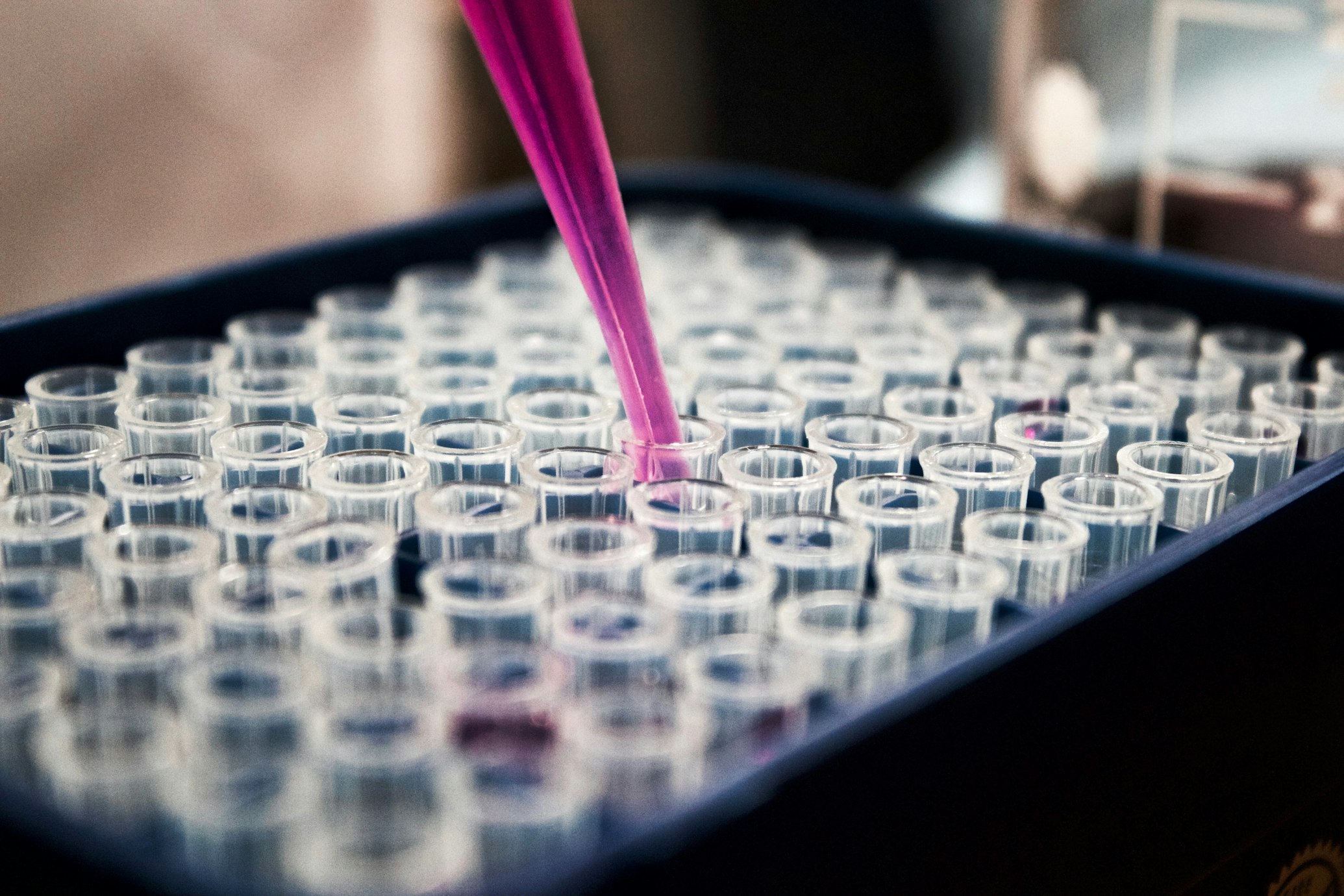
International scientific collaboration was key to advancing maize cytogenetics research.
This transnational exchange was particularly remarkable given the political and scientific boundaries it crossed. During the Cold War era, when international collaborations were often limited, Kato's work demonstrated how shared scientific goals could transcend geopolitical divisions. Mexican agricultural expertise, represented by Kato, contributed significantly to the development of cytogenetics as a specialized field within the broader context of the Green Revolution 2 .
The IMIP provided a platform for this exchange, but it was the personal relationships between scientists that truly fueled the research. Kato's willingness to share his extensive knowledge of Mexican maize diversity with international colleagues created a fertile ground for innovation. In return, he gained access to new methodologies and theoretical frameworks that enhanced his own research.
The Modern Legacy: From Chromosomal Knobs to Genomic Sequences
While molecular biology has largely superseded classical cytogenetics in contemporary research, Kato's work established foundational principles that continue to guide maize science today. Modern genomics has confirmed that the diversity Kato observed at the chromosomal level corresponds to significant genetic variation that can be exploited for crop improvement.
Ancient Hybridization Event
Recent research has revealed that all modern maize descends from a hybrid created just over 5,000 years ago in central Mexico, thousands of years after the plant was first domesticated 6 .
Genomic Contribution
This hybrid between domesticated maize and highland teosinte contributed approximately 20% of the genome of all maize worldwide.
The chromosomal knobs that Kato studied so meticulously are now understood to be regions rich in repetitive DNA sequences that can influence gene expression and chromosome behavior 1 . Modern cytogenetic projects, such as those led by researchers at Florida State University, continue to build on Kato's foundation by using fluorescence in situ hybridization (FISH) to map specific DNA sequences to chromosomal locations 4 .
Research Toolkit for Maize Cytogenetics (Then and Now)
| Research Tool | Traditional Use in Kato's Time | Modern Application | Function |
|---|---|---|---|
| Microscopy | Visualizing chromosomal knobs with basic stains | High-resolution fluorescence microscopy | Chromosome visualization |
| Staining Techniques | Acetocarmine and Feulgen stains | Fluorescent chromosome-specific paints | Chromosome identification |
| Genetic Crosses | Studying inheritance of knob patterns | Creating mapping populations for gene discovery | Trait inheritance studies |
| Karyotyping | Physical mapping of knob positions | Sorghum BACs as FISH probes for integrative mapping | Genome structure analysis |
Kato's leadership ensured that classical cytogenetics remained relevant even as molecular approaches gained prominence 2 . Today, scientists recognize that understanding maize chromosome structure is crucial for genome assembly and for developing strategies to improve crop resilience in the face of climate change.
Conclusion: A Living Legacy
Takeo Ángel Kato Yamakake passed away in 2019, but his contributions to maize science continue to bear fruit. His meticulous documentation of chromosomal diversity created a baseline for understanding how maize evolution unfolded across Mexico. The transnational collaborations he fostered established a precedent for scientific exchange that continues to address global food security challenges.
In 2011, Kato was honored as one of the "Pillars of Maize Science" at an international convention, recognizing his lifetime of contributions to understanding maize diversity 8 . This tribute placed him alongside other luminaries in the field, acknowledging how his work helped illuminate the mysterious journey of maize from wild grass to global staple.
"Maize's domestication over 9,000 years from teosinte to a productive food crop is an incredible story," noted Kato's colleague Suketoshi Taba. "These scientists have helped bring it to light, as well as defining the diversity that will give maize farmers new traits to meet the challenges of food scarcity and climate change" 8 .
As we face 21st-century challenges like climate change and population growth, the genetic diversity that Kato helped catalog and understand may hold keys to developing more resilient maize varieties. His career stands as a testament to how curiosity about fundamental biological questions—like the patterns of chromosomal knobs—can yield insights with profound practical applications for humanity's future.

Through his work, Takeo Kato Yamakake ensured that Mexico's maize diversity would be understood, appreciated, and conserved for generations to come.