BioMEMS: The Microscopic Machines Revolutionizing Medicine
How Biological Micro-Electro-Mechanical Systems are transforming diagnostics, treatment, and personalized medicine through microscopic technology.
The Invisible Revolution in Medicine
Imagine a world where a life-threatening condition like sepsis can be diagnosed in minutes rather than days, where doctors can deliver potent cancer drugs exclusively to tumor cells without damaging healthy tissue, and where your entire laboratory workup could happen on a device the size of a postage stamp. This isn't science fiction—it's the reality being crafted today in laboratories and medical facilities worldwide through the power of Biological Micro-Electro-Mechanical Systems (BioMEMS).
For sepsis diagnosis vs. days
Smaller sample volumes
Simultaneous tests on one chip
These microscopic machines, so tiny that dozens could fit on the period at the end of this sentence, are fundamentally reshaping how we diagnose, monitor, and treat disease. The fusion of biology with microtechnology represents one of the most promising frontiers in modern medicine 8 . By engineering devices and systems at the microscopic scale that biological cells and molecules naturally inhabit, scientists have unlocked unprecedented precision in medical interventions.
"BioMEMS technology is making medical care faster, more precise, and less invasive, transforming how we approach healthcare challenges."
What Are BioMEMS? The Microscopic Machines in Medicine
BioMEMS are specialized micro-electro-mechanical systems tailored for biological and medical applications 8 . Essentially, they're microscopic devices and machines that integrate mechanical elements, sensors, actuators, and electronics on a silicon chip or other substrates through sophisticated microfabrication techniques 2 .
Key Characteristics
- Interact with biological systems
- Measure proteins in blood samples
- Manipulate individual cells
- Deliver drugs to precise locations
Fabrication Process
Photolithography
Transferring patterns with light
Material Deposition
Building up thin material layers
Etching
Creating 3D features and channels
These techniques enable the creation of complex microfluidic channels, tiny reservoirs for drug storage, miniature sensors, and pumps—all essential components of functional BioMEMS 4 . The materials used range from traditional silicon to specialized polymers like PDMS (polydimethylsiloxane), chosen for their biocompatibility and optical properties 2 8 .
Revolutionizing Diagnostics: Laboratory on a Chip
One of the most impactful applications of BioMEMS lies in the realm of diagnostics, where they've enabled the development of lab-on-a-chip technology 8 . These remarkable devices shrink what would normally require an entire laboratory—with its bulky equipment, numerous reagents, and specialized technicians—onto a single chip no larger than a credit card.
Conventional vs. BioMEMS Sepsis Diagnosis
| Parameter | Conventional Lab Testing | BioMEMS Approach |
|---|---|---|
| Time to Result | 24-48 hours | Less than 15 minutes |
| Testing Location | Centralized laboratory | Point-of-care |
| Sample Volume | Milliliters | Nanoliters (1000x smaller) |
| Simultaneous Tests | Limited | Up to 250 targets |
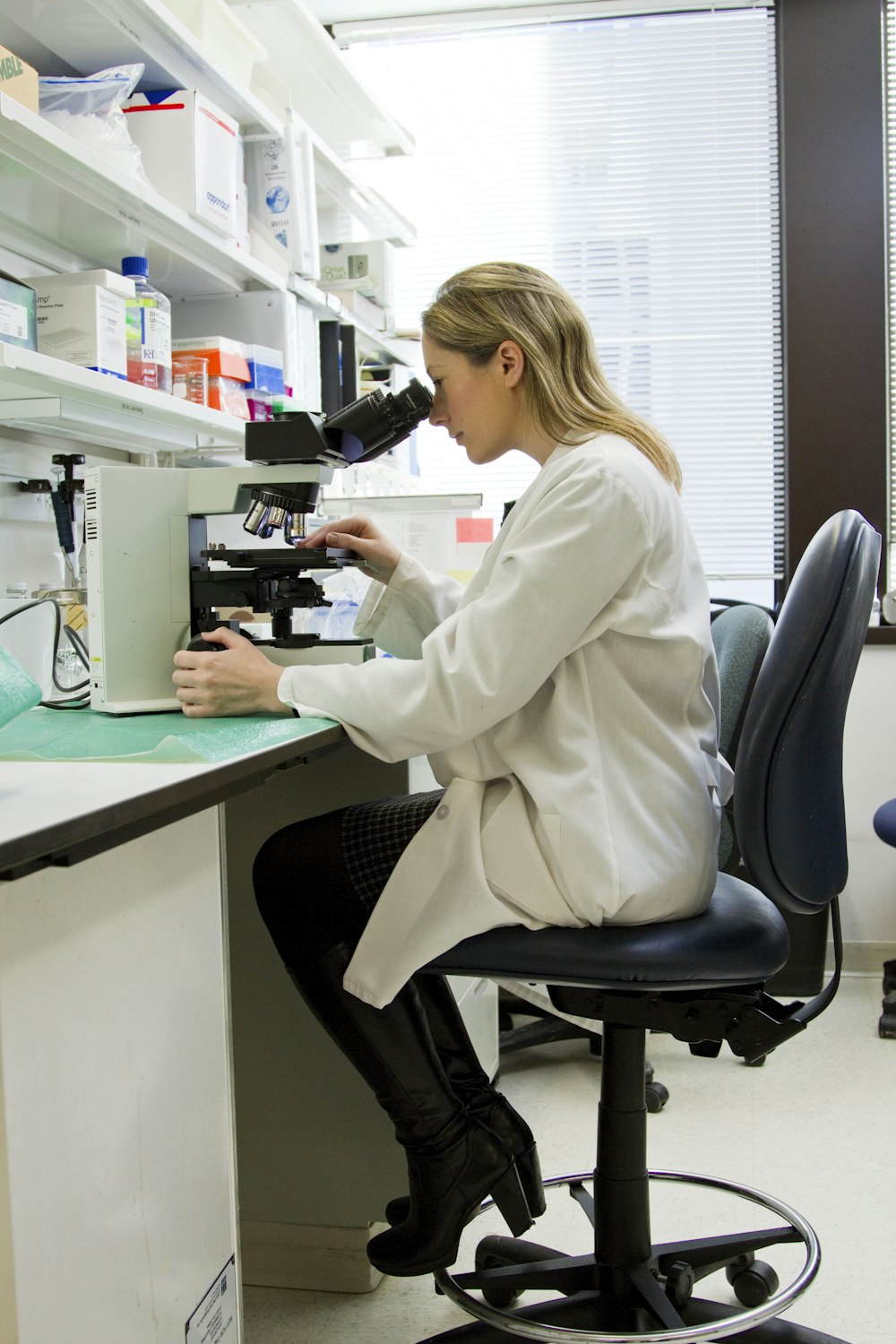
Lab-on-a-Chip Technology
Miniaturized devices that perform multiple laboratory functions on a single chip.
The Bosch Vivalytic diagnostic platform exemplifies this transformative potential 6 . This portable system uses a disposable cartridge containing a sophisticated BioMEMS chip to identify pathogens causing conditions like sepsis—a life-threatening response to infection that requires immediate, targeted treatment.
A Closer Look: The BioMEMS Sepsis Diagnostic Experiment
To truly appreciate the engineering marvel of BioMEMS, let's examine the development of the sepsis diagnostic chip created by researchers at Bosch, which represents a perfect case study in how interdisciplinary collaboration is driving this field forward 6 .
Methodology: The Step-by-Step Development
Chip Design
250 microscopic reaction chambers
Surface Engineering
Modified wetting properties
Reagent Preloading
Precise placement in chambers
PCR Amplification
Parallel genetic testing
Performance Metrics of the BioMEMS Sepsis Diagnostic System
| Performance Metric | Result | Clinical Significance |
|---|---|---|
| Diagnostic Accuracy | High sensitivity and specificity | Reduces misdiagnosis and enables targeted therapy |
| Analysis Time | <15 minutes for comprehensive panel | Enables critical treatment decisions during the same clinical encounter |
| Multiplexing Capability | 25 genetic targets simultaneously | Comprehensive identification without additional testing |
| Sample Requirement | Nanoliter volumes | Minimally invasive sampling |
The success of this system hinged on solving a fundamental challenge of miniaturization: at microscopic scales, surface forces dominate over volume forces, causing fluids to behave differently than in conventional laboratory tubes and plates 6 .
The Scientist's Toolkit: Building Medical Miracles at Microscale
Creating these microscopic medical devices requires specialized materials, fabrication techniques, and instrumentation. The field draws from both conventional semiconductor manufacturing and innovative approaches tailored for biological applications.
Essential Materials in BioMEMS Development
Polydimethylsiloxane (PDMS)
Primary material for microfluidic devices
Silicon
Traditional substrate for microfabrication
Photoresist
Light-sensitive material for patterning
Parylene
Biocompatible polymer for coatings
Fabrication Methods & Applications
Standard Lithography
High precision for features down to 5µm
Silicon-based sensorsSoft Lithography
Lower cost and equipment requirements
Microfluidic devicesHot Embossing
High-throughput replication
Disposable chipsLaser Cutting
Direct patterning without masks
Custom designsThe Future of BioMEMS: From Science Fiction to Medical Reality
As impressive as current BioMEMS technologies are, the field continues to evolve at an accelerating pace, driven by advances in materials science, artificial intelligence, and our understanding of biology.
Intelligent Drug Delivery
Closed-loop systems that monitor conditions and automatically adjust drug release 4 .
TherapeuticsNeural Interfaces
Miniaturized cortical probes for neuroscience and neuroprosthetics .
ResearchPersonalized Medicine
Custom solutions tailored to individual patient needs and metabolism.
DiagnosticsMarket Growth Projection
The global BioMEMS and microsystem healthcare market is expected to grow from $10.2 billion in 2023 to $30.4 billion by 2033, demonstrating a compound annual growth rate of 12.24% 7 .
This significant growth demonstrates both the commercial viability and expanding applications of BioMEMS technologies across the healthcare landscape.
Conclusion: The Macro-Impact of Micro-Machines
BioMEMS represent a fundamental shift in how we approach medical challenges—not by building bigger machines, but by engineering smarter, more precise solutions at the scale where biology actually operates. From diagnosing deadly infections in minutes rather than days to delivering life-saving drugs with unprecedented precision, these microscopic machines are already making a macroscopic impact on human health and medical practice.
The development of the Bosch sepsis diagnostic chip illustrates a broader truth about this field: the most significant breakthroughs often come from multidisciplinary teams that bring together expertise from engineering, biology, chemistry, and medicine 6 . As we look to the future of BioMEMS, the greatest progress will likely come from continuing to break down traditional boundaries between disciplines.
Key Points
- BioMEMS integrate biology with microtechnology
- Enable lab-on-a-chip diagnostics
- Revolutionize sepsis diagnosis and treatment
- Use specialized materials like PDMS and silicon
- Driving personalized medicine advances
BioMEMS Applications
Diagnostics
Rapid, portable testing for various conditions
Drug Delivery
Precise, targeted therapeutic administration
Surgery & Implants
Minimally invasive tools and smart implants
BioMEMS Development
Early Research
Initial development of microfluidic systems
Lab-on-a-Chip
Miniaturization of laboratory processes
Point-of-Care Diagnostics
Portable devices for rapid testing
Personalized Medicine
Tailored treatments and diagnostics