An Accidental Discovery: How an Anti-Rejection Drug Could Rewire Our Nerves

Scientists have found that a drug meant to suppress the immune system appears to hold a surprising power to command nerve cells to grow, offering new hope for treating nerve damage.

Neuroscience Drug Discovery Regenerative Medicine

Introduction: The Body's Wiring and the Challenge of Repair

Our brain and nervous system are a complex network of wires, much like the electrical grid of a vast, sophisticated city. These "wires" are nerve cells (neurons) that send signals through long, branching arms called neurites. When these connections are damaged by injury or degenerative diseases like Alzheimer's or Parkinson's, the city can go dark. The body's natural ability to repair this wiring is, unfortunately, very limited.

Did You Know?

For decades, scientists have known about a powerful natural protein called Nerve Growth Factor (NGF). Think of NGF as a master electrician, instructing neurons to grow and extend their neurites. But using NGF as a medicine is tricky; it's unstable and can cause side effects.

Researchers have been searching for alternative ways to trigger this crucial growth process. In a fascinating twist, they found a candidate in an unlikely place: an immunosuppressant drug known as FK506.

Neurites

The long, branching extensions of nerve cells that transmit electrical and chemical signals throughout the nervous system.

FK506

A potent immunosuppressant drug used to prevent organ transplant rejection, with a newly discovered ability to promote nerve growth.

The Main Players: Cells, Drugs, and Pathways

To understand this discovery, let's meet the key characters in our story.

PC12 Cells

These are a workhorse cell line derived from a rat adrenal tumor. Crucially, when you add NGF to these cells, they stop dividing and start behaving like mature neurons, sprouting long, branching neurites. They are the perfect model for studying nerve growth in a lab dish.

FK506 (Tacrolimus)

This is a potent drug widely used to prevent organ transplant rejection. It works by dampening the immune system. Its known mechanism was thought to be entirely separate from nerve growth.

MAP Kinase Pathway

This is a critical chain of molecular signals inside a cell—a sort of corporate chain of command. When a growth signal (like NGF) arrives at the cell surface, it triggers a cascade of proteins that ultimately deliver the "start growing!" message to the nucleus.

The Plot Twist: A Mutant Cell That Changed the Game

The real breakthrough came when researchers used a special mutant PC12 cell. These mutant cells had a crucial defect: they were completely unresponsive to NGF. No matter how much NGF was added, they would not grow neurites. It was as if their "NGF receiver" was broken.

This is where the experiment gets brilliant. Scientists used these "broken" cells to test if FK506 could work through a different channel.
In-Depth Look: The Crucial Experiment

Could FK506 force these stubborn mutant cells to grow, bypassing the broken NGF system entirely?

Methodology: A Step-by-Step Guide

The researchers designed a clean, logical experiment:

Step 1: Cell Preparation

The NGF-insensitive mutant PC12 cells were grown in standard lab dishes.

Step 2: Treatment Groups

The cells were divided into different groups and treated with:

  • Group A: A standard culture medium (the control group).
  • Group B: A solution containing NGF.
  • Group C: A solution containing FK506.
  • Group D: A solution containing both FK506 and a specific inhibitor of the MAP Kinase pathway.
Step 3: Incubation and Observation

The cells were left for several days, after which they were examined under a microscope. The number of cells that had grown significant neurites was carefully counted and analyzed.

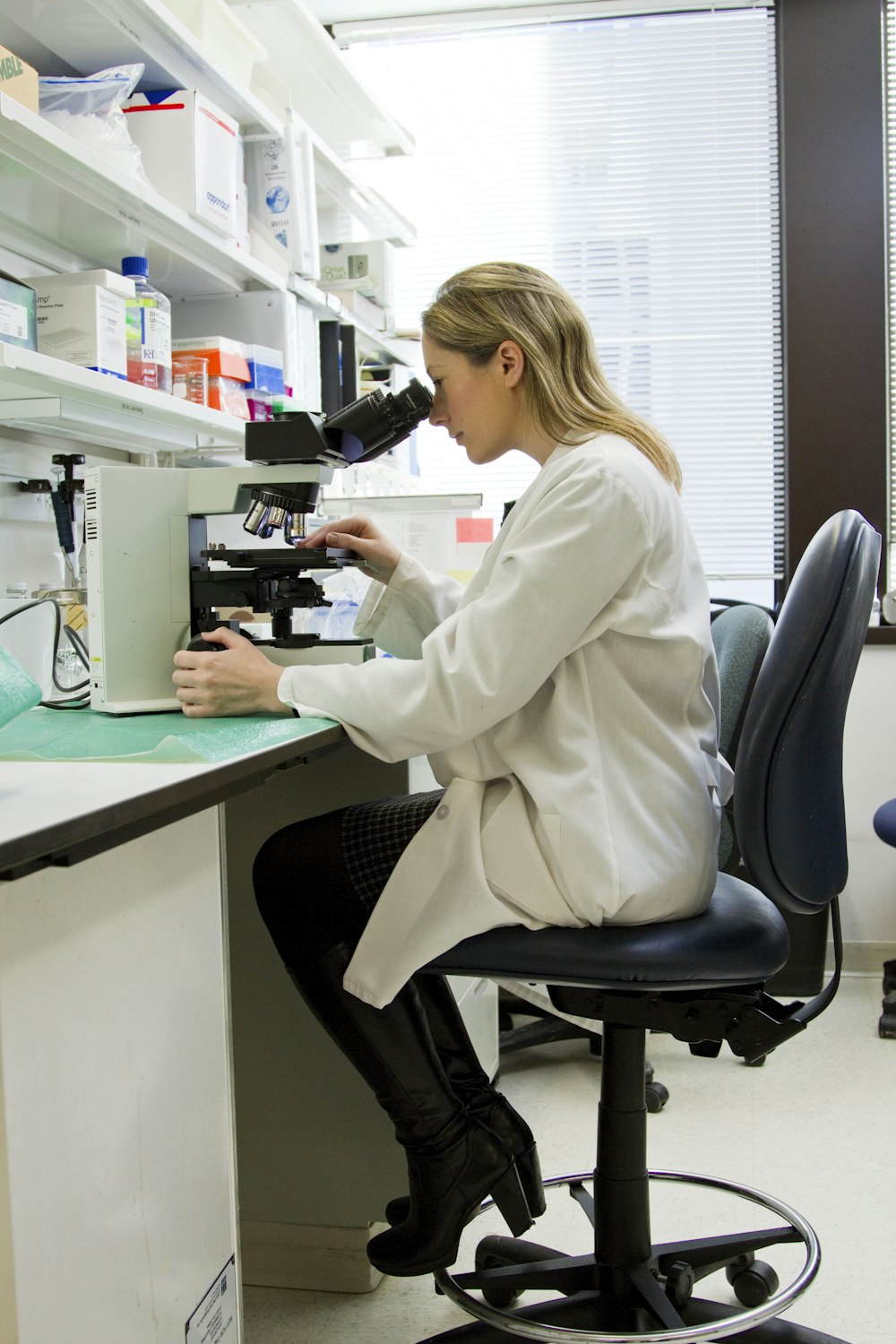
Scientific experiment in laboratory

Laboratory research is crucial for understanding cellular mechanisms. Image: Unsplash

Results and Analysis: A New Pathway is Born

The results were clear and striking, revealing FK506's ability to induce neurite growth through a novel pathway.

Neurite Outgrowth in Mutant PC12 Cells
Comparison of Growth Mechanisms

Key Experimental Findings

Treatment Group % of Cells with Neurites Significance
Control (No Additions) < 5% Baseline, no growth
NGF Only < 5% Confirms NGF resistance
FK506 Only ~45% FK506 induces robust growth
FK506 + MAPK Inhibitor ~8% Growth depends on MAPK pathway
Scientific Importance

This was a landmark finding. It proved that:

  1. FK506 can directly induce neurite outgrowth.
  2. It does so without needing the standard NGF receptor.
  3. Its effect depends on a novel, alternative MAP Kinase signaling pathway, as blocking this pathway stopped the growth.
Research Toolkit

This groundbreaking research relied on several key tools:

  • PC12 Cell Line: Standardized cellular model
  • NGF-Insensitive Mutant PC12 Cells: Crucial variant for isolating the novel pathway
  • FK506 (Tacrolimus): The drug being tested
  • MAP Kinase Pathway Inhibitor: To block MAPK activity
  • Cell Culture Medium: Nutrient-rich broth for cell growth

Conclusion: Rerouting the Signals for Future Therapies

The discovery that FK506 can trigger nerve growth through a novel pathway is more than a laboratory curiosity; it's a paradigm shift. It reveals the incredible plasticity of cellular signaling networks and shows that existing drugs can have hidden, therapeutic talents.

Neural network visualization

Future Directions

This research opens up an exciting new avenue for treating neurological damage. By understanding and potentially improving upon this novel MAP Kinase pathway, scientists could design new drugs that mimic FK506's nerve-growing ability without its immunosuppressant side effects.

The Right Key

The key that was meant for one lock has shown it can open another, potentially helping us rewire the broken circuits of the human nervous system and bring the light back to a darkened city.

References